K-pop drives tourism surge in South Korea as Airbnb intends to solve supply shortages.
Airbnb Aims to Scale K-pop, K-Culture Tourism Boom
Airbnb capitalizes on South Korea's concert boom via K-pop stays and increased lodgings, but policy hurdles and supply shortages threaten to cap the country’s expected tourism surge.

- K-culture is driving tourism at scale, with a survey revealing that 94% of travelers are influenced by it.
- Additionally, Gen Z is transforming fandom into travel demand, with K-pop and allied experiences surpassing the demand for usual sightseeing.
- Infrastructure and regulatory gaps are restricting growth, making most tourists stay within city areas like Seoul, despite a strong interest to explore areas outside the cityscape.
As K-pop and K-drama popularize outside South Korea, one thing is evident: the country’s greatest export is its culture, now further bolstered by digital media platforms. This virtual influence is also helping close the huge tangible gap by bringing in travelers across borders at a rapid scale.
As per a new Airbnb report, Korea Calling: How K-Culture is Driving a New Generation of Travelers into Korea, the screen-to-street channel is not a niche trend anymore but is a major driver of the nation’s tourism. The report, which studied 4,500 travelers across nine countries, disclosed that 94% of survey takers were affected by K-culture, while a remarkable 75% identified it as a major reason for their trip.
Gen Z Turns K-Content into Travel Demand
Notably, the rapid consumption is happening due to Gen Z. For these Gen Z travelers, the pilgrimage is specifically related to K-entertainment. For instance, 36% of such respondents said that K-pop is their primary motivator, with 35% emphasizing broader entertainment-associated experiences over usual sightseeing.
During a press conference in eastern Seoul on Tuesday (April 28, 2026), Sharon Chan, Airbnb’s Asia Pacific chief, noted the globalization of K-culture. According to Korea JoongAng Daily, she stated, “I’ve seen how Korean culture has just grasped the world.” Chan, a Netflix veteran, also noted how the platform (Airbnb) is shifting towards this “viral interest” into a real, immersive experience. “K-pop is really taking over...so now at Airbnb, we're seeing how this really drives travel demand,” Chan added further.

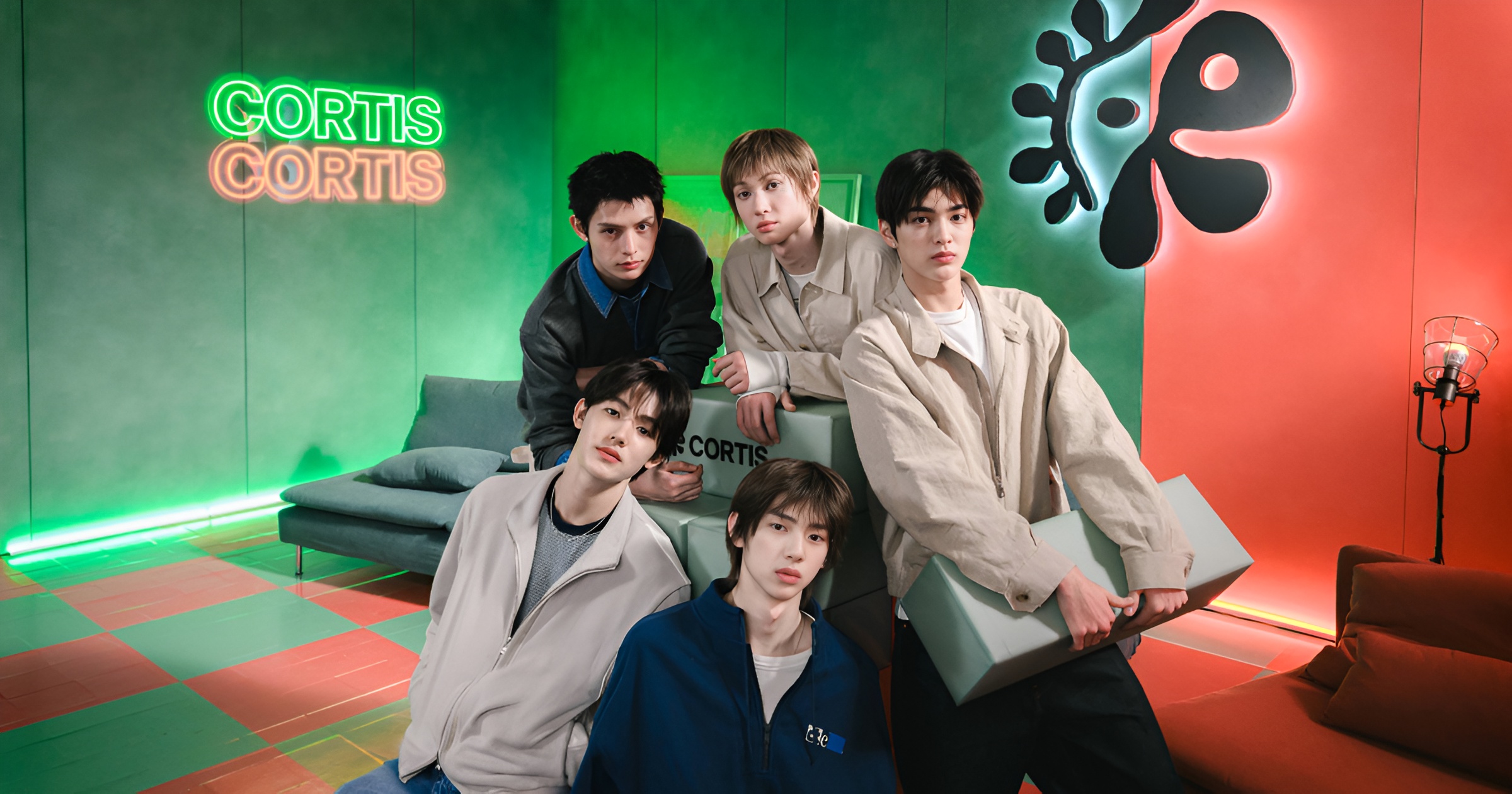
Cortis’ Seoul Hideout: Airbnb (Image Credit: Airbnb Newsroom)
The most recent application of this strategy can be seen at Cortis’ Seoul Hideout, a collaborative effort between Airbnb and the HYBE boy band Cortis in the Seongdong District. The initiative was created to celebrate their track RedRed from their upcoming EP GreenGreen. The space will offer fans UV clue-finding missions and mail-room bingo, whereas a pop-up event is expected to see 1,000 visitors through May 7. Notably, 30 guests will be selected to play games with the band, with the single winning team able to experience an overnight stay in the curated space.
Airbnb Converts Fandom Into Immersive Stays
Airbnb has also been working actively in other initiatives like culture-based immersive content, which earlier transformed iconic landmarks into accommodations. Additionally, it also grew fandom-driven travel through concert-linked programs.“At Airbnb, our role is clear,” said Airbnb Korea country manager Seo Ga-yeon. “We help ensure that global fans' curiosity doesn't remain a fleeting interest, but turns into a meaningful travel experience.”
However, significant bottlenecks still exist, threatening the government’s aim of bringing 30 million inbound tourists. The Airbnb report cited by the Korea JoongAng Daily notes 91% of travelers demand "authentic" local culture, and seek to move beyond the usual way of traveling. Nevertheless, they are largely confined to the capital. Additional data from the Airbnb report show that 74% of visitors are interested in exploring regions outside Seoul, but most of the tourists (66%) end up staying within the limits of the city.

Cortis’ Seoul Hideout: Airbnb (Image Credit: Airbnb Newsroom)
The main barrier is infrastructure. Sharon Chan noted that 83% of interested travelers won't go into the areas where there is no suitable lodging. On the other hand, Chae Bo-young, head of the Korea Guesthouse Association, highlighted “regulatory hurdles” that stifle expansion. South Korea has strict residency requirements for operators as well as mandatory resident consent.
As Airbnb Korea country manager Seo Ga-yeon said, the goal is to guarantee providing seamless accommodation facilities and prioritize K-culture even more. This reportedly will help South Korea become a sustainable, nationwide travel economy. And since the Ministry of Culture, Sports, and Tourism has also begun addressing the issue, industry observers and fans can expect better services. But for now, the demand is there, and the supply remains shackled by old policy chains.
Author
Diya Mukherjee is a Content Writer at Outlook Respawn with a postgraduate background in media. She has a passion for writing content and is enthusiastic about exploring cultures, literature, global affairs, and pop culture.




Related Articles