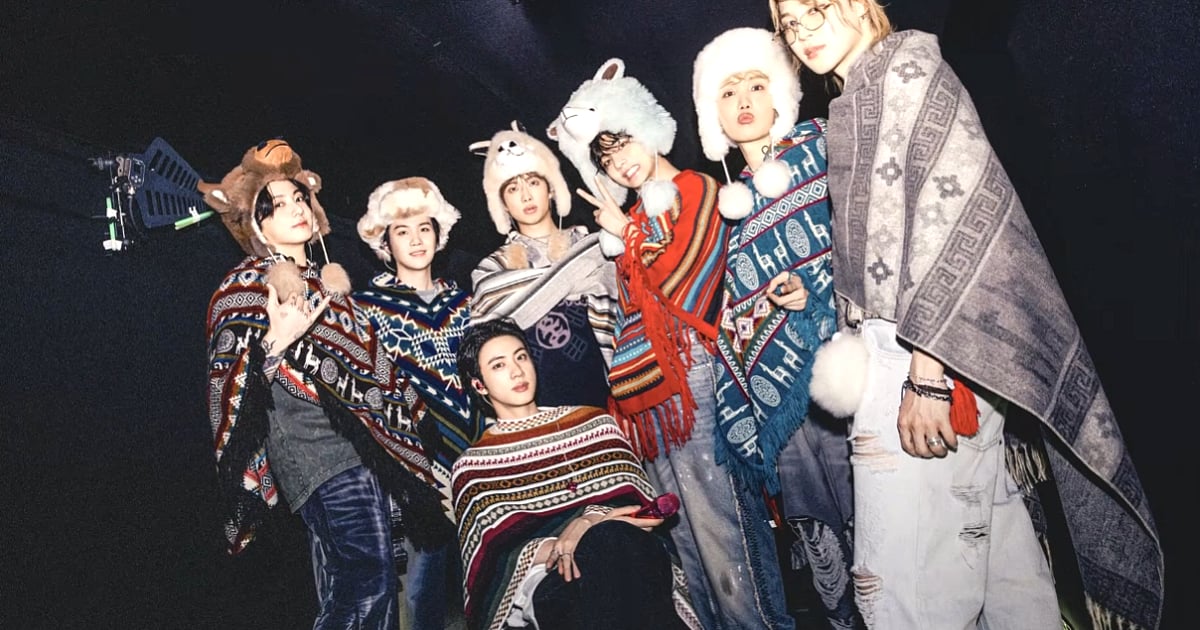





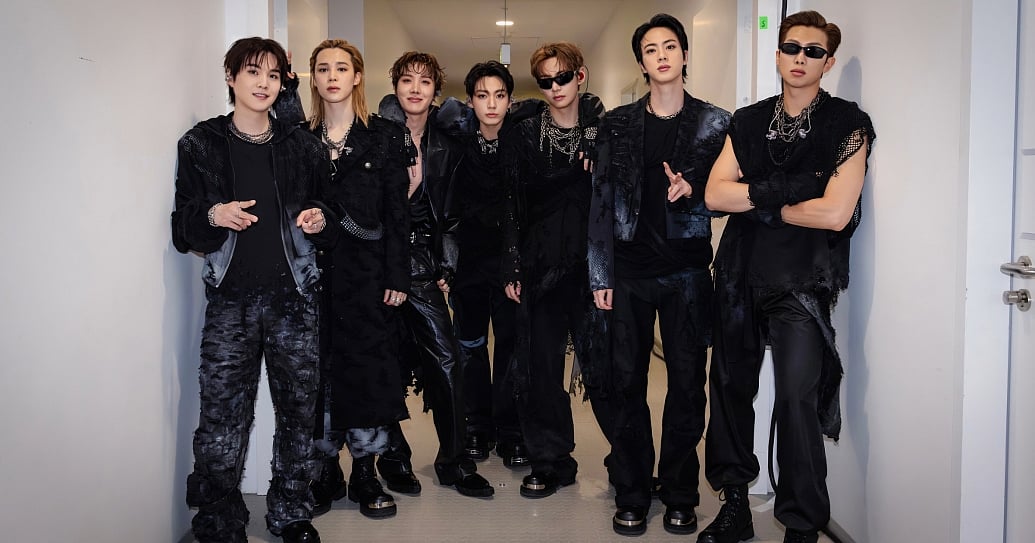
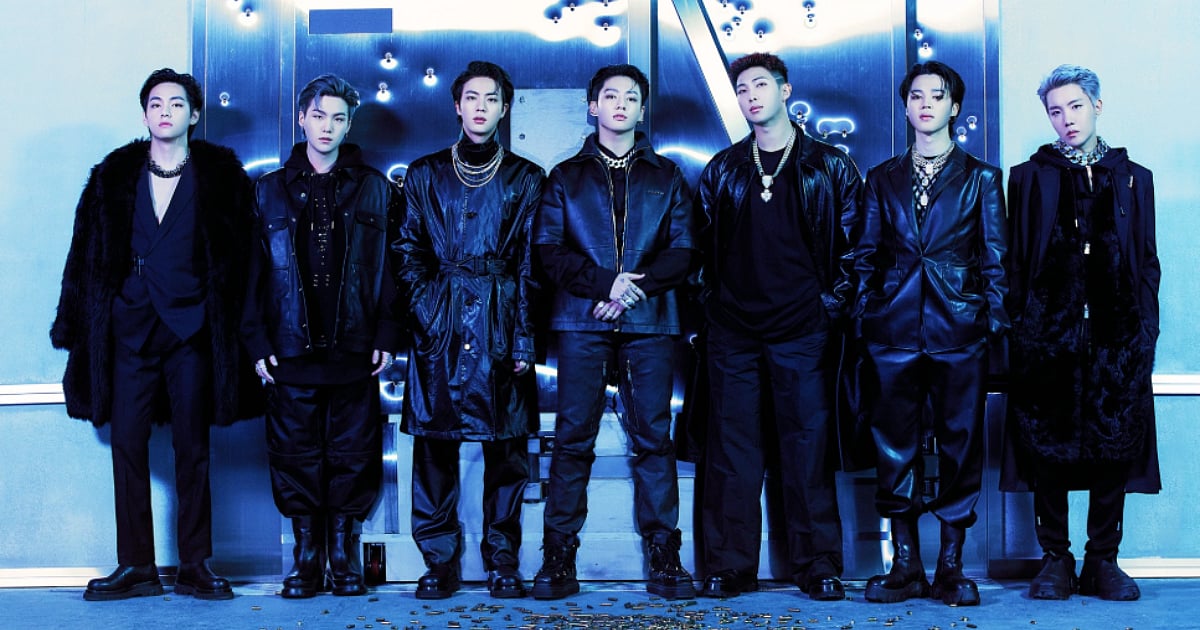
Global icons BTS are all set to headline the historic 2026 FIFA World Cup Final Halftime Show.
FIFA x BTS: The New Chapter of Global Entertainment Economy
The FIFA-BTS collaboration marks a new chapter for global entertainment. The move shows how new opportunities are being created across sports, entertainment, and related global markets.

Highlights
- BTS’ FIFA World Cup Final appearance signals how football, streaming, and fandom together can create a new global entertainment economy, converting live sports into cultural mega-events.
- The collaboration provides FIFA direct access to a young, multicultural, streaming-first audience by linking football’s strongest fan markets with BTS’ worldwide K-pop ecosystem.
- The partnership shows how the growing commercial power of borderless fandom creates global cultural influence, amplifying growth.
BTS’s appearance at the FIFA World Cup Final is more than a high-profile headline set. The upcoming performance marks the merger of sports, music, and digital fandom into a single commercial ecosystem.
Four years after Jungkook’s solo act at the 2022 World Cup in Qatar, the full group is returning amidst their Arirang world tour, thus signaling the evolution of live sports into cultural mega-events where the entertainment value extends far beyond the grounds.
By staging K-pop’s powerhouse act, FIFA is actively targeting a young, multicultural, streaming-first demographic. The partnership successfully links football’s usual strongholds with a hyper-engaged global fandom, thereby unlocking new revenue streams across sponsorships, tourism, and long-term intellectual property.
FIFA Is No Longer Selling Only Football
The FIFA World Cup has always been one of the largest sporting events in the world. Its market power progressively comes from its ability to act as a global cultural platform, competing for global attention alongside events such as the Olympics, the Super Bowl, and global music festivals.
The value is no longer restricted to television audiences today. It has extended to fan engagement, digital consumption, tourism, and brand partnerships. This transformation is driven by shifting audience behavior.
Younger consumers increasingly discover culture online, usually via social media or streaming platforms instead of traditional media channels. And for FIFA, tapping into these audiences now needs more than just football. It requires cultural relevance. That is where BTS enters the equation.
Why BTS Fits FIFA’s Global Audience Strategy
BTS is one of the strongest examples of a borderless digital fandom. The group’s audience has consistently translated online engagement into measurable economic activity. The numbers related to BTS' album sales, streaming, concerts, merchandise, and tourism all reflect the same.
The group’s fanbase also aligns with the audiences FIFA increasingly wants to reach: younger, multicultural, and highly connected consumers. This overlap is especially showcased amongst what Nielsen regards as Asian American, Native Hawaiian, and Pacific Islander (AANHPI) audiences, one of the most streaming-focused demographics in the United States.
The report also revealed that people in the AANHPI community spend 61% of their TV watching time on ad-supported streaming services, topping both broadcast and cable consumption altogether. In addition, 45% of AANHPI viewers report that they have never subscribed to cable.
For brands and global organizations, such audiences are pretty difficult to reach through traditional media channels. And live sports offer one of the few remaining opportunities to capture large-scale, mass attention, with entertainment acts like BTS providing the cultural connection needed to translate that attention into deeper engagement.
Football and K-pop Already Share the Same Global Consumer
The FIFA-BTS collab works since football and K-pop are not reaching completely separate audiences. The Hispanic community has acted as a common thread between these two global entities.
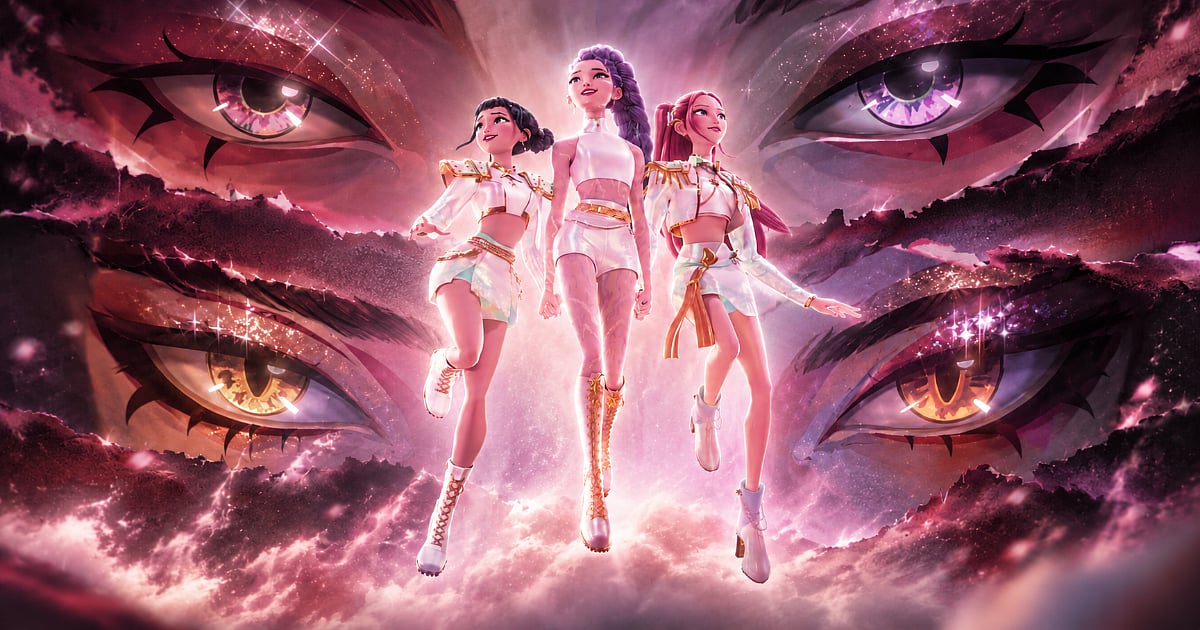
As documented by Nielsen, Hispanic viewers represent 40% of football viewership in the United States, thereby making them the sport’s largest multicultural audience. At the same time, they are also becoming major consumers of Korean entertainment. Notably, the Netflix hit KPop Demon Hunters, for example, has topped at No.1 amongst Hispanic streaming audiences, logging 20.5B minutes of viewership in total, while also spending 26 consecutive weeks on Nielsen’s Streaming Top 10.
Notably, the Hispanic community also has a stronghold in Latin America, which is regarded as one of the best emerging markets for K-pop. During BTS’ ARIRANG album debut week, Hispanic countries of Latin America like Mexico generated 75.9M streams, surpassing South Korea’s 58.3M streams. The region also holds deep love for football, making the BTS x FIFA collab even more significant.
Notably, the above stated digital engagement has also been converted into physical demand. BTS’ Mexico City concerts for their ARIRANG world tour, attracted nearly 150,000 ticketed fans across three sold-out shows, generating more than $107M USD, proving that the act can lead large-scale economic activity.
The cultural influence has also reached official institutions. Mexico recognized BTS members as Distinguished Visitors, while Argentina’s La Plata City Council named the group Guests of Honor ahead of their tour. Additionally, Nielsen reveals that AANHPI audiences have always regarded football as a top sport. Several countries like India, Singapore, Indonesia, South Korea, Japan, and Thailand rank football amongst their Top 1 or Top 2 sports. These countries are also top markets for BTS and wider K-pop, justifying FIFA’s decision to include the septet in their entertainment lineup.
The success of Korean cultural exports among these audiences proves that global fandom is no longer limited by language or geography. Plus, it also depicts that consumers are increasingly moving between cultural categories, following football, music, television, and digital communities all at the same time.
As for FIFA, bringing BTS to the World Cup Final is less about introducing the group to a fresh set of audience than linking two highly engaged fandoms that already share mirroring cultural and digital behaviors. Nielsen found that 76% of football fans are more likely to connect with a fandom that embraces or reflects their identity, emphasizing why partnerships built around shared fan communities resonate in a better manner than traditional celebrity endorsements. In this context, BTS functions as a global entertainment brand whose cultural identity defines FIFA's effort to intensify engagement with younger, fandom-driven audiences.
How the World Cup Amplified BTS’ Growth?
The industry instantly validated BTS’ involvement. Notably, the group’s parent-label HYBE’s shares surged 7.2% upon announcement of the collaboration, adding $470M USD in market value in just one day. By capitalizing on the World Cup Final to funnel hundreds of millions of new consumers into this high-trust pipeline, the partnership serves as a huge global revenue catalyst.
The FIFA appearance is also expected to boost interest in BTS' ongoing ARIRANG world tour, which spans more than 80 shows around the world. The tour has already driven a 190% surge in merchandise sales, with the Korea Culture & Tourism Institute estimating that each BTS concert could generate between $800M and $920M in tourism-related economic impact, extending fan engagement into multiple sectors, apart from profit generated from the ticket sales.
The World Cup’s Evolution from Sporting Event to Global Entertainment Marketplace
The FIFA-BTS collaboration emphasizes how the future of major events will be shaped by the combination of sport, music, and digital communities. The World Cup has now grown from a cultural event to a thriving economic space where entertainment, advertising, and fan participation converge.
By including BTS in its lineup, FIFA is proving that audiences are no longer passive viewers. They are communities that stream, purchase, travel, create content, and influence global trends and other sectors like fan festivals, live music, gaming, and finance — a pattern that the FIFA month may also have potentially experienced.
The partnership also amplifies a shift in cultural power. A top-tier Korean-language act performing at football’s biggest stage showcases that global influence is no longer controlled by traditional Western entertainment centers. Rather, digitally connected fandoms now determine which cultural moments achieve worldwide significance.
To emphasize it better, other Korean artists such as KPop Demon Hunters-fame EJAE and BLACKPINK’s Lisa, also headlined opening shows of the footballing event. They also have a tremendous fan following which dominate digital ecosystems at a massive scale, acting as definitive proof that the axis of cultural influence has broadened.
What it ultimately says is that the future of global entertainment belongs to those entities that can convert cultural connection into economic value. FIFA and BTS are demonstrating what the upcoming days look like: a world where sports, music, and fandom no longer exist separately, but operate as a single global entertainment economy.

Author
Diya Mukherjee is a Content Writer at Outlook Respawn with a postgraduate background in media. She has a passion for writing content and is enthusiastic about exploring cultures, literature, global affairs, and pop culture.

Related Articles