South Korean fashion and K-pop retail brands establish a new physical presence in major Chinese cities.
South Korean Brands Move into China as Geopolitical Freeze Thaws
As political tensions with South Korea potentially ease, a new wave of consumer and cultural influence is starting to reshape opportunities across the Chinese market.

Highlights
- South Korean consumer giants are quietly returning to China after remaining largely closed for nearly a decade.
- Fashion and K-pop labels are betting actively on Chinese consumers, with expansion plans that hint at far bigger targets.
- The business revival is being further fueled by improving Beijing–Seoul tourism and cross-border travel.
The retail sector of China is silently realigning, as South Korean brands re-enter the market by establishing physical stores, capitalizing on the easing bilateral relations between the two countries. According to Nikkei Asia, Seoul’s biggest consumer brands are making this operational pivot almost 10 years after the 2016 geopolitical freeze caused by the deployment of a defensive US missile system by South Korea. Post the move, the world’s second largest economy started to restrict Korean television broadcasts and celebrity activities.
Apparel Brand Musinsa Accelerates China Store Expansion
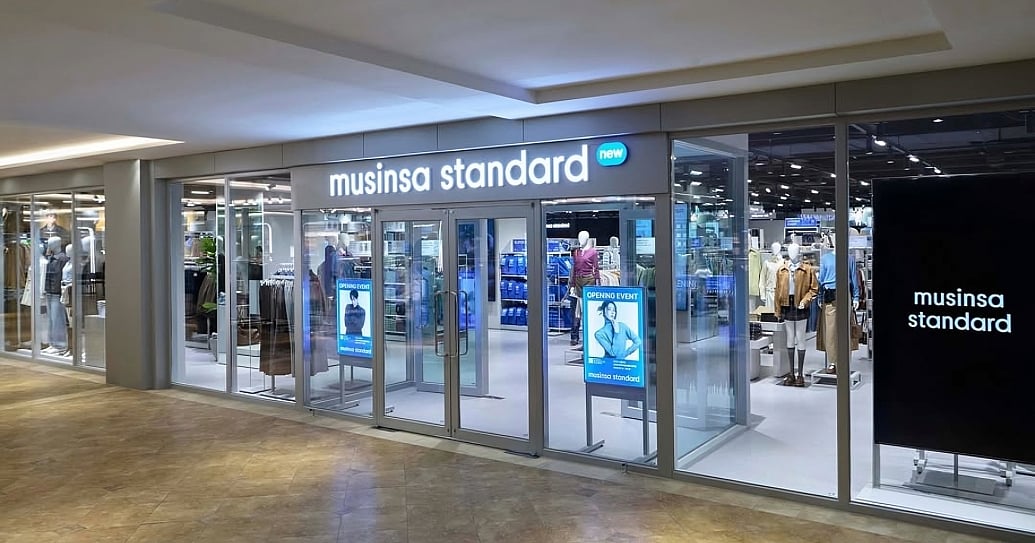
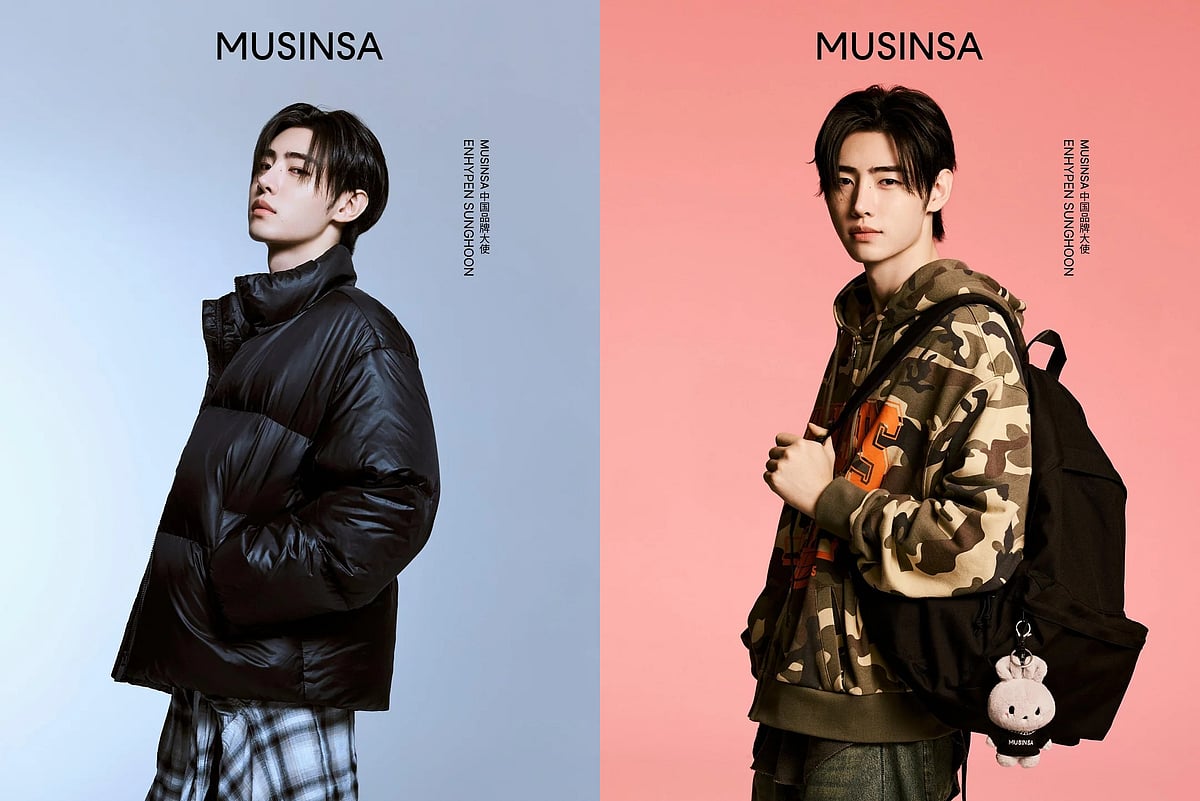
At the forefront of this market recalibration is Musinsa, the online fashion platform that entered mainland China in late 2025 via a 60-40 joint venture with Chinese sportswear giant Anta Sports. This led Musinsa to deploy a dual-format strategy where they utilize multi-brand curated stores alongside their private label, Musinsa Standard. The company aimed at the youth, who are usually budget-minded, with trendy basics like crop tops priced competitively against brands like Uniqlo (under Fast Retailing). Musinsa Standard is located in Shanghai and Hangzhou, and as per Nikkei Asia citing Chinese media reports, the company targets 100 stores by 2030, in a competition against Uniqlo's 900-store mainland network. Reportedly, ENHYPEN's Sunghoon is the brand's newest ambassador.
SM Entertainment Expands K-Pop Retail in China
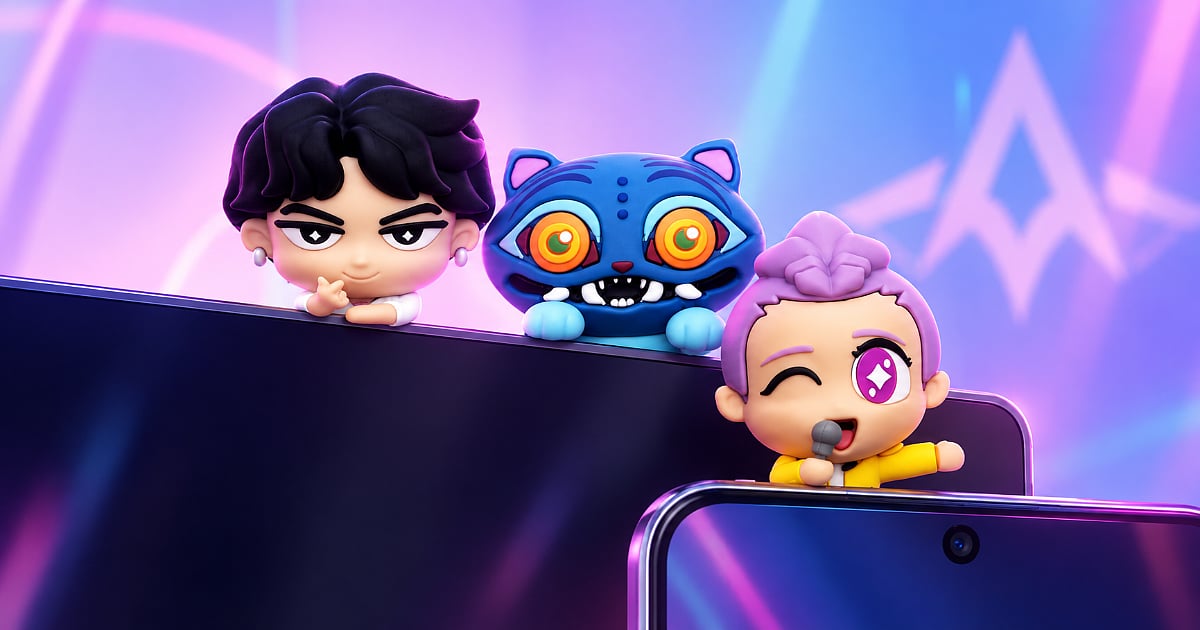
On the K-pop frontier, industry pioneer SM Entertainment, opened its inaugural mainland SMTown Store in Shanghai this April. The outlet retails merchandise for legacy acts like Toho Shinki and EXO, while also structurally trying to embed K-pop into the market. Interestingly, Chinese company Tencent had earlier secured a key stake in SM last year, anchoring the K-pop agency’s domestic commercial strategy. Although major full-scale stadium concerts remain a regulatory challenge in the country, China seemingly has cleared the route for localized K-pop merch sales and fan meet-and-greets.
China–South Korea Relations Fuel Business Revival Beginning with Tourism
This corporate momentum comes as South Korean President Lee Jae Myung met with Chinese President Xi Jinping in a January summit in Beijing. At the meeting, Lee spoke about the meeting as a “crucial opportunity to make 2026 the first year of fully restored relations between Korea and China.”
The travel sector is also responding to these shifting macroeconomic indicators in the best manner. Notably, airline-tracking data from Flight Master revealed that South Korea dominated the highest volume of international flights operated by Chinese carriers in Q1, 2026. For the sustenance of this commercial velocity, Seoul is now aggressively narrowing down its entry barriers. The capital city of the East Asian nation has been temporarily waiving visa requirements for specific traveling purposes while also relaxing wider visa requirements to unlock profits tied to the Chinese tourist traffic.

Author
Diya Mukherjee is a Content Writer at Outlook Respawn with a postgraduate background in media. She has a passion for writing content and is enthusiastic about exploring cultures, literature, global affairs, and pop culture.




Related Articles