




Highlights
- The gaming market is growing rapidly, and handheld consoles have become a key part of its success.
- India might be a viable market for handheld gaming consoles thanks to its massive size and affordable mobile data.
- Indian gamers are currently forced to acquire handhelds from gray markets because most are not officially available.
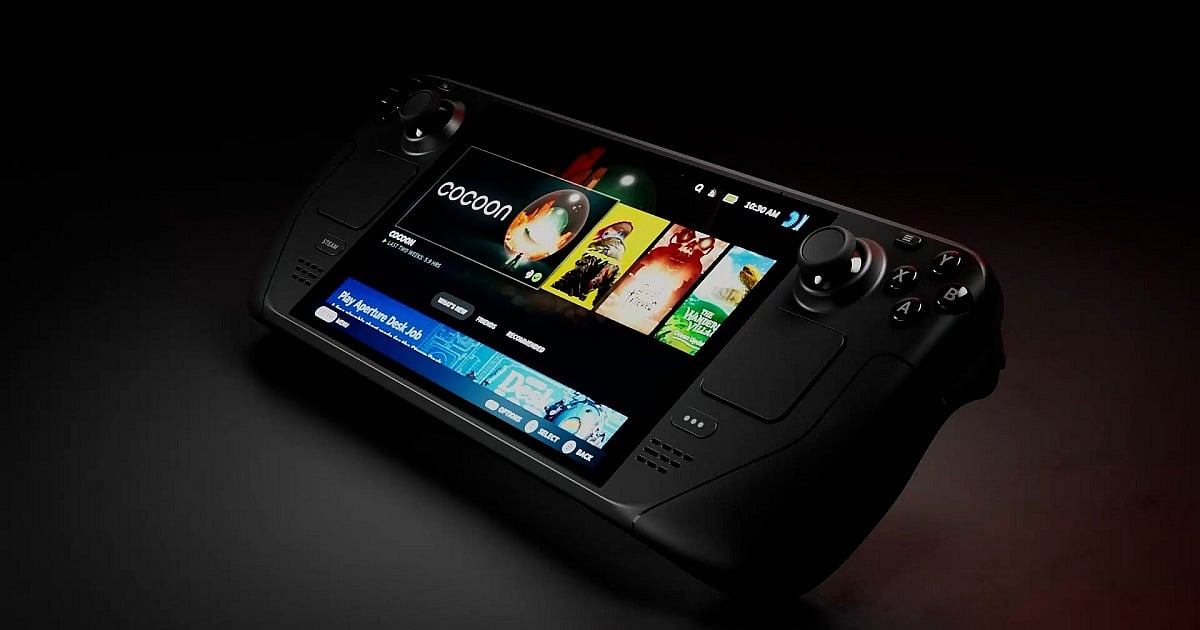
The handheld boom in the gaming market is real. Devices like the Nintendo Switch 2 and Steam Deck are performing well globally. They offer the perfect mix of portability and hardware power to run some of the best games the industry has to offer. For the Indian audience, these devices might be perfect for those who want to play on the move. For gamers who take long commutes to work or don’t want a big TV setup, a handheld makes perfect sense. Handheld gaming might gain ground in India as they solve some of the biggest problems that Indian gamers face.
The Indian Gaming Market is Perfectly Suitable for Handhelds
India has over 500M online gamers. Most of them started on mobile phones, laptops, or in gaming cafes. Now, many are moving to handhelds for a better experience. The country’s console market size was valued at just $182.66M in 2025, but 42.5% of the market is reportedly commanded by handheld consoles. The numbers paint an interesting picture as the two most popular consoles, the Nintendo Switch 2 and the Steam Deck, are not even officially available in the country.
Manufacturers like ROG and Lenovo have officially released their consoles in the country, but they are sometimes more expensive than Nintendo and Valve’s offerings. Gamers are forced to rely on the gray market for imported consoles with a warranty.
With the data showing that handheld consoles are currently dominating the country’s console market, many manufacturers might be missing out on sales. India has affordable 5G, and portable consoles also bypass the country’s unstable power supply problem. While many argue that handheld consoles cost almost as much as home consoles, gamers don’t need to purchase a TV or pay a yearly fee for the full experience. The devices work out of the box, and you can play almost any modern game on a handheld at reasonable frame rates.
Indian cities have heavy traffic and long commutes. Gamers across the country may spend two hours on a train each day. A handheld fits in a bag and turns that time into play time. Many people share living spaces with family. A loud TV or desktop setup disturbs others at home. Handhelds let you play quietly with headphones.
The Gaming Market is Perfect for Handhelds
The idea of building a gaming PC in 2026 is stressful for many gamers. A mid-range gaming PC can easily cost INR 80K to INR 100K due to how expensive components are amidst price surges. RAM and storage costs are reaching new highs, making a gaming PC a challenging purchase for many.
Import duties, currency fluctuations due to global conflicts, and retailer markups already make PC components more expensive locally, and the hardware shortage is only compounding the problems. Instead of assembling multiple components and dealing with fluctuating prices, users get a single device that works out of the box. While handheld consoles are also affected by the shortage, the problem is far less noticeable compared to custom PC building.
Handhelds might not be cheap, but they simplify the experience for gamers. Valve's and Nintendo’s offerings are cheaper than those of many manufacturers who officially sell consoles in India. Their aggressive pricing could give the two brands a genuine advantage in the country.
How Handhelds Can Go Mainstream in India
Handheld gaming cannot scale without taking some steps to adjust to the Indian market. The local market is price-sensitive, and manufacturers can consider localized pricing or EMI models. Offering EMI and financing options similar to how phone manufacturers sell their devices in India could be a smart step. First-time buyers and younger customers would be far more willing to purchase devices via installments instead of paying INR 40-50K upfront.
There is also a case to be made for more affordable handhelds that rely on cloud streaming. With Xbox officially making its Game Pass streaming services available in India and NVIDIA set to launch GeForce NOW in India, it is something manufacturers should consider. Aggressively priced devices like the Logitech G Cloud and Razer Edge could be viable alternatives to more expensive handhelds.
PC and laptop manufacturers like Lenovo and MSI are officially selling their handhelds in India, and other brands could follow suit. Handheld gaming in India is still an early-stage sector, and there is a clear opportunity for it to go mainstream if gaming companies play their cards right.