




Highlights
- Epic Games’ flagship returned to the Google Play Store on March 19, 2026, hitting 5.7 million downloads.
- The title topped charts in the US, Brazil, and Mexico, despite fierce global competition from Free Fire Max.
- Relaunch success was driven by a Game of Thrones event, despite a simultaneous V-Bucks price hike.
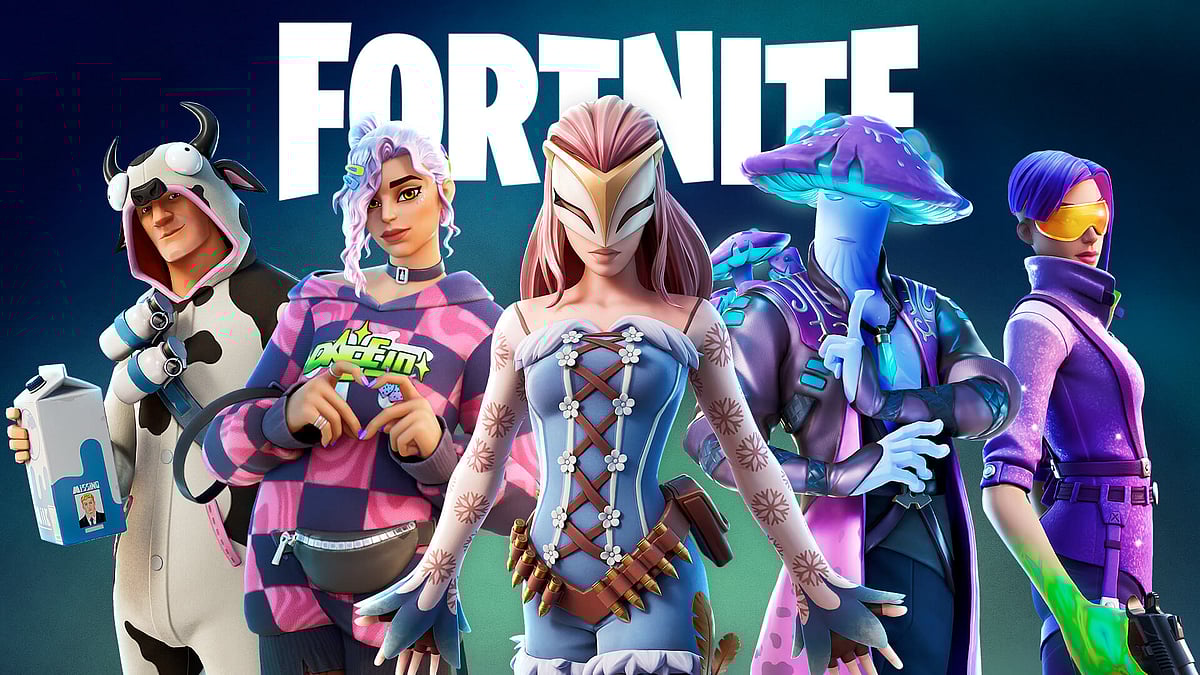
After a nearly six-year hiatus fueled by a messy legal battle, Epic Games’ powerhouse battle royale, Fortnite, has officially returned to the Google Play Store on March 19, 2026. Since then, it has racked up an estimated 5.7 million downloads. But despite this massive wave of new and returning players, grabbing the absolute top spot worldwide is proving to be a tough fight in today's highly competitive mobile market.
According to data from AppMagic, Fortnite hasn't managed to conquer the global downloads chart just yet. It broke into the top 10 on March 21, landing in third place, and bumped up to second place the very next day. However, rival shooter Free Fire Max: Lost Treasure ultimately kept Fortnite from wearing the global crown, pushing it back down to third for the rest of the week. Still, Epic's flagship game spent nine consecutive days in the top 10 most-downloaded list, proving that the appetite for mobile building and shooting is still very much alive.
While it hasn't topped the global charts, the game has found sustained success in specific regions. In the United States, Fortnite snatched the number one spot on the Play Store for two days before cooling off and dropping to tenth. Latin America, however, is where the game is really shining.
It held a nine-day streak as the most downloaded app in Brazil and dominated Mexico for ten straight days. In fact, Mexico is leading the charge overall, making up 15% of the global total with over 800,000 installs since March 19. Brazil is right behind at another 15%, followed closely by Türkiye, as per Pocket Gamer.biz.
Revenue and Monetization: Direct Purchases Tell a Bigger Story
When it comes to revenue, the report claimed that the Google Play version has generated an estimated $308,000 globally since its relaunch. Things started a bit slow with just $6,000 on opening day, but player spending steadily ramped up to a peak of $36,000 by March 28. Unsurprisingly, the US is driving a lot of this revenue, accounting for 30% of earnings over the first 11 days back. Egypt stepped up with 9% of the revenue share, while Mexico and Japan brought in 8% and 7% respectively.
But these numbers probably don't tell the whole story. Because Epic Games has spent the last few years aggressively pushing direct-to-consumer purchases—which are much more common now than they were in 2020—a lot of Android players are likely just buying their V-Bucks straight from Epic's own storefront.
It’s worth noting that this Android return came alongside a few major changes for players. March 19also brought a price hike for V-Bucks across various tiers, meaning players are now getting less in-game currency for their cash. Epic did, however, introduce a massive Game of Thrones crossover a couple of days later on March 20, adding Jon Snow, Daenerys Targaryen, and the Night King to the item shop.
This Play Store comeback officially closes a complicated chapter in the history of mobile gaming. Fortnite was booted from both major mobile stores back in 2020 after Epic intentionally bypassed standard in-app purchase fees. While Android users could technically still play via Epic's dedicated launcher or alternative stores during the ban, being back on the primary storefront makes getting into a match significantly easier.
This launch comes 10 months after Fortnite made its triumphant return to the iOS App Store last year in May 2025, where it topped US charts for over two weeks. However, with the game returning to mobile storefronts during a period of heavy corporate cutbacks at Epic Games, it leaves many in the industry debating if the exhausting, multi-year legal battle against mobile giants was ultimately worth the cost.