




Highlights
- Nintendo won a 15-year Wii controller patent lawsuit in Germany, securing nearly €7M (~$8.2M) in damages, interest, and legal costs.
- The court used a rare lost-profits approach, assuming Nintendo would have made all infringing sales and rejecting overhead deductions.
- Nacon has appealed the ruling, which is provisionally enforceable.
Nintendo has secured a ruling in a 15-year-old patent dispute in Germany, with the Mannheim Regional Court ordering BigBen Interactive GmbH, now operating as Nacon, to pay just under €7 million (~$8.2 million USD) in damages, interest, and legal costs for infringing a Wii controller patent.
The first-instance judgment was issued on Oct. 30, 2025, and confirmed in a Nintendo-linked press release dated Dec. 16, 2025.
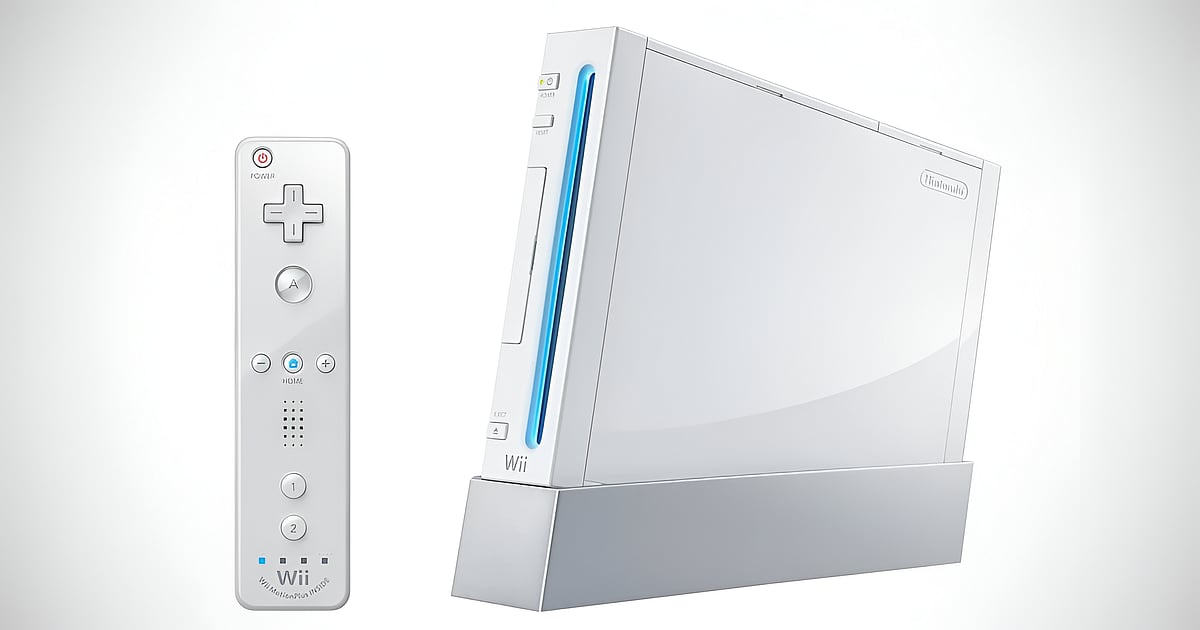
The case concerns European patent EP 1 854 518, which covers ergonomic and sensor-related features of the Nintendo Wii Remote. Although the court ruled in 2011 that BigBen had infringed the patent, proceedings to calculate damages stretched on for more than seven years, making it one of Nintendo’s longest-running hardware patent cases.
Nintendo Wii Controller Patent Lawsuit Delivers Rare Lost-Profits Award
The court awarded Nintendo more than €4M (~$4.6M) in damages, with interest accruing from April 2018, bringing the total to nearly €7M (~$8.2M). Judges accepted Nintendo’s lost-profits theory, assuming Nintendo would have made 100% of the sales generated by BigBen’s infringing Wii controllers.
However, the court rejected BigBen’s argument that consumers would have turned to other third-party alternatives, finding those products were also likely to infringe the same Wii controller patent, stating that they were “highly likely to infringe the patent-in-suit.”
Nintendo
Nintendo’s legal counsel highlighted the significance of the ruling, stating that “proceedings to determine the amount of damages are rare in German patent law,” particularly when courts calculate compensation based on lost profits rather than licensing fees or infringer profits.
The court ruled that Nintendo’s overhead costs should not reduce damages and said prolonged delays raised Nacon’s liability, with interest forming a substantial part of the award. Nintendo’s lawyers said, “these delaying tactics have now proved costly.”
Nacon has appealed the ruling to the Karlsruhe Higher Regional Court. While the decision is provisionally enforceable, it is not yet final.
The Wii controller patent case underscores Nintendo’s willingness to pursue hardware patent infringement claims through prolonged litigation, reinforcing the legal risks faced by third-party accessory makers operating on protected console technologies.