




Highlights
- Sony is reportedly pushing the PlayStation 6 launch to 2028 or 2029 to avoid an $800+ retail price.
- Nintendo may raise the Switch 2 price in 2026 to offset a 41% surge in RAM costs.
- AI giants are outbidding console makers for HBM/DRAM chips, making data centers the priority over gamers.
Gamers waiting for the next big leap in console tech or looking to buy Nintendo's latest hardware might need to prepare for disappointment on two fronts. The state of the console industry has never been harder to predict, but new reports suggest that Sony is pushing the release of the PlayStation 6 to 2028 or even 2029, while Nintendo is reportedly considering a rare price increase for the Switch 2 later this year. Both potential moves are due to a global component crisis dubbed "RAMmageddon," where the booming artificial intelligence sector is devouring the supply of essential memory chips.
At the heart of this disruption is a severe shortage of high-bandwidth memory (HBM) chips, which are critical for next-generation graphics but are currently being snapped up in massive volumes by AI giants like Meta, Microsoft, and Google for their data centers. According to sources close to Sony, this intense competition has caused manufacturing costs to skyrocket rather than fall.
The price of one specific type of DRAM chip surged by 75% between December and January alone. Manufacturers have already made it clear that their focus is now on creating supply specifically to meet AI's demand, leaving console makers to pay significantly more for the components they desperately need.
Sony PS6 Delay 2029 Report
For PlayStation fans, this means the wait for the next generation could be historically long. A report from Bloomberg indicates that the PlayStation 6 timeline has slipped significantly from its originally expected arrival, pushing the launch to 2028 or potentially as far out as 2029. Sony fears that launching in its original 2027 window under these current market conditions would force them to price the console above $700 or $800 to stay profitable.
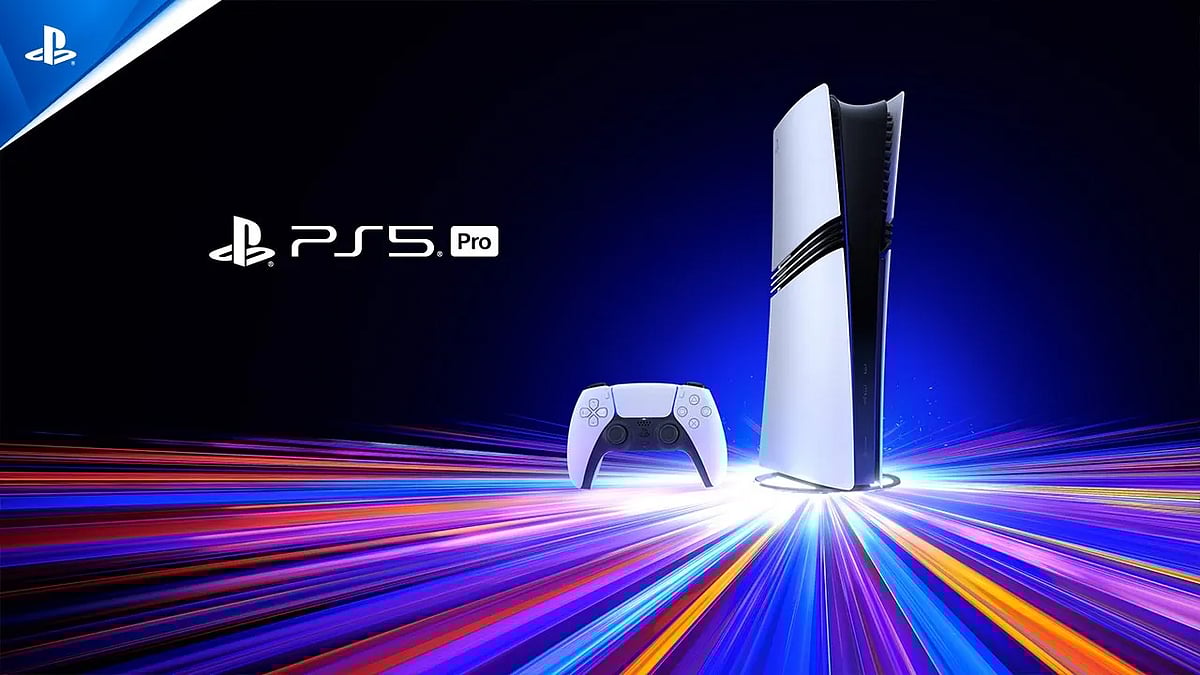
Following the mixed reaction to the premium-priced PS5 Pro, this is a risk the company is reportedly unwilling to take. Consequently, the industry may be looking at a shift where the PlayStation 5's lifecycle extends to nearly a decade, disrupting the traditional six-to-seven-year standard, as reported by The Gamer.
Nintendo
Nintendo Switch 2 Price Hike 2026
The ripple effects of this supply crunch are also threatening Nintendo's pricing strategy, despite the Switch 2 having launched successfully in 2025. While the launch initially helped stabilize memory demand, analysts at Niko Partners predict that Nintendo may be forced to raise the console's price in 2026 or shift strictly to more expensive bundles to offset these rising expenses.
Nintendo President Shuntaro Furukawa acknowledged the volatility of the memory market in January, noting that while there was no immediate hit to earnings, the company is monitoring the situation closely. A price hike would be a significant shift for Nintendo, which typically relies on economies of scale to lower production costs over time, not raise them.
This situation presents a new reality where gaming giants must compete for components against the deep pockets of global AI infrastructure. While neither Sony nor Nintendo has officially commented on these specific reports, the precedent for consumer impact has already been set, evidenced by Sony raising PS5 prices by $50 in the US last August.
However, some suggest a delay might not be entirely negative for PlayStation; with the PS5 arguably still in the middle of its lifecycle, a 2029 release for the PS6 allows the current generation more time to mature. Unfortunately for Nintendo, the timing is less forgiving, as its new console faces immediate manufacturing cost pressures in a market where essential parts are becoming both scarcer and more expensive.