




Highlights
- Sekiro: No Defeat gets a theatrical release in Japan in 2026.
- The film retains the original voice cast and reinterprets the story with 2D cinematic storytelling.
- The adaptation marks FromSoftware’s first major screen adaptation.
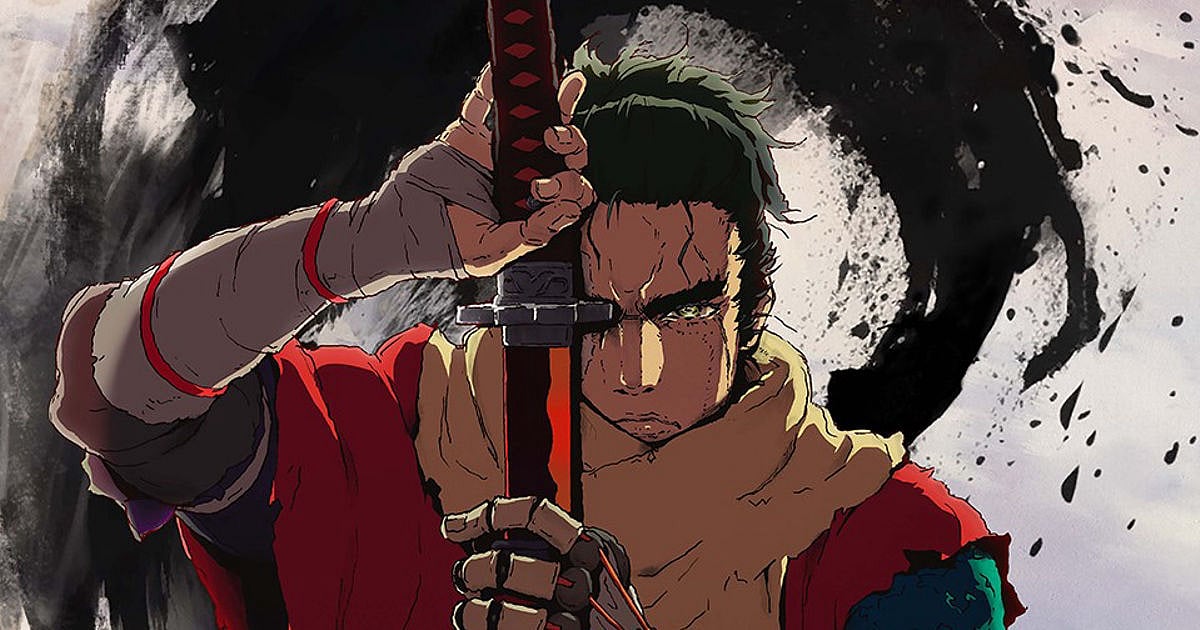
Sekiro: Shadows Die Twice is heading to cinemas, with its anime adaptation Sekiro No Defeat now slated for a theatrical release in Japan in 2026. The announcement included a new trailer, which provided a better look at the narrative progression and animation style.
The film will be directed by Kenichi Kutsuna, with composition by Shuta Hasunuma. The trailers emphasize a stylized reinterpretation of Sekiro’s Sengoku-era setting, maintaining its somber tone while adapting the narrative into a 2D hand-drawn cinematic structure.
Along with the theatrical release update, a blog post from the official website confirmed five more voice cast members from the game, who are reprising their roles in Sekiro: No Defeat. By bringing in Jin Urayama (Sculptor), Takaya Hashi (Owl), Yuko Takase (Hanbei), Shizuka Ito (Emma), and Tetsuo Kanae (Ashina Isshin), along with the previously announced voice cast, the adaptation aims to retain the originality of FormSoftware’s Shadows Die Twice game.
Additionally, Sekiro: No Defeat is using Oscar-winning composer Ryuichi Sakamoto’s Blu as its theme song. The release date and an international rollout are yet to be announced by the production team. On the other hand, Crunchyroll has reaffirmed that it will stream the movie globally except in Russia, Belarus, Korea, Japan, and China.
Kutsuna’s Creative Vision Shapes Sekiro: No Defeat’s Cinematic Narrative
In an interview with Variety, Kutsuna said the team approached the adaptation with a focus on translating the game’s atmosphere into a format suited for the game’s adaptation. Rather than replicate gameplay beats, the film aims to reinterpret the narrative through visual storytelling that captures the emotional isolation of its protagonist, Wolf.
He stated that their main focus was to “take as many elements from the underlying work of the game as possible,” while emphasizing it would be impossible to capture every detail from the game’s narrative. He has emphasized that even though Sekiro: No Defeat adaptation remained mostly true to the source material, it took some “liberties” in shaping the point of view of the narrative.
Kutsuna also acknowledged the global fandom of the original game and the difficulty that lies with “maintaining a level of quality” for the audience. He also emphasized that the movie “doesn’t deviate too far from what the fans would expect.”
Hasunuma further highlighted the significance of the musical score in bridging the transition from game to on-screen adaptation. He emphasized using layered sound design to mirror the nuance of the Sengoku era, and translate the character’s emotional state. Both creators emphasized that condensing Sekiro into an anime adaptation required restructuring its narrative, prioritizing thematic clarity over completeness.
Sekiro: No Defeat represents the first time a FromSoftware IP has been adapted into a major on-screen production, signaling the studio’s cross-media ambitions. Sekiro: No Defeat’s theatrical format also suggests confidence in the property’s standalone appeal, whereas previous game adaptations like Devil May Cry and Cyberpunk: Edgerunners opted for serialization.