


Highlights
- Shift Up CEO Kim Hyung-tae declares Generative AI essential for mid-sized studios to survive against larger global competitors.
- The strategy aims to use AI to boost developer efficiency 100x, automating repetitive tasks while preserving human roles.
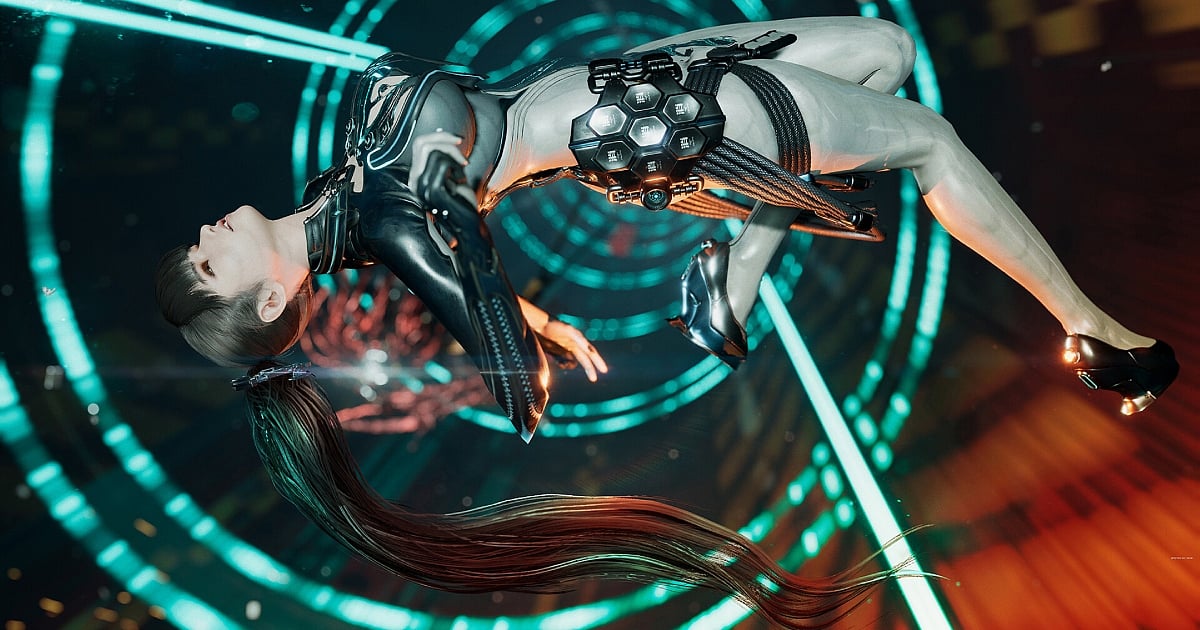
- Future titles like Stellar Blade 2 will leverage these tools to match AAA scale with a leaner workforce.
In a statement that defines the stark reality of modern game development, Shift Up CEO Kim Hyung-tae has laid out a stark vision for the future of game development: Embrace Artificial Intelligence or risk being left behind. Speaking at the "2026 Economic Growth Strategy" event in South Korea, Kim argued that AI is no longer just a buzzword, reported GameMeca. For mid-sized studios like his, it is a survival mechanism essential to competing with the sheer manpower of global giants. The reality, according to Kim, is a numbers game that smaller studios are currently losing.
While Shift Up is a commercially successful powerhouse, heavily bolstered by the success of Stellar Blade, it operates with a relatively lean team of about 150 developers per game. In a direct comparison that highlights the challenge, Kim noted that rival studios in China and the United States frequently utilize human wave tactics, deploying between 1,000 and 2,000 staff members to a single AAA title. This massive disparity creates an overwhelming advantage in production speed and content volume that a team of 150 simply cannot match through traditional means.
Kim’s proposed solution is aggressive: the integration of AI into development pipelines to amplify individual output. He suggests that by leveraging Generative AI, a single developer could effectively match the production output of 100 traditional workers. He view this strategy not as a shortcut but as a necessary "technological equalizer" that allows a studio to punch well above its weight class without needing to hire an army of thousands, a feat that is financially impossible for most South Korean developers.
Amplifying Value Over Replacement
Naturally, claims of "100x efficiency" raise immediate concerns regarding job security, but the Shift Up boss was quick to clarify his philosophy. The strategy is to offload labor-intensive and repetitive tasks to algorithms, freeing up the existing human team to focus on quality and creativity. He maintains that global competition requires utilizing every possible worker, meaning AI will support the staff, not replace them.
To prove that the human element remains a priority, Shift Up has put its money where its mouth is. The studio has a strong track record of rewarding its workforce, recently gifting its 300 employees with Apple Watches, AirPods Max, and cash bonuses of roughly $3,400 to celebrate a profitable 2025, as reported by Kotaku.
Steam
This pivot comes at a critical time as the studio looks toward the future. Shift Up is currently aiming to release Stellar Blade 2 before the end of 2027, alongside the upcoming Project Spirits. With the sequel to the 2024 hit now in the pipeline, it seems increasingly likely that Generative AI will play a significant role in its creation.
However, they face a divided industry; other major players, like Nintendo and Larian Studios, have pulled back or denied the use of such tools due to fan backlash and quality concerns. Despite the controversy, the industry seems to be moving in Kim’s direction.
Data from the 2025 Game Developers Conference (GDC) survey indicates that 52% of developers report that their companies have already implemented Generative AI tools. According to an InsightAce Analytic report projecting the AI gaming market could reach a valuation of nearly $9.8 billion USD by 2034, Shift Up is betting that in the coming years, algorithms will be just as vital as artists. If whether players are ready for that reality or not remains to be seen.