




Highlights
- Starting a Tier 2 esports organization demands immense capital, with entry costs routinely exceeding $400K across major competitive titles.
- Operating costs drastically outpace revenue, as player salaries and buyouts force independent organizations into crushing financial deficits.
- Reaching Tier 1 profitability is volatile, making legacy branding and built-in fanbases essential for securing sponsorships and long-term survival.
The lights dim, the crowd roars, and confetti rains down on the main stage of an international esports arena. It is the dream that sells millions of aspiring gamers on the esports industry. It is the exact vision that naive investors buy into when they decide to start a competitive organization.
Let’s walk away from the main stage, past the multi-million-dollar franchise leagues, and step into the grueling trenches of Tier 2 competition. The confetti is replaced by mounting credit card debt, and the roar of the crowd is drowned out by the harsh reality of payroll. The so-called "esports winter" has frozen out the middle class of competitive gaming. While top-tier giants secure venture capital and lucrative franchise stipends, lower-tier teams are locked in a brutal, high-stakes war of attrition. For ambitious founders dreaming of building the next great organization from scratch, a terrifying question looms. Is it even possible to survive without the safety net of legacy branding?
The True Cost of Entering Esports
To understand why the grassroots esports dream is flatlining, you have to look at the sheer price of admission. The days of five friends wearing matching hoodies and pooling their allowance for a local area network (LAN) tournament are long gone. Today, launching a legitimate operation requires comprehensive infrastructure, legal counsel, marketing teams, and massive travel budgets.
Recent disclosures across different competitive ecosystems highlight just how steep the buy-in has become. In the North American League of Legends scene, industry operators recently estimated the bare minimum startup costs for a competitive Tier 2 team at just over $400K. Team owners have bluntly described the financial model as fundamentally broken, noting that they have to run their budgets so tight they are struggling to keep their rosters afloat. Getting the brand established is merely the first hurdle. The daily cost of remaining competitive is where the true financial drain begins.
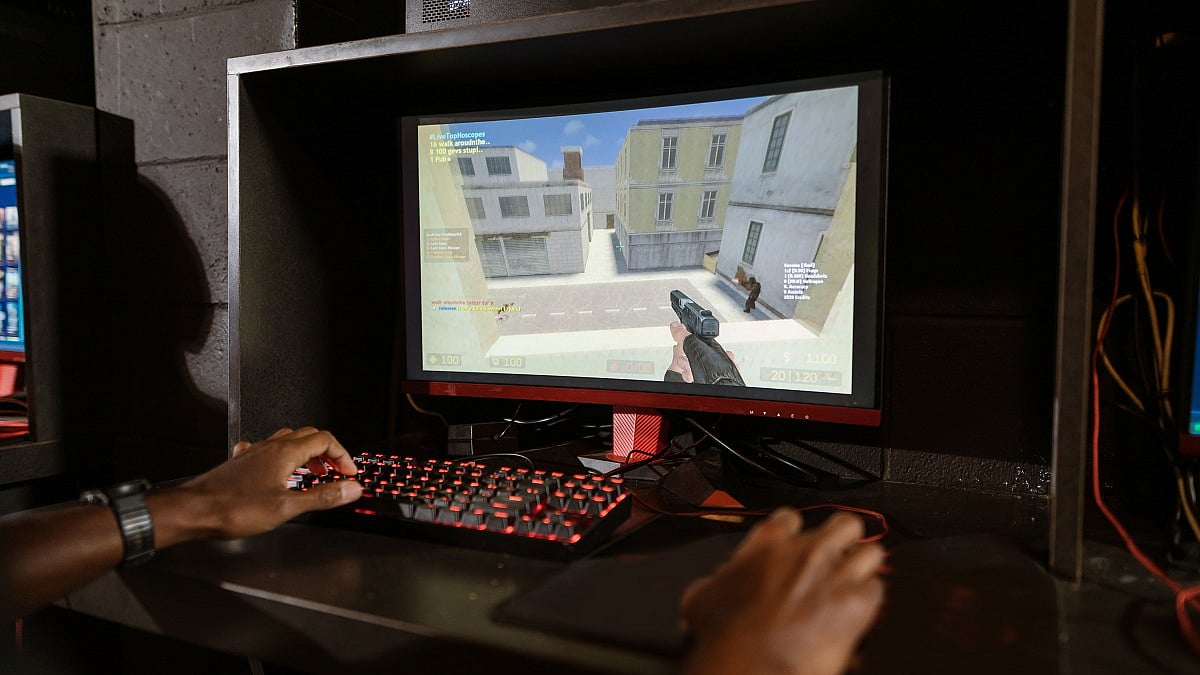
The situation is equally dire in the Counter-Strike 2 (CS2) ecosystem. For a new organization trying to grind through regional qualifiers and lower-tier offline events, travel and accommodation eat into cash reserves immediately. Without the generous subsidies that Tier 1 tournament organizers provide to their partnered teams, a completely new brand must absorb every penny of these costs out of pocket. International travel is a heavy, unavoidable tax required to earn the ranking points necessary to make it to the top.
The Salary Trap and Hidden Operating Expenses
Once a team is fully operational and out in the field, fixed expenses begin to compound at an alarming rate. At the Tier 2 level, organizations find themselves trapped in a vicious, unwinnable cycle. They must pay full-time, competitive wages to prevent Tier 1 juggernauts from poaching their best players, yet they do not generate the predictable broadcast revenue required to actually support those salaries.
The detailed financial breakdown provided by CYBERSHOKE Esports in February 2026 offers a rare, transparent look at this fatal imbalance. Operating a Tier 2 CS2 roster out of Serbia for roughly two and a half years, the organization recorded a staggering $942,675 in total operating costs.
The largest culprit was player salaries and compensation, which accounted for $504,411. It was more than half of their entire budget. Player buyouts added another $181,700 in upfront pressure. When combined with the $126,625 spent on team housing and tens of thousands more on bootcamps, international travel, and legal fees, the organization's expenses completely overwhelmed its $620,110 in total revenue.
Ultimately, CYBERSHOKE reported a net loss of $322,565 over the 30-month period. This is the mathematical reality for the vast majority of non-partnered teams. They are forced to operate as high-risk developmental academies, spending major-league money to hold onto talent in a minor-league market, all while praying a breakout tournament run will eventually balance the ledger.
Chasing the Tier 1 Mirage
If the return on investment is so devastatingly poor, why do these organizations continue to bleed capital? The answer lies in the extreme consolidation of revenue at the absolute top of the esports food chain. Winning minor tournaments rarely moves the needle financially for a Tier 2 team. Instead, survival depends entirely on reaching the promised land of Tier 1 competition, where developer-backed revenue sharing and digital item sales transform the business model overnight.
In CS2, this dynamic is best exemplified by the Major championships. While the base prize pool for a Major sits at $1.25M, the true revenue comes from digital team and player stickers sold within the game itself. Combined earnings from the $500K first-place prize and the Major Shop and Pass revenue pool can easily eclipse $1M.
But Tier 2 teams do not get a share of this pie. If an organization fails to qualify for the Major, they receive zero digital item revenue. They are forced to rely on traditional sponsorships, which have dried up significantly during the industry's recent economic contraction. Brands want guaranteed, massive viewership on primary Twitch and YouTube broadcasts. They have little interest in sponsoring a team that only plays in untelevised qualifiers or obscure regional leagues. As a result, new organizations find themselves starved of the very brand partnerships they desperately need to survive the climb.
Legacy Branding as the Ultimate Cheat Code
Since the path to profitability is securely gated behind extreme competitive success, entering the space without established brand equity is an almost insurmountable handicap. This is exactly why the modern esports landscape is heavily skewed in favor of legacy organizations making a comeback, rather than grassroots startups building from the ground up.
When a legacy brand re-enters the market, they bypass the grueling, expensive early stages of brand building. They bring a built-in, nostalgic fanbase that immediately boosts their merchandise sales and social media engagement. More importantly, they bring established relationships with endemic sponsors like hardware manufacturers, energy drink companies, and peripheral creators. These sponsors are willing to write massive cheques based on the brand's historical pedigree rather than their current Tier 2 ranking.
A completely new organization has none of this leverage that Tier 1 organizations have. They must prove their competitive worth before any sponsor will even open their emails, forcing founders to fund the initial years entirely through personal wealth or venture capital. In today's cautious investment climate, convincing a boardroom to fund a multi-year, million-dollar runway for an unknown Tier 2 esports team is nearly impossible.
Building a Tier 2 organization from scratch is a high-risk passion project. Until developers implement stronger financial safety nets, localized revenue sharing, or robust stipends for the lower leagues, the grassroots dream remains on life support. To survive the brutal climb to Tier 1 in 2026, organizations either need a bankroll capable of absorbing catastrophic losses, or a legacy name that opens doors a new logo never could.