




- A significant retail-resale pricing disparity is changing K-pop economics, with fixed-price official goods selling for up to several times higher on secondary channels.
- The ARMY Bomb has evolved as a real-time demand indicator, with listings disappearing within 30 minutes.
- Authorities have already conducted five targeted enforcement sweeps in Seoul and Busan, signaling a coordinated, pre-event crackdown on counterfeit K-pop merch items.
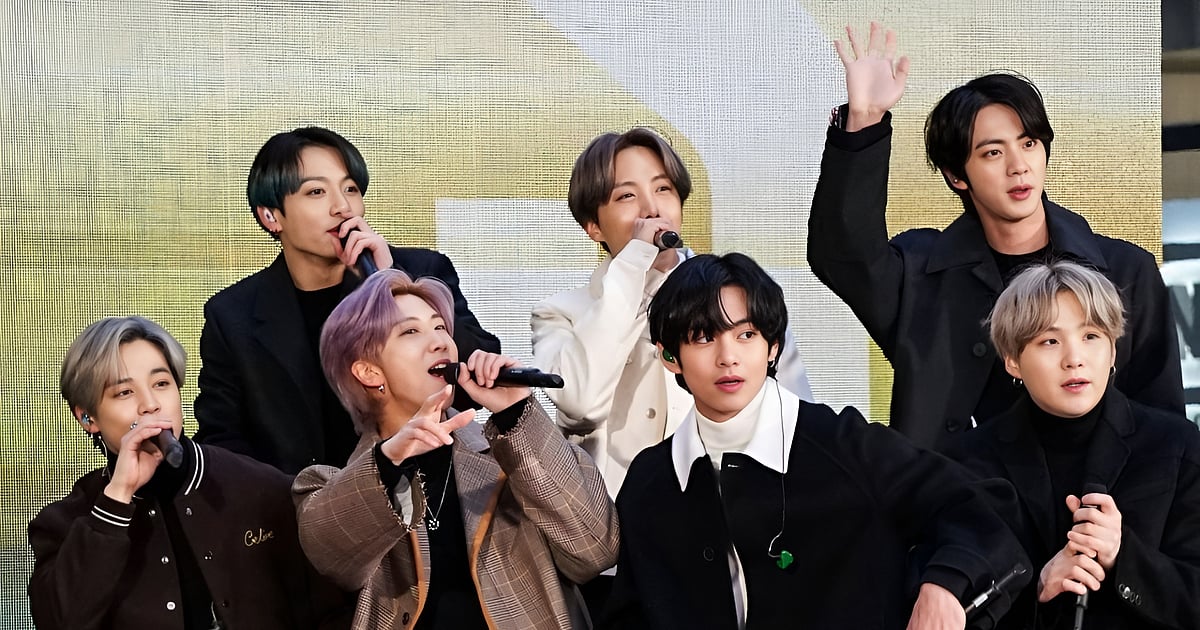
BTS' return is changing global demand cycles long before the first song appears on a streaming chart. Ahead of the band's March 21 comeback concert at Gwanghwamun Square, a major intersection of scarcity, resale prices, and strong regulatory action has turned the merchandise economy into a high-stakes battleground for fans and investors alike.
BTS Arirang 2026 Merch: Resale Frenzy Signals Pre-Event Demand Spike
Search and transaction statistics from South Korea's leading secondary markets show a simultaneous increase in both event access and product demand. On the Bunjang platform, searches for "BTS light stick," "BTS concert," and "BTS ticket" dominated the search ranks in March, indicating a record-breaking rise in fan spending. The "ARMY Bomb," the group's official light stick, has become the key index for this fever, with search volumes increasing by 438% month on month and 1,764% year on year. Transaction values for the device increased 136%, with fresh listings reportedly disappearing within 30 minutes.
This massive demand shock has triggered a struggle for the primary channels to keep up their pace, while also revealing a sharp pricing divide between official retail and the secondary market. Resale platforms like Bunjang are moving inventory for ₩ 100,000 to ₩ 300,000 (~ $67.32 to $201.95 USD). Similarly, transaction velocity is accelerating along with pricing, with KREAM reflecting a 513% week-on-week surge. On the other hand, similar spikes on Japan’s e-commerce site Mercari denote rising overseas demand for the merch associated with BTS’ upcoming album release.
SCREEN CAPTURE from BTS Weverse Shop
As for the primary retail channels, BTS’ Official Light Stick Ver. 4, for instance, is listed at $35.05 on the Weverse Shop, but is sold instantly along with the black ball cap merch (also available in red color for the same cost) priced at $42.21. Despite the premium price point of the Arirang merch line, its hoodies, retailing between $99.45 (red) and $106.60 (black), are also in high demand, with the black one selling out almost whenever restocked. This disparity between fixed retail pricing and elastic resale demand demonstrates a fundamental transition in the K-pop business model towards event-driven consumption surges.
IP Crackdown Intensifies as the Korean Wave Scales
Simultaneously, South Korean regulators are also working to defend the authenticity of the Hallyu economy or the K-wave. The Korean Intellectual Property Office (KIPO) has conducted five rounds of crackdowns in Seoul and Busan, specifically targeting knockoff clothing items, photocards, and accessories. The growing significance of intellectual property protection is shown by these enforcement actions, which address the unauthorized trademark usage of prominent agencies, including HYBE, JYP Entertainment, and SM Entertainment, and their performers.
KIPO Director General Kim Yong-hoon underlined that, because the K-pop business is based on major investment and effort, stringent enforcement by the "Trademark Police" is critical for long-term success. By eliminating illegitimate distributors, authorities hope to protect brands and encourage a respectable consumption culture among a multinational fan base.
As the global music industry relies more on high-margin fan commerce to augment streaming revenue, the BTS comeback stands as a definitive case study. It demonstrates that current live events have matured into full-fledged economic triggers, with merchandise availability, resale market velocity, and federal IP enforcement all moving in tandem with fan demand.