



Highlights
- TOHO's reveal of a new Godzilla anime series has sparked immediate online controversy over its design choices.
- Fans are accusing the protagonist's visual design of being a direct copy of Deku from My Hero Academia.
- The show's premise is also drawing heavy criticism for its similarities to the hit anime Kaiju No. 8.
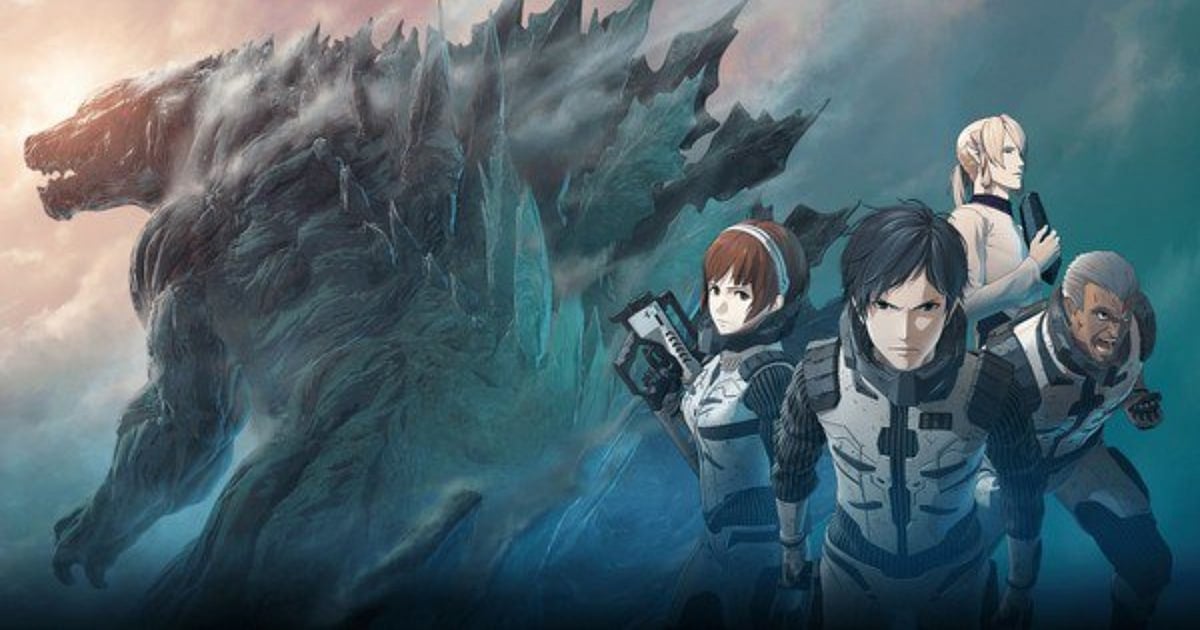
What was intended to be a celebratory reveal for the "King of the Monsters" has quickly turned into a heated debate online. TOHO Animation recently unveiled a brand-new Godzilla anime series at the Anime Festival Asia Singapore 2025, promising a bold reinvention of the franchise. However, instead of excitement, the announcement triggered immediate controversy. Fans and critics have flooded social media with accusations that the project borrows too heavily from major contemporary hits, specifically My Hero Academia and Kaiju No. 8, leading to a wave of skepticism before the first trailer has even fully landed.
The primary source of the outrage centers on the visual design of the new protagonist, which many fans claim is a direct imitation of Izuku "Deku" Midoriya from My Hero Academia. Social media platforms, including widely shared threads on X and discussions on pages like @DiscussingFilm, were flooded with side-by-side comparisons.
Critics pointed to the character's messy green hair, timid posture, and glowing transformation effects as evidence that the studio relied on proven aesthetics rather than fresh ideas. For many viewers, the "youthful, anxious teen archetype" unlocking massive power feels too familiar, leading to accusations that the legendary franchise is leaning too heavily on the visual style of current blockbuster shōnen hits.
Narrative Premise Draws Comparisons to Kaiju No. 8
Beyond the character visuals, the narrative premise, a human boy who harbors a monster’s power inside his own body, has drawn intense criticism for its resemblance to Kaiju No. 8. With Kaiju No. 8 dominating streaming charts following its successful second season, skeptics argue that this new "human weapon" storyline feels reactive and trendy rather than innovative.
Fans have expressed fears that Godzilla’s team is chasing the hype of the "human-kaiju hybrid" genre, potentially diluting the creativity and distinct identity that the Godzilla franchise is known for. The core complaint is that the premise mirrors recent market successes too closely, threatening the franchise's reputation for originality.
Despite the mounting controversy, the creators maintain that the project represents a necessary evolution for the series. Produced jointly by Studio Orange, known for Godzilla Singular Point, and Thailand-based Igloo Studio, the series centers on a young boy possessing Godzilla’s destructive power.
During the announcement, TOHO’s Chief Godzilla Officer Keiji Ota described the project as a "first for the franchise," intended to portray both the fear and hope of the modern era. The studios appear to be aiming for a deep reinvention of the lore, though the execution has clearly divided the audience between those expecting a masterpiece and those seeing a copycat.
While the criticism has been loud, a segment of the fanbase is urging patience, noting that the Godzilla franchise has a long history of successfully reinventing itself. Supporters argue that character archetypes in the shōnen genre often overlap and that design inspiration does not automatically equal plagiarism, citing recent hits like Godzilla Minus One as proof of the series' versatility.