




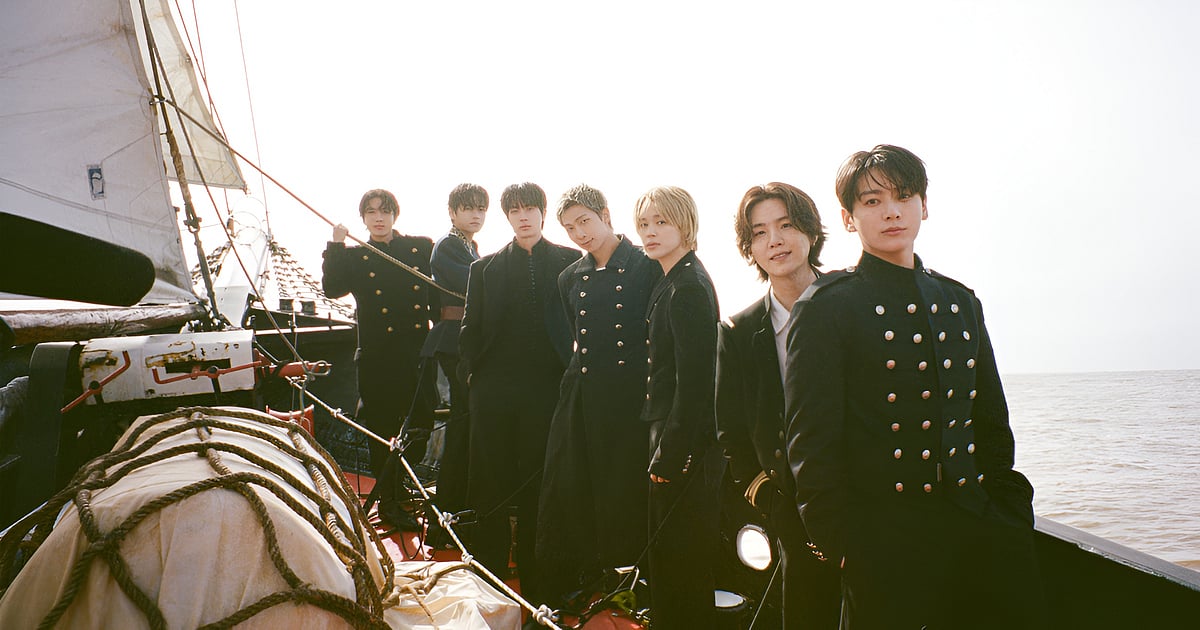
- BTS is turning their comeback into such an economy where fans will still spend on various experiences without even attending shows.
- BTS' label taps the group's global fandom to make the most out of the latest cycle, driving millions across multiple sectors.
- The economic impact of such a comeback depicts profitability but is also volatile at the same time, due to its short-term nature.
BTS comeback is not just shaping up the concert cycle, but is also acting as a distributed economic event, with broadening effects far beyond its concert arena. A recent report from Reuters, citing people's opinions and analysts' projections, noted that BTS' upcoming Arirang world tour could produce up to ₩ 8 trillion (~ $5.32 billion USD) in spending across 44 cities. The scale of the activities tied to the tour and the release cycle will encompass retail, tourism, hospitality, and services sectors, and has been termed "BTSnomics." The term tied to BTS is indicative of a socio-economic framework where the group’s fandom (known as ARMY) operates as a revenue generator rather than just being a passive audience.
BTS and The Rise of the Ticketless Economy
The "BTSnomics" model does not just distinguish its Arirang era by volume, but rather by behavior. Fans are traveling internationally, often without confirmed tickets of events or shows that are directly associated with BTS, to spend heavily on hotels, food, beauty treatments and merchandise, and most importantly to live the "ARMY life." Therefore, the upcoming BTS world tour will anchor what analysts describe as the increasingly rising "ticketless economy," for many cities, where taking part in the cultural moment drives consumption, rather than accessing the venues where original performative events take place.
This pattern is already visible in Seoul, where BTS recently performed in the Gwanghwamun area, marking an iconic return. According to industry reports, including that of Reuters, during BTS' comeback week, department store sales surged by almost 48%. On the other hand, merchandise related to the group at major duty-free outlets rose about 430%. Simultaneously, tourism boosted as well, with South Korea recording a 32.7% increase in inbound visitors in March. The influx of people had further pushed up hotel prices since February-end, especially in the country's central districts and tourist-linked cities like Busan. If industry chatter is to be true, then Busan's accommodation rates have reportedly risen as much as seven times.
BTS Fandom Boosts Pilgrimage Tourism Spending
The mechanism of this spending also indicates what industry observers describe as "pilgrimage tourism." In these types of visits, tourists (especially overseas fans) visit BTS-linked landmarks, from company offices to former shoot sites, while also investing in personalized lifestyle experiences that involve things like luxury dining and premium cosmetic services. As evidenced by this behavioral economics, for many, the BTS comeback or any K-pop performance that is set to happen in this cycle is not bound by a two to three-hour performance. Instead, it unveils itself as a multi-day consumption cycle that is built in identity and ritual.
Further industry projections illustrate that ticket revenue for BTS upcoming shows could reach about ₩ 2.7T to ₩3T (~ $1.8B to $2B), matching its commercial tier with acts like Taylor Swift and Coldplay. To give a broader context, according to an EY-Parthenon and BookMyShow Live report, Coldplay's two-night Ahmedabad concert in India (January 2025) generated a massive revenue of ₹641 crore, which approximately amounts to $76M in total estimated economic impact.
For acts like BTS, who have global fandoms, everything does not end with ticket sales; rather, it generates a citywide or countrywide demand effect that ripples across various sectors. Nevertheless, experts still warn against overstating its macroeconomic impact. This is because concert-driven surges generally amount to short-term local gains rather than sustained national growth, and it's also subject to volatility. For instance, Shakira's concert in India has been indefinitely postponed due to the West Asia war, putting investors and organizers in deep thought. But that skepticism, however, sits in a zone that indicates that BTS might potentially be operating at a different scale, where fandom translates presence, proximity, and engagement into a strong spending power.
BTS Returns: A Comeback Framed as an Economic System
BTS Arirang World Tour will launch from April 9, 2026, in Goyang, South Korea, after an almost four-year hiatus caused by the country's obligatory military service. The tour will span multiple continents, including stops in Las Vegas, London, Paris, and Tokyo. And, by the time the world tour is complete, the success measure may not solely rest on the ticket sales, but rather on how effectively the group redefines the economic area of live music and events itself.