



- K-pop is now incorporating functional usages in its merchandise to boost album sales as well as artist relevance.
- Notable acts like ILLIT, NCT JNJM, KiiiKiii and others have implemented the same method.
- Companies like HYBE, JYP, YG and SM have been charting record revenues in the merchandise sector, showcasing that an increased push here may bring in more profitability.
The K-pop physical album, which was once the static mainspring of fandom collections, has gone through a foundational metamorphosis. The albums are no longer a mere vessel for a compact disc, the format is pivoting toward daily utility, successfully enclosing the industry against the streaming era, which is essentially eroding the physical media. This new phase acts beyond the typical photobook bundles and randomized posters, converting the album into a functional lifestyle tool that incorporates an artist’s IP directly into the fan’s daily routine.
K-pop’s Move From Albums to Everyday Items
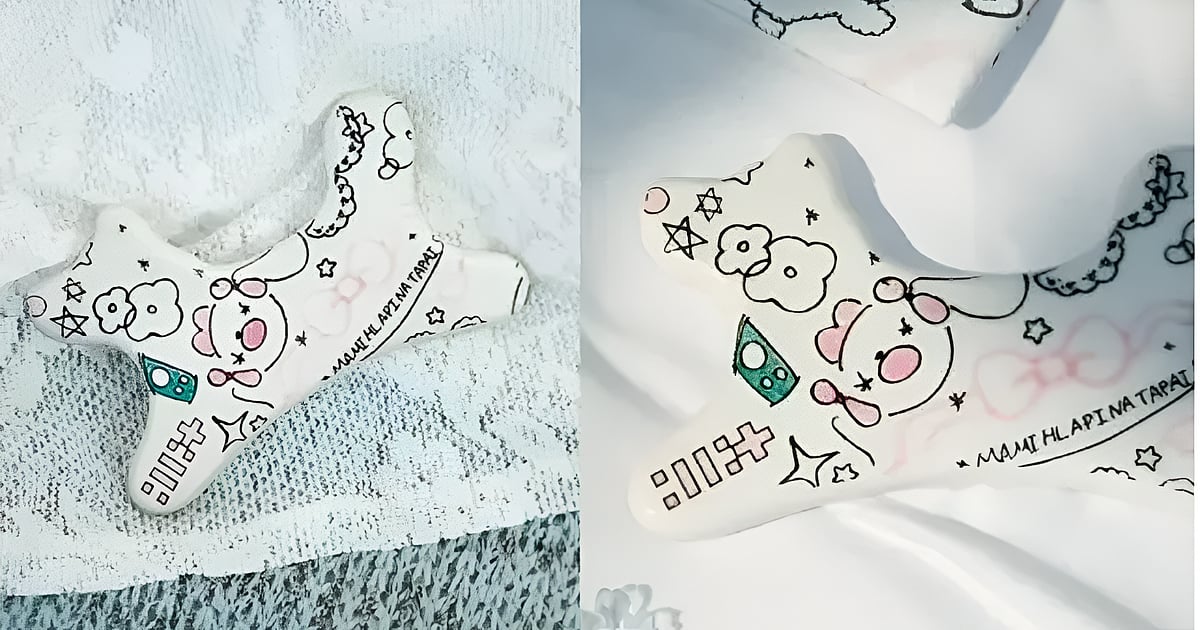
Belift Lab’s girl group ILLIT serves as a prime example of this shift. Before their April 30 comeback with the EP MAMIHLAPINATAPAI, the group launched a dog-shaped gua sha with the release. The object was not just a collectible; it is an effective self-care tool that was created to resemble the narrative of their B-side track, titled GRWM (Get Ready With Me). The dog-shaped design is also a nod to another track, named, paw, paw! showcasing a convergence of music, storytelling, and skincare that places the product on-the-go in a vanity instead of just being on a shelf.
This pathway towards "wearability" and "usability" is swiftly gaining traction across the major K-pop labels. For instance, SM Entertainment’s newest NCT subunit, NCT JNJM, recently provided Converse sneakers along with its debut album BOTH SIDES. On the other hand, HYBE/BigHit artist Yeonjun (from TXT) also leaned into fashion with "trunk shorts" tied to his solo release, NO LABELS: PART 01.
Not only that, but even rookie acts are also pushing the limitations of what constitutes an “album.” Notably, the girl band KiiiKiii also provided slime with their Delulu Pack EP, RESCENE paired their lip bomb release with berry-scented lip balm. Additionally, the boy group KickFlip also included a mini digital camera, bridging the gap between aesthetics and modern function.
Merch Boom Rewrites K-pop’s Revenue Model
The financial incentive for this industry evolution with K-pop is remarkable. Korea Times reported that merchandising and licensing revenue at HYBE Labels increased from ₩420.2 billion (~ $282 million USD) in 2024 to ₩570.6B (~ $383M) last year. This reallocated the segment’s proportion of total revenue from 18.63% to 21.53%, making it an essential shield as the revenue share of conventional album sales declined from 38.17% to 29.17% in the same period. The momentum has only accelerated since.
Notably, in the previous year of 2025, by the third quarter, HYBE reported a 70% annual increase in merchandise revenue to ₩168.3B (~ $113M). SM Entertainment too remarkably mirrors this trend, with its own licensing sector scaling 50.6% to ₩78.1B (~ $53M), along with significant profits recorded for YG as well as JYP.
K-pop Fans Gradually Cease Passive Collecting, Shift to Functional Buying
This shift also indicates a maturing consumer base. As reported by the Korea Times, an industry insider at a mid-sized agency observed that fans are prioritizing practical value more than the "bulk-buying" trend that was once used to boost chart rankings of those artists. Interestingly, albums today have become a versatile system through which artist-driven designs and products facilitate a lifestyle prompted by music. A notable example of such a pattern is NCT WISH’s NFC-enabled WICHU, a star-shaped plush keychain, or their contactless Steady smart albums that acted as an accessory enabling fans to use it as a physical key to unlock digital playlists.
Ultimately, this showcases that the K-pop market is moving towards an era where cultural taste is a core part of personal identity; an idea that is also supported by pop culture critic Lee Moon-won, based on a report by the Korea Times.
By distilling the superseded CD and replacing it with items that are intended to be worn, used, or carried, K-pop labels have secured a position where their product remains essential. Today, the value is no longer based on how the music is stored, but on how successfully an artist's world can be integrated into the fabric of a fan's everyday life.