



- K-beauty has become Asia-Pacific’s most significant M&A growth story despite a broader regional slowdown.
- The sector’s boom has pushed global private equity firms to actively invest in Korea’s beauty and wellness ecosystem.
- Goodai Global is rapidly growing its K-beauty empire via major acquisitions and US distribution deals.
In a year where Asia-Pacific dealmaking stumbled a bit, the K-beauty sector from South Korea rose as the region’s trailblazing outlier. Although wider regional transactions declined by 11%, South Korean mergers and acquisitions volume increased by a third to about $15 billion USD. The result was further bolstered by global demand for K-beauty, which has evolved from a cultural trend to an economic powerhouse.
K-Pop Turns K-Beauty into an Export Giant
The impetus behind this is none other than K-pop, whose global dominance led by BTS and BLACKPINK, has turned brands like Hera, Sulwhasoo, and Laneige into global essentials. The K-pop effect has helped South Korea to become one of the best cosmetics exporters to the US, with total exports reaching a record $11.4B last year (Bloomberg). The market depth tells a more telling story. Interestingly, 10,000 small and medium-sized firms contributed $8.32B to those stats, indicating a highly fragmented industry that is now ripe for consolidation.
Private Equity Rushes Into Korea’s Beauty Supply Chain
This money has now moved past the retail shelves, thus becoming the engine room of the global market scene. In an outstanding move, KKR, a major US-based global private equity firm, acquired cosmetics packaging giant Samhwa for ₩733B (~ $500M) last year from TPG. The move marked a staggering exit from the latter company, which took in Samhwa for ₩30B (~ $20.4M) just two years before its departure.
Samhwa began as a mold-making entity in 1977, which now supplies cosmetic containers with airtight cushion tech to fashion and beauty juggernauts like L’Oreal, Chanel, and LVMH. Notably, this airtight cushion tech changed the market forever, marking a shift towards a “value chain,” coupled with packaging and manufacturing. A similar effort is seen by Ascent Equity’s ₩285B (~ $194.3M) play for C&C International and Ark & Partners’ acquisition of Changshin.
Goodai Global Bets Big On K-Beauty Consolidation
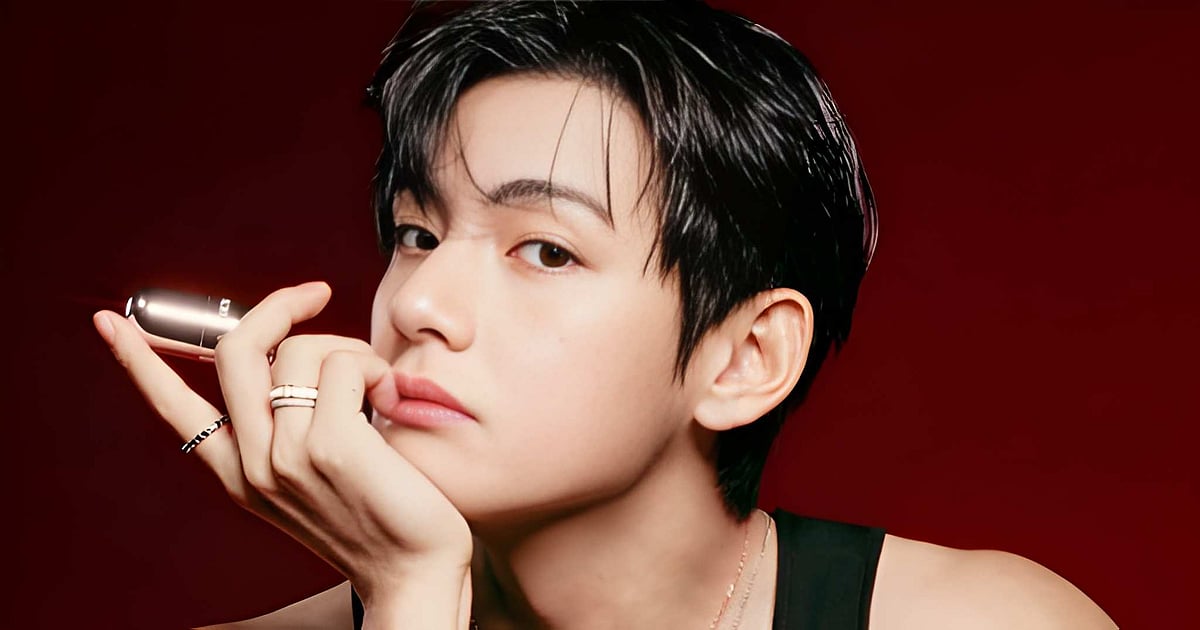
Locally, Goodai Global has turned into the sector’s most active consolidator, after its collaborative success with Beauty of Joseon and TirTir (BTS V is brand ambassador). Post these efforts, the entity spent ₩600B (~ $409.1M) on Round Lab owner Seorin Company and another ₩150B (~ $102.3M) on Skinfood. Recently, it also moved to acquire California-based distributor Hansung USA for ₩100B (~ $68.2M), thus highlighting its strategy of vertical integration for North American market domination.
Investors Expand Into Korea’s Wellness And Aesthetics Boom
The market appetite extends far beyond the usual cosmetic industry to medical aesthetics. For instance, Blackstone invested in Juno’s hair care empire; additionally, Bain Capital’s ₩670B (~ $457M) stake in Classys, and ArchiMed’s acquisition of Jeysis Medical showcase that investors are rapidly betting on the entire wellness ecosystem. As VIG Partners develops aesthetic assets from LG Chem, the future is clear: South Korea is no longer just experimenting or trendsetting but is innovating global products that even large equity firms are beginning to finally acknowledge them as a major industrial asset.