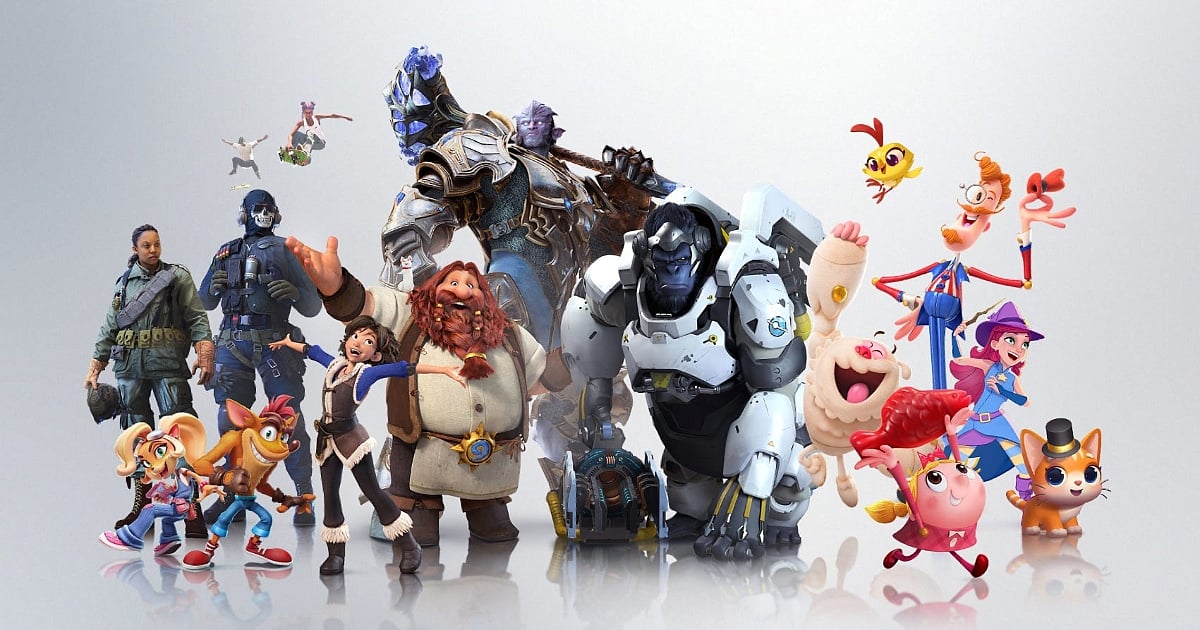
Bobby Kotick calls the Microsoft deal foresight
Bobby Kotick Rebuts AP7: Claims MS Deal Was 'Foresight', Not Panic
Bobby Kotick rebuts the AP7 lawsuit, claiming the Microsoft deal was "foresight" amid plummeting Call of Duty sales and a historic collapse in the console market.

Highlights
- Bobby Kotick defends the Microsoft deal against the AP7 lawsuit, calling it strategic "foresight."
- He cites plummeting Call of Duty figures and Game Pass impact to justify the valuation.
- The defense points to a historic console market crash to validate the decision to sell.
Former Activision Blizzard CEO Bobby Kotick isn’t taking the recent lawsuit against him lying down. In a sharp rebuttal to investors criticizing the company's sale to Microsoft, Kotick claims the current state of the gaming industry, specifically a massive drop in Call of Duty numbers and plummeting console sales, proves he secured the best possible deal for shareholders. The controversy stems from a lawsuit filed by the Swedish pension fund Sjunde AP-fonden (AP7). The investors allege that Kotick rushed the $69 billion merger in 2022 to evade accountability for internal workplace scandals and to secure a massive personal payout.
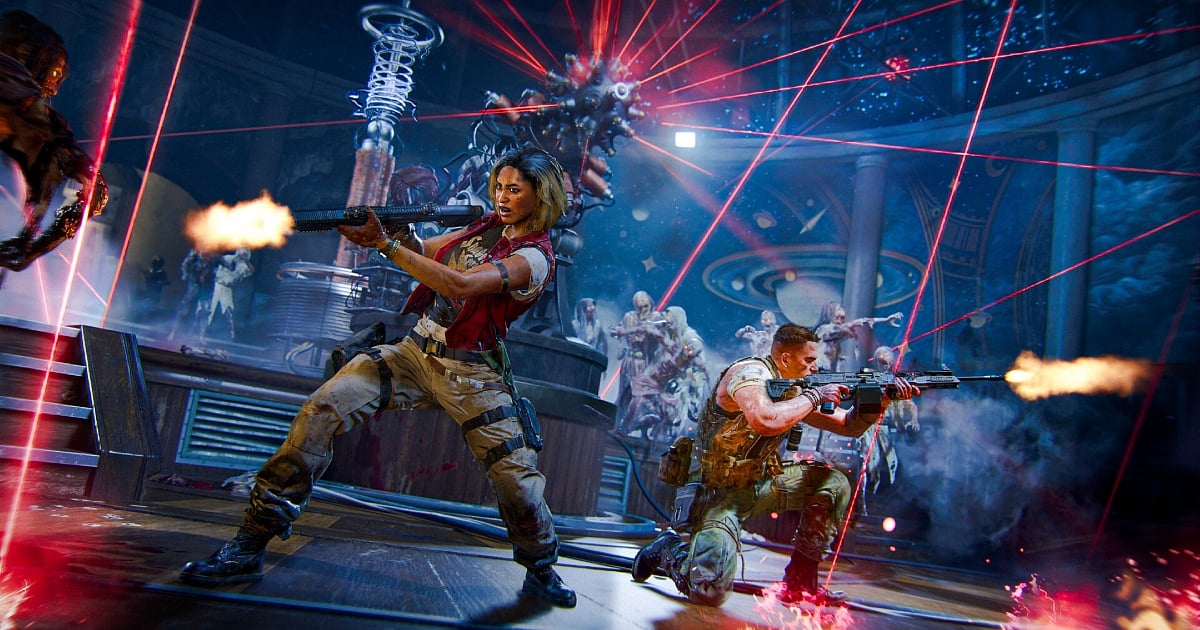
They argue the $95 per share price was too low and that the company had better prospects alone. Kotick, however, argues that given the "dire" state of the market in late 2025, those investors should be thanking him. In a new legal filing, Kotick stated that shareholders should express "extreme gratitude for the foresight Activision leadership demonstrated." His defense hinges on shocking internal figures regarding the company's flagship franchise. Kotick revealed that sales for the recently released Call of Duty: Black Ops 7 are "off over 60% from the prior year" compared to 2024’s Black Ops 6, as reported by Game File.
Kotick attributed the decline to "intense competition" from rival shooters, specifically pointing to the resurgence of Battlefield 6. He argued that this competitive pressure proves the Federal Trade Commission (FTC) was wrong to worry about Microsoft having a monopoly. According to Kotick, without the safety net of Microsoft, Activision would currently be failing to meet its long-range financial targets, and its stock price would likely be tanking.
However, industry context suggests the "60% decline" is more nuanced than Kotick admits. The figure likely refers to premium unit sales, which have naturally dropped because Black Ops 7 launched directly onto Xbox Game Pass. Millions of players are likely accessing the game through their subscriptions rather than buying traditional copies, a factor that artificially lowers the specific sales metrics Kotick is citing to defend the sale.
Steam
Console Market Crash
Beyond Call of Duty, Kotick’s filing also pointed to a broader collapse in the console market to justify the sale. He highlighted data showing that November 2025 was one of the worst months for the industry in decades. Market reports indicate that U.S. video game hardware spending dropped 27% year-over-year to just $695 million. This represents the lowest dollar total for the month of November since 2005.
The situation appears even grimmer when looking at unit sales. The industry moved just 1.6 million units in November, marking the worst performance since 1995. The decline was felt across every major platform. Xbox Series hardware sales plummeted by approximately 70% compared to the previous year, while PlayStation 5 sales fell by over 40%. Even the Nintendo ecosystem wasn't immune; despite it being a launch year for the Nintendo Switch 2, combined sales of the Switch family dropped roughly 10%.
Kotick’s message to the courtroom is clear: the "golden era" of rising console sales is over, and selling the company before the crash was a strategic masterstroke, not a panic move. The filing also contained a surprising accusation against the Embracer Group (owners of Tomb Raider and Lord of the Rings), with Kotick alleging they are involved in and benefiting from the lawsuit. Meanwhile, Embracer has denied these claims, as reported by IGN.
As the legal battle continues, Activision has signaled a shift in strategy, promising not to release back-to-back games in the same sub-brand, following the fatigue seen between Black Ops 6 and 7.

Author
Krishna Goswami is a content writer at Outlook India, where she delves into the vibrant worlds of pop culture, gaming, and esports. A graduate of the Indian Institute of Mass Communication (IIMC) with a PG Diploma in English Journalism, she brings a strong journalistic foundation to her work. Her prior newsroom experience equips her to deliver sharp, insightful, and engaging content on the latest trends in the digital world.
Krishna Goswami is a content writer at Outlook India, where she delves into the vibrant worlds of pop culture, gaming, and esports. A graduate of the Indian Institute of Mass Communication (IIMC) with a PG Diploma in English Journalism, she brings a strong journalistic foundation to her work. Her prior newsroom experience equips her to deliver sharp, insightful, and engaging content on the latest trends in the digital world.


Related Articles