




Chinese DRAM Expansion Could Lower Memory Prices by 2027
Chinese DRAM Expansion Could Lower Memory Prices by 2027
Memory prices may ease by 2027, but a post-AI spending slowdown could trigger oversupply by 2028.

Highlights
- Chinese DRAM expansion could ease DDR5 shortages by late 2027.
- Former Samsung executive warns AI spending may slow after 2028.
- DDR5 prices in Germany reportedly surged 414% during the AI boom.
The artificial intelligence (AI)-driven memory shortage pushed DDR5 prices sharply higher across the global market. According to former Samsung Electronics semiconductor chief, Kyung-Hyeon Kye, the supply crunch could begin easing by late 2027 as Chinese semiconductor firms rapidly expand DRAM production capacity.
The warning, however, came with a broader concern for the tech industry: AI infrastructure spending itself could slow after 2028 if returns fail to justify current investment levels.
Speaking at the National Academy of Engineering in Seoul, Kye stated that Chinese companies are “aggressively expanding their production capacity.” He added that the expansion could trigger a surge in global memory supply during the second half of 2027 or early 2028, according to reports from PC Gamer and Wccftech.
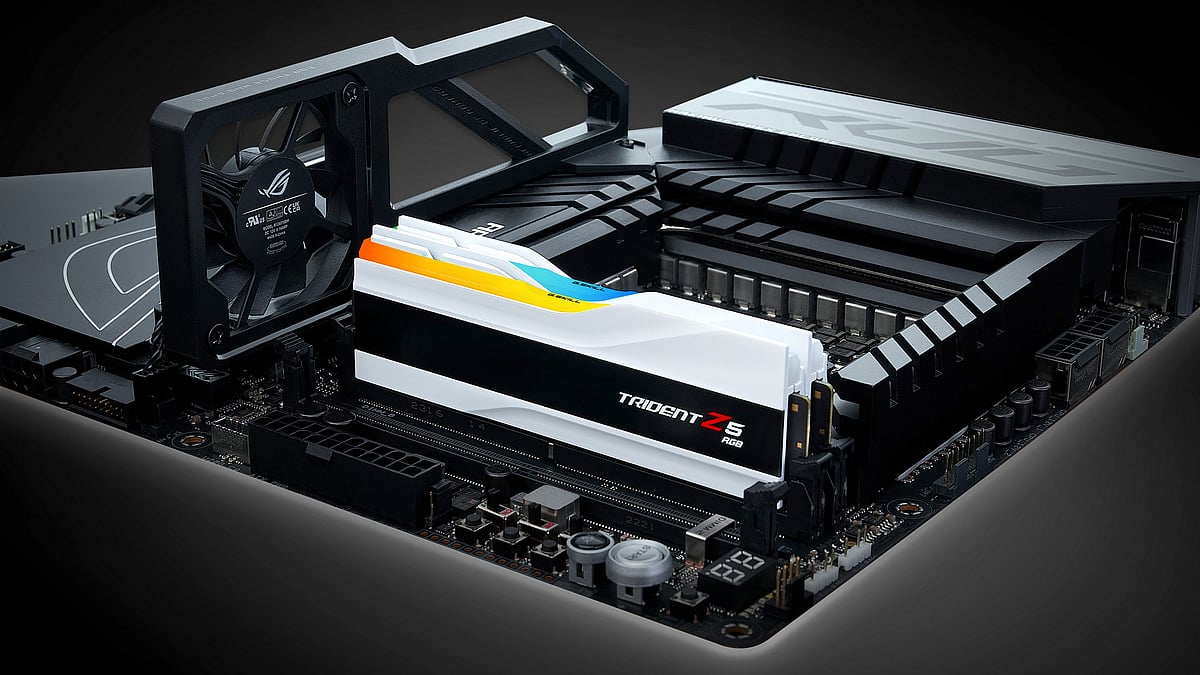
The comments come as AI demand continues to reshape the global memory market. Manufacturers redirected capacity toward high-bandwidth memory used in AI accelerators. The shift tightened supply for mainstream DRAM products such as DDR5 and pushed prices higher across consumer and enterprise hardware markets.
DDR5 Prices Rose as AI Demand Reshaped Memory Supply
WCCFtech reported that DDR5 prices in Germany climbed as much as 414% compared to July 2025 levels. The supply pressure also affected the PC market, with companies such as Apple and Dell increasing shipments through advance ordering to offset expected pricing increases.
Chinese manufacturers are now accelerating efforts to increase market share. ChangXin Memory Technologies, or CXMT, has emerged as a major DRAM producer, while companies such as Jiahe Jinwei are expanding their DDR5 operations.
Kye pointed to market research estimating that global memory production capacity could reach 6M wafers per month by the second half of 2027.
AI Spending Slowdown Could Trigger Memory Oversupply
Kye also warned that memory demand could weaken after 2028 if major technology firms fail to generate sufficient returns from AI capital expenditure. He suggested that reduced investment from Big Tech could force the semiconductor sector to prepare for a subsequent post-super bubble.
The forecast raises the possibility of a sharp market correction if expanding production capacity collides with weaker AI spending.
For Indian gamers and PC builders currently facing elevated RAM prices, lower DDR5 costs would improve upgrade affordability. But a slowdown in AI infrastructure investment could also reshape the broader hardware market heading into 2028.

Author
Probaho Santra is a content writer at Outlook India with a master’s degree in journalism. Outside work, he enjoys photography, exploring new tech trends, and staying connected with the esports world.