Chinese Gaming Sector Backs Generative AI Push
Chinese Gaming Sector Backs Generative AI Push
Chinese game makers fund LLM developers and scale AI across production, operations, and player engagement.

Highlights
- Chinese game makers invest in LLM firms, including Zhipu AI and MiniMax.
- MiHoYo and 37 Interactive deploy AI across development and operations.
- Major publishers like Tencent and NetEase expand generative AI integration in live games.
Chinese video game companies are emerging as financial backers of the country’s generative artificial intelligence (AI) sector, the South China Morning Post reported. They are funding large language model (LLM) developers while deploying AI tools across game production.
The shift gained momentum after the public listings of Zhipu AI and MiniMax, the world’s first publicly traded LLM start-ups.
Their debut places them ahead of US rivals, including Microsoft-backed OpenAI and Amazon-supported Anthropic, which remain private. Both firms are backed by state-linked funds and major technology groups such as Tencent Holdings and Alibaba Group Holding.
MiHoYo, creator of Genshin Impact, was an early MiniMax investor. 37 Interactive Entertainment, or 37wan, has funded Zhipu AI, Moonshot AI, and Baichuan, firms widely known as China’s “four AI tigers.”
Chinese Studios Deploy LLM Tools Across Development Pipelines
MiHoYo has used MiniMax models in Honkai: Star Rail since 2023 to generate scripts, storylines, and 3D assets. 37 Interactive integrated Moonshot AI’s Kimi model into customer service systems and applied Zhipu’s GLM model to co-create plots.
Noah Ramos, global strategist at Alpine Macro, stated AI is a “catalyst needed to push the gaming industry past its recent period of stagnant growth and into a new era.” He cited weaker consumer spending and rising budgets, noting $70 USD console games are about one-third cheaper in inflation-adjusted terms than two decades ago.

HoYoverse
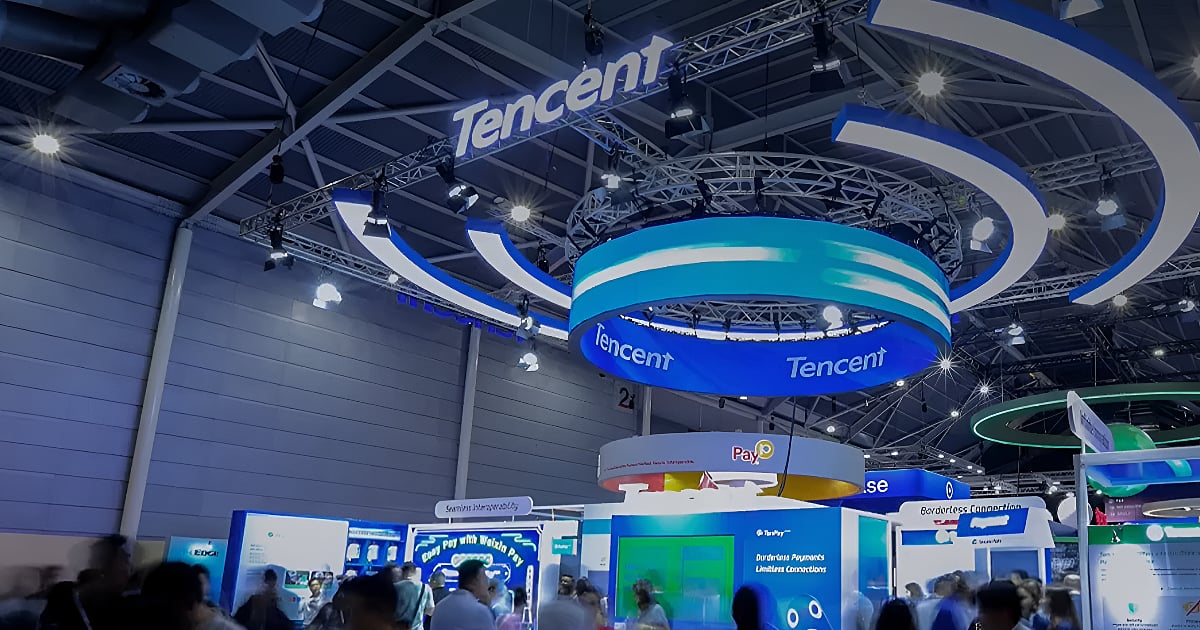
Major publishers like NetEase partnered with Tripo AI to enable player-created environments in Eggy Party. While Tencent embedded DeepSeek technology into Game for Peace with AI-driven avatars.
Niko Partners research director, Daniel Ahmad, stated that studios are using AI to reduce costs, accelerate development, and expand player experiences. He added that adoption is higher in China and across Asia, contrasting it with the US and Europe, where generative AI is still fairly experimental.
Taken together, the investments and expanding use of LLM tools point to a structural shift in China’s gaming industry, positioning generative AI as a core driver of future development and operations.

Author
Probaho Santra is a content writer at Outlook India with a master’s degree in journalism. Outside work, he enjoys photography, exploring new tech trends, and staying connected with the esports world.