




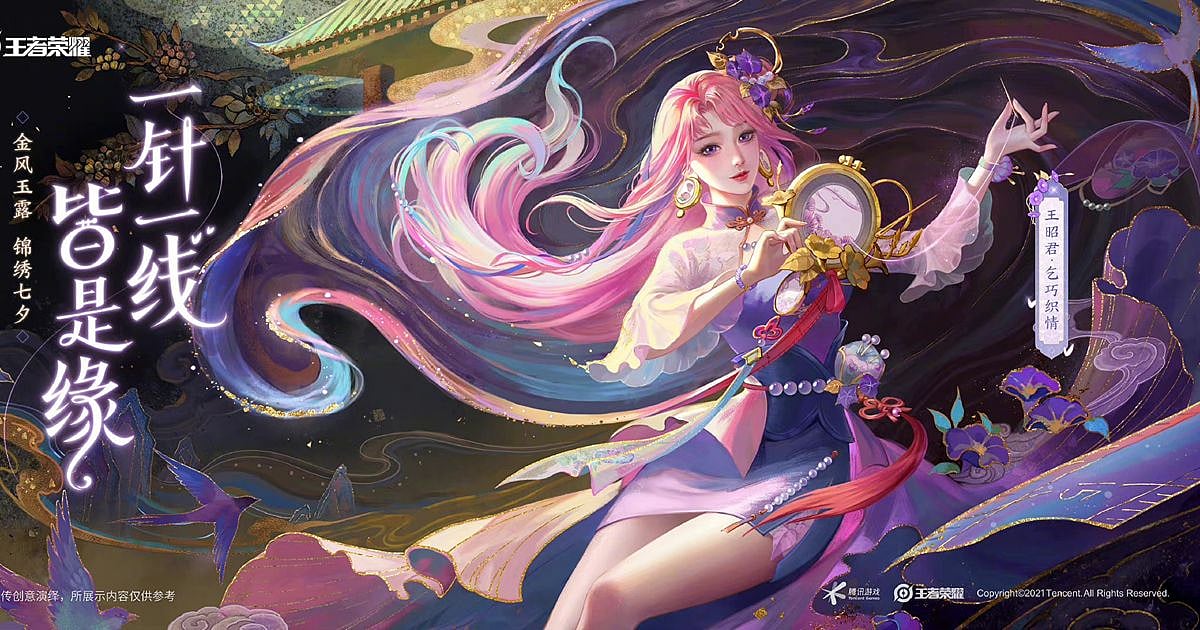
Premium skins in Honor of Kings are a major revenue driver for Tencent. The game is now testing an installment-based payment model for its top-tier cosmetics. (Image: Tencent Games)
Honor of Kings Tests ‘Buy Now, Pay Later’ Model for Premium Skins
Tencent's flagship mobile game experiments with subscription-style monetization, breaking from the lump-sum purchase model that has defined cosmetic sales in free-to-play games

Highlights
- Tencent's Honor of Kings is testing "Early Access Pay," a feature that lets Chinese players access premium Star Legend skins for 300 Star Coins per month instead of the full 3,000 upfront.
- The model works like an EMI: each monthly payment counts toward permanent ownership, setting it apart from the pure subscription systems common in Chinese shooter games like CrossFire.
- The pilot is limited to skins for three popular heroes, and a broader rollout will depend on how conversion rates and player retention respond during the test.
Tencent's Honor of Kings, China's most-played mobile game with 139 million daily active users as of its 10th anniversary event in 2025, is testing a new payment model that lets players rent premium cosmetic items instead of buying them outright. The shift could reshape how the game monetizes its massive domestic user base.
As spotted by Niko Partners, the feature, called "Early Access Pay," launched alongside the game's S43 season update in late March. It targets the game's top-tier "Star Legend" skins, which typically cost around 3,000 Star Coins, a currency that free-to-play users can only accumulate at a rate of roughly 400 to 600 coins per month through daily activities and battle passes. At that pace, saving up for a single premium skin takes over six months.
Under the new system, players pay about 300 Star Coins, roughly one-tenth the full price, to use a skin for one month. The model resembles an EMI (equated monthly installment) structure: players get immediate access to the skin, and each monthly payment counts toward eventual permanent ownership. Pay long enough, and the skin is yours for good.
One caveat: Star Legend skins are not standalone cosmetics. They function as upgrade packs layered on top of existing base skins, meaning players must already own the original before the installment option becomes relevant.
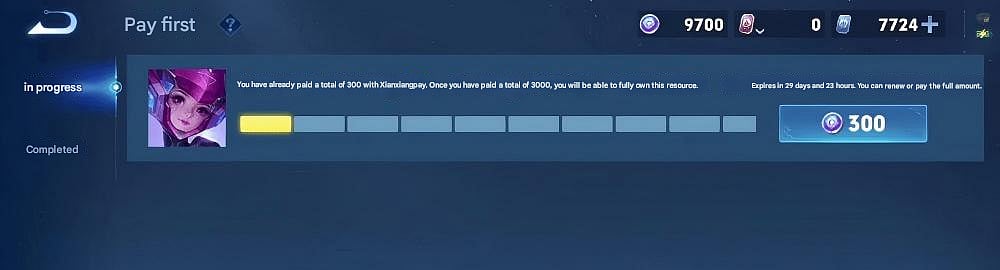
The initial pilot covers Star Legend skins for three of the game's most popular heroes: Sun Wukong, Di Renjie, and Sun Shangxiang. All three characters rank among the game's most-played in China, giving TiMi Studio Group, the Tencent subsidiary that develops Honor of Kings, a large test pool to gauge demand.
How Honor of Kings' EMI model compares to other free-to-play games
The model borrows from a playbook familiar to Chinese shooter games like CrossFire, where gear with direct competitive advantages (armor, helmets, weapons) has long been sold on daily or monthly subscription terms. Players pay repeatedly because the items affect in-game performance.
Honor of Kings skins, by contrast, are purely cosmetic. They offer flashier visual effects and smoother animations but no meaningful stat boosts. The commercial bet is that enough players will pay for temporary access to cosmetics they couldn't otherwise afford, even without the competitive pressure that drives recurring purchases in shooters.
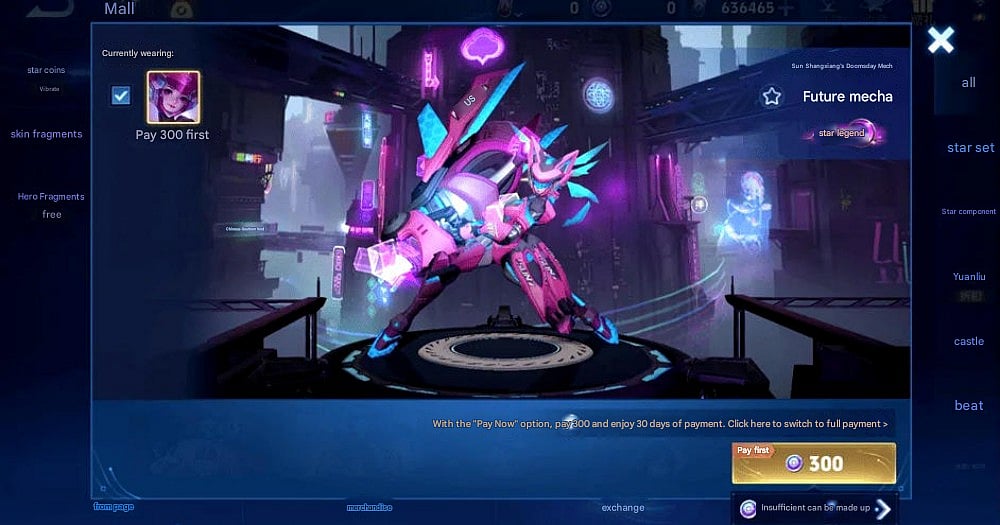
The EMI-like structure is what sets this apart from a subscription model. Unlike CrossFire's subscription model, where the money is gone once the term expires, Honor of Kings players are building toward ownership with each payment. It splits the difference between renting and buying.
For now, the feature remains limited to a handful of new skins, and no expansion to older or returning cosmetics has been announced. If conversion rates and retention numbers hold up, a broader rollout is likely, perhaps to other regions including India as well. If Chinese players push back hard enough, TiMi has room to pull it without much disruption. Either way, it signals where Tencent thinks the next phase of free-to-play monetization is headed.

Author
Vignesh Raghuram is the Editor of Outlook Respawn, where he leads editorial strategy across gaming, esports, and pop culture. With a decade of experience in gaming journalism, he has established himself as a trusted voice in the industry.