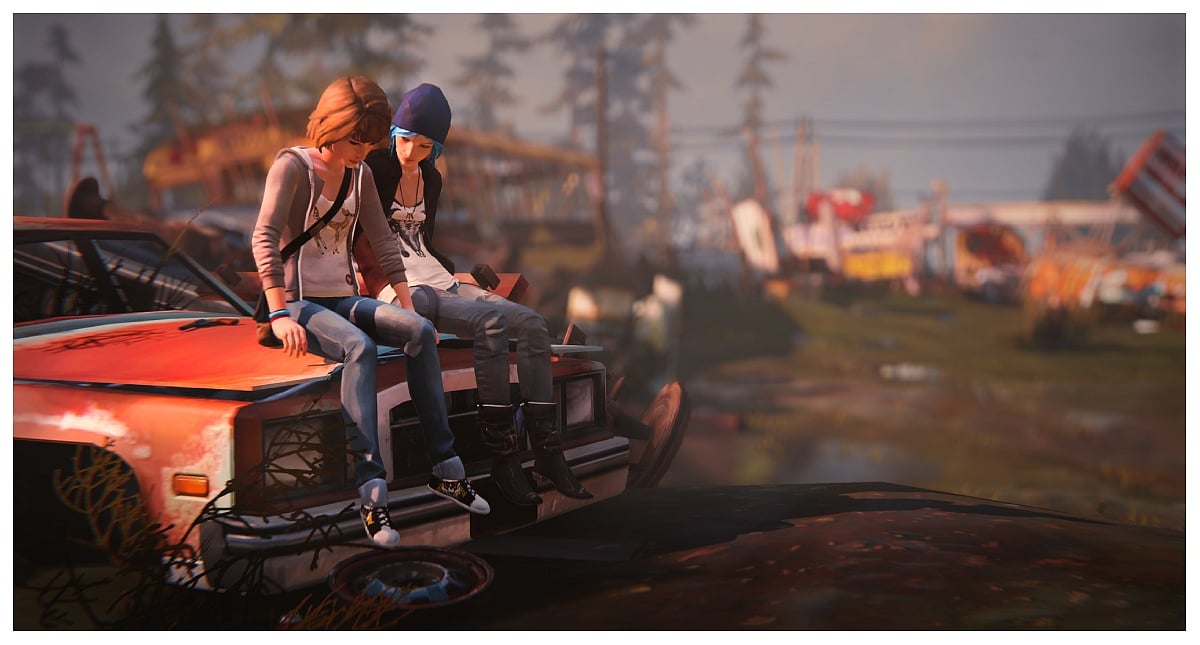
The Life is Strange developer is facing a major cash crunch with reserves running low by November 2026.
Life is Strange Developer Don't Nod Running Out of Cash in 2026
Life is Strange developer Don't Nod risks closure by November 2026 as financial losses mount and major backer Tencent refuses to provide emergency capital.

Highlights
- Don’t Nod faces a financial crisis, with cash reserves projected to be depleted by November 2026.
- Recent releases underperformed, and major investor Tencent has declined to provide further funding.
- The studio is now urgently seeking external partners and considering emergency cost-cutting and work-for-hire projects to survive.
Don't Nod, the beloved French studio that gave us the emotional highs of the Life is Strange series, is fighting for its survival. According to new financial disclosures and auditor reports published this month, the developer is on track to completely exhaust its cash reserves by November 2026 unless an immediate financial lifeline is found. The studio's internal numbers paint a stark picture of a rapidly sinking ship.
At the close of the 2025 fiscal year, Don't Nod held roughly €15.4 million ($17.6 million USD) in liquid cash. By early April 2026, that safety net had plummeted to approximately €8.8M ($10M) following millions in net losses throughout the previous year. Company management and independent auditors have both concluded that this remaining capital provides only five months of runway, putting the Paris headquarters and its Montreal satellite studio at severe risk.
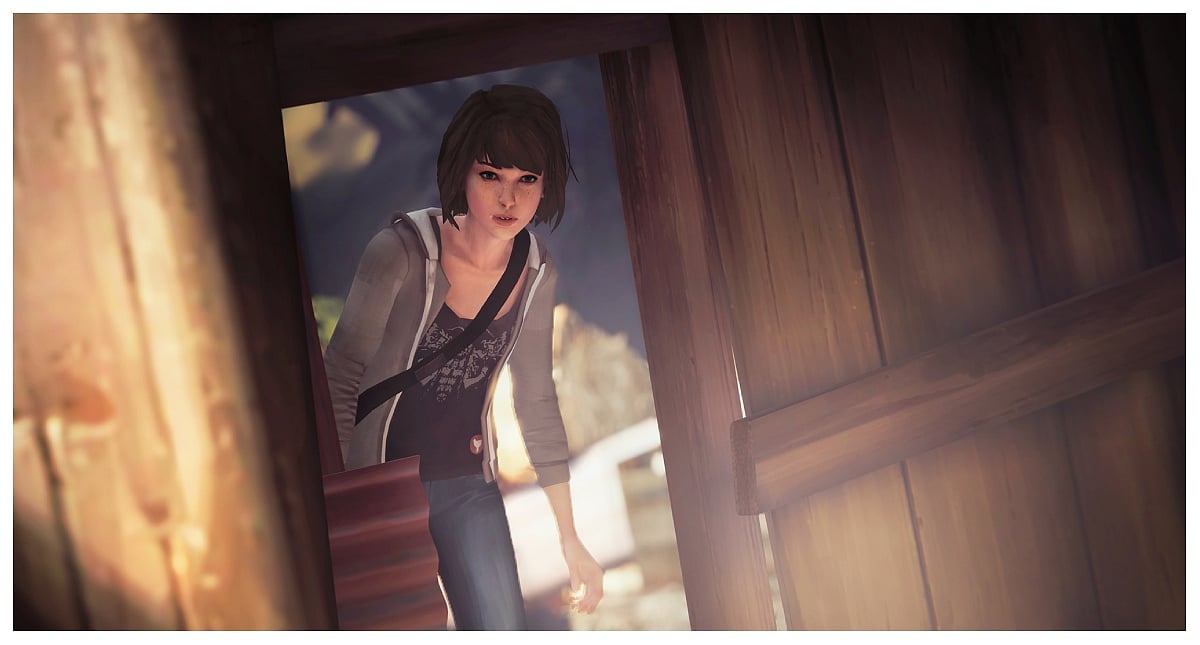
Behind this massive shortfall is a string of critically appreciated but commercially disappointing releases. The studio has struggled to find a bonafide hit in recent years to offset rising operational costs. Despite heavy anticipation, February 2025's Lost Records: Bloom & Rage underperformed at the checkout. This slump continued with April 2026's sci-fi action adventure Aphelion, compounding the disappointing financial returns of older favorites like Jusant, Harmony: The Fall of Reverie, and Banishers: Ghosts of New Eden.
Steam
Tencent Declines Short-Term Capital Increase
Making matters substantially worse is the sudden retreat of the studio's largest backer. The Chinese tech conglomerate Tencent, which owns a 41.9% stake and holds 33.5% of the voting rights, has officially refused to open its wallet. Auditors revealed that Tencent declined to subscribe to a short-term capital increase or co-finance the developer's upcoming games through co-production agreements, abruptly cutting off what many assumed would be a reliable safety net, as reported by IGN.
The desperate search for alternatives has, so far, come up empty. In their report, auditors noted that Don't Nod's chairman has spent several months pitching to major players in the video game industry, but those discussions have not resulted in any structured financing offers. The official report warned that without immediate external funding or massive cost savings, these combined factors "are likely to jeopardize the continued operation of your company."
To keep the doors open and avoid shutting down entirely, Don't Nod is now exploring a handful of final emergency measures. Leadership is considering pivoting staff to work-for-hire subcontracting jobs to generate quick, reliable revenue by working on external brands. They are also looking at drastic budget cuts to the internal title, currently dubbed Project P14, in hopes of rushing it to an early 2027 release date.
The developer's fate may finally be decided at a highly anticipated shareholder presentation scheduled for mid-June 2026. The meeting is expected to lay out a definitive restructuring plan, which could involve massive operational cuts, asset sales, or a miraculous new partner.
For now, Don't Nod's predicament serves as a sobering reminder of the current state of the wider gaming industry. In a landscape plagued by widespread layoffs and likely studio closures at massive parent companies like Microsoft, even beloved, narrative-driven mid-sized developers are facing harsh consequences when major releases stumble, and parent investors decline to step in.

Author
Krishna Goswami is a content writer at Outlook India, where she delves into the vibrant worlds of pop culture, gaming, and esports. A graduate of the Indian Institute of Mass Communication (IIMC) with a PG Diploma in English Journalism, she brings a strong journalistic foundation to her work. Her prior newsroom experience equips her to deliver sharp, insightful, and engaging content on the latest trends in the digital world.
Krishna Goswami is a content writer at Outlook India, where she delves into the vibrant worlds of pop culture, gaming, and esports. A graduate of the Indian Institute of Mass Communication (IIMC) with a PG Diploma in English Journalism, she brings a strong journalistic foundation to her work. Her prior newsroom experience equips her to deliver sharp, insightful, and engaging content on the latest trends in the digital world.



Related Articles