





UK Ad Watchdog Orders Better Loot Box Disclosures
UK Ad Watchdog Orders Better Loot Box Disclosures
UK Enforcement Notice and New York lawsuit escalate global scrutiny of loot boxes in mobile games and Valve titles.

Highlights
- The UK issues an Enforcement Notice requiring clear loot box disclosures.
- A three-month compliance period before May 26, 2026, monitoring begins.
- New York sues Valve over alleged illegal gambling in loot boxes.
The UK advertising regulator has issued an Enforcement Notice targeting loot boxes in mobile games, ordering clearer disclosures on app store listings. The notice was published Feb 26, 2026, by the Committee of Advertising Practice (CAP) under the oversight of the Advertising Standards Authority (ASA). It applies to listings on the Apple App Store and Google Play Store that fall within the CAP Code’s remit.
Developers and publishers have three months to comply before active monitoring begins on May 26, 2026.
The ASA stated it has identified app store listings that failed to disclose loot boxes and warned companies to “get their houses in order.” Non-compliance could result in formal investigations and advertising bans.
Loot Box Disclosure Rules Tightened for App Stores
The Enforcement Notice covers mobile games containing loot boxes purchasable with real money or paid virtual currency.
Regulators mentioned consumers must know before downloading or purchasing whether a game includes loot boxes. Simple wording such as “contains loot boxes” or “includes random-item purchases” is likely sufficient. However, it must appear prominently, for example, at the top of the “About this game” section.
Companies must not rely on users scrolling through lengthy descriptions or on generic labels like “offers in-app purchases.”
The ASA and CAP first introduced guidance on in-game purchases in September 2021 and reviewed it in May 2024. They updated the loot box guidance again in 2025 to address disclosure of cost, presence, and gameplay impact.
The regulator noted app store listings are the “final point of decision before a game is downloaded.”

Counter-Strike 2
New York Lawsuit Alleges Illegal Gambling by Valve
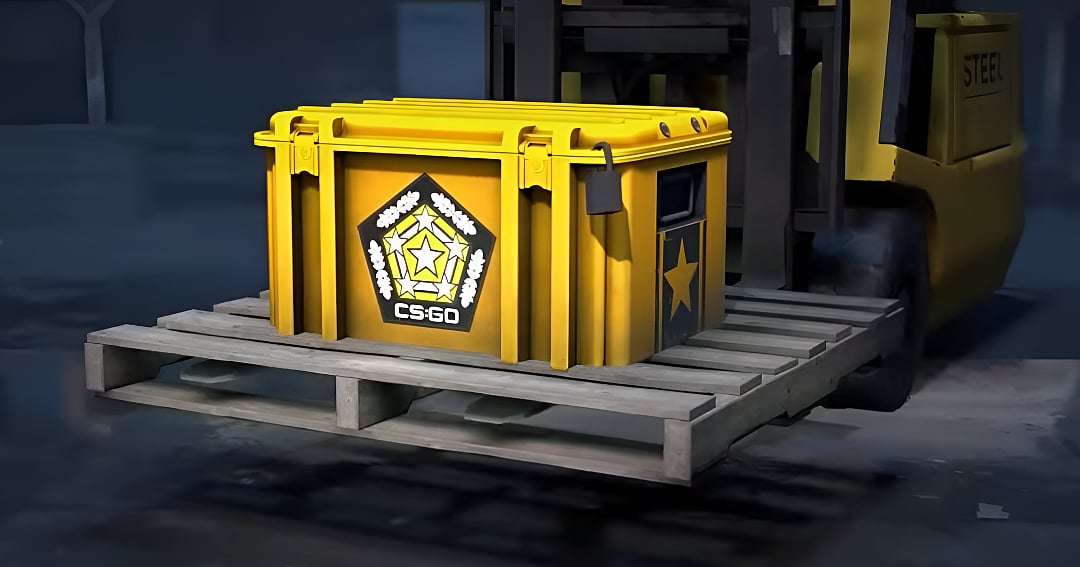
A day earlier, New York Attorney General, Letitia James sued Valve Corporation, alleging loot boxes in Counter-Strike 2, Team Fortress 2, and Dota 2 violate state gambling laws. The lawsuit claims the systems resemble slot machines and have generated billions. It alleges they encourage users, including minors, to pay for randomized virtual items that can be sold online. One item has reportedly exceeded $1 million USD in resale value.
The market for Counter-Strike skins surpassed $4.3B in March 2025.
James said, “Illegal gambling can be harmful and lead to serious addiction problems, especially for our young people.” The lawsuit seeks to stop the alleged conduct and recover disgorgement and fines.
Together, the UK enforcement action and the New York lawsuit intensify regulatory scrutiny of loot boxes across significant markets.

Author
Probaho Santra is a content writer at Outlook India with a master’s degree in journalism. Outside work, he enjoys photography, exploring new tech trends, and staying connected with the esports world.




Related Articles