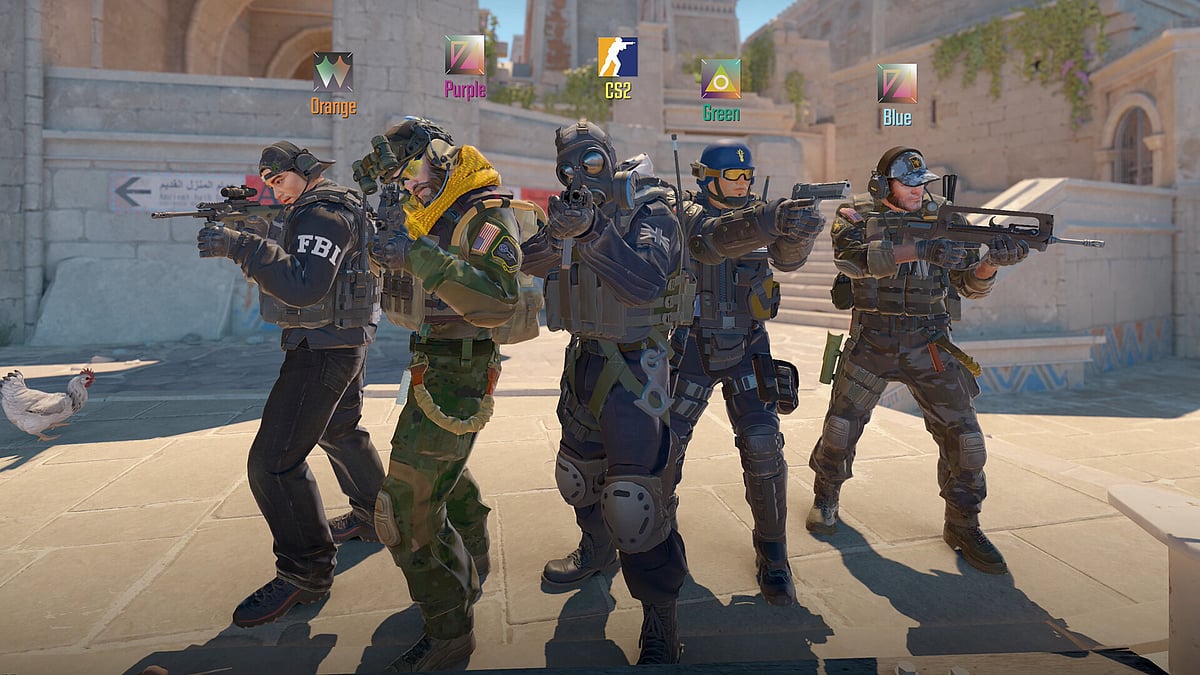
Counter-Strike 2 is at the center of New York's lawsuit against Valve over loot box gambling. (Image credit: Valve)
New York Sues Valve, Calls CS2 & Dota Loot Boxes Illegal Gambling
Attorney General Letitia James targets Steam's $4.3 billion skin economy in a 52-page complaint that could reshape how video games make money.

Highlights
- AG Letitia James accuses Valve of running "illegal gambling" through CS2, Dota 2, and TF2 loot boxes in a 52-page Manhattan court filing.
- The suit targets Steam's $4.3 billion skin economy, alleging randomized crates violate New York's Constitution and Penal Law.
- New York seeks a permanent injunction, player restitution, and a fine of three times Valve's profits from loot boxes.
New York Attorney General Letitia James is suing Valve Corporation, accusing the company of running an illegal, unregulated gambling operation aimed at young players. The 52-page complaint, filed in New York State Supreme Court in Manhattan on February 25, targets the "loot box" mechanics in Counter-Strike 2, Dota 2, and Team Fortress 2.
The state's argument is direct: these randomized digital crates amount to "quintessential gambling." Kids and teenagers pay real money for a chance to win virtual prizes of wildly varying value. That, New York says, violates the state's Constitution and Penal Law.

"Illegal gambling can be harmful and lead to serious addiction problems, especially for our young people."- Letitia James, New York Attorney General
The mechanics work like this: players earn locked crates through normal gameplay. Opening one requires buying a digital key from Valve. Purchasing a key triggers an animated spinning wheel that lands on a randomized item. Investigators say Valve intentionally makes certain items far rarer than others to inflate their perceived worth.
How Valve built a $4.3 billion skin economy on Steam
The items inside these crates are custom weapon skins. They offer zero tactical advantage in gameplay. But they have created a massive secondary economy. By March 2025, the Counter-Strike skin market alone had an estimated $4.3 billion valuation. Rare skins regularly sell for thousands of dollars; one reportedly went for over $1 million in 2024.
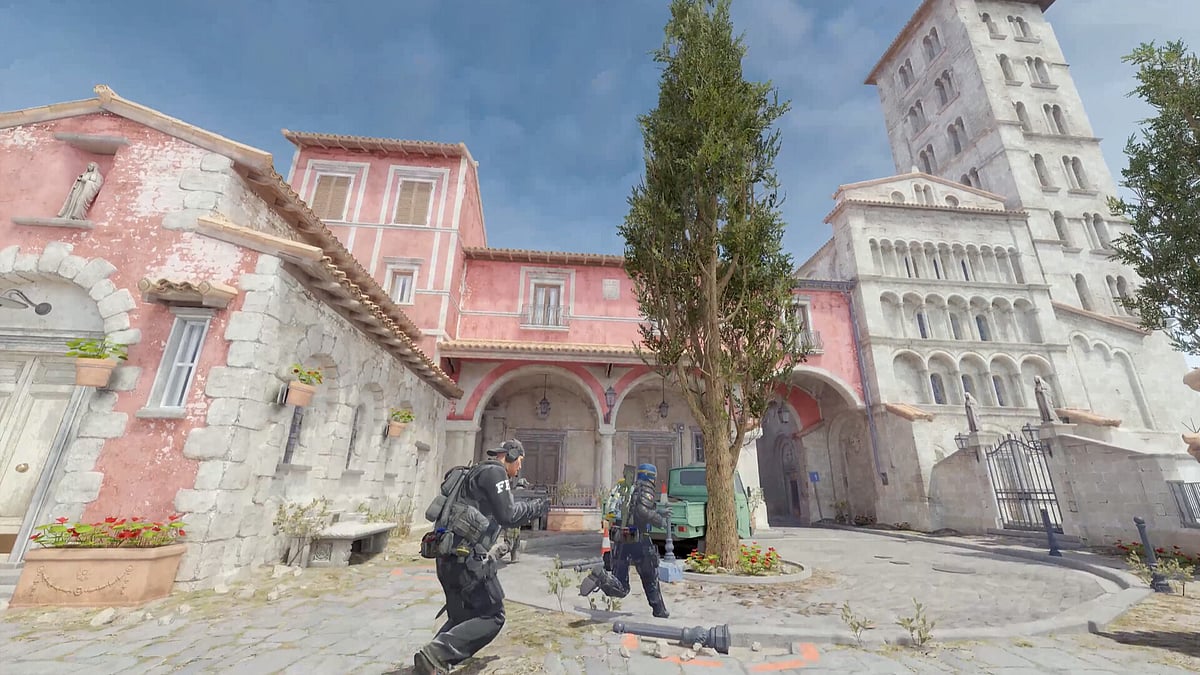
According to the OAG, Valve lets users cash in on their virtual items through two channels. Players can sell items on Valve's own Steam Community Market, using the proceeds to buy other games, hardware, or more virtual items. Alternatively, users can link their accounts to third-party marketplaces where skins sell for actual cash. The OAG's investigation found that Valve facilitates and assists these third-party marketplaces in their operations.
The suit follows a broader global pattern of regulatory scrutiny over randomized game monetization. Earlier this year, Austria's Supreme Court examined EA's FIFA loot boxes under its own gambling laws. And Valve has already been fighting legal battles on other fronts: the company recently won a separate patent lawsuit brought by Leigh Rothschild over Steam's digital distribution technology.

Why loot boxes are a gateway to gambling addiction in children
The human cost is what drives the AG's aggressive posture. The complaint asserts that young users with limited funds are "easily enticed" by these mechanics, spending money hoping to land a valuable virtual item.
The long-term data is grim. Research cited in the complaint shows children introduced to gambling at a young age are four times more likely to develop a gambling problem later in life compared to those who are not. The suit also argues that Valve's promotion of games featuring guns and violence compounds the problem.
Beyond addiction, the skin economy has attracted criminal activity. The OAG cites hundreds of thousands of theft reports as hackers target players' digital inventories.
What New York wants from Valve and what it means for gaming
New York is demanding a permanent injunction banning loot box mechanics within the state, prohibiting Valve from promoting gambling features, restitution and damages for affected players, disgorgement of profits, and a fine equal to three times Valve's gains from the practices.
This is not the first time regulators have gone after loot boxes. In early 2025, the FTC fined Genshin Impact developer Cognosphere $20 million for selling loot boxes to children under 16. (The franchise has since expanded into other media, with ufotable confirming a Genshin Impact anime adaptation for 2027.)
If New York secures a ruling against Valve, the ripple effects could force the entire video game industry to rethink how its biggest titles make money.

Author
Krishna Goswami is a content writer at Outlook India, where she delves into the vibrant worlds of pop culture, gaming, and esports. A graduate of the Indian Institute of Mass Communication (IIMC) with a PG Diploma in English Journalism, she brings a strong journalistic foundation to her work. Her prior newsroom experience equips her to deliver sharp, insightful, and engaging content on the latest trends in the digital world.
Krishna Goswami is a content writer at Outlook India, where she delves into the vibrant worlds of pop culture, gaming, and esports. A graduate of the Indian Institute of Mass Communication (IIMC) with a PG Diploma in English Journalism, she brings a strong journalistic foundation to her work. Her prior newsroom experience equips her to deliver sharp, insightful, and engaging content on the latest trends in the digital world.