




Biggest Winners and Losers of Q2 2025 in Gaming
Biggest Winners and Losers of Q2 2025 in Gaming

Highlights
- Nintendo’s Switch 2 launch in Q2 2025 shattered records, selling nearly 6 million units in under two months, driving revenue up 132% to $3.8 billion.
- Robust user growth helped Roblox and Tencent increase revenues substantially, while Krafton and EA showed strong IP-driven and AI-enhanced performance.
- Ubisoft faced declining sales and undertook major restructuring, with Take-Two and Microsoft showing mixed results amid hardware challenges and competitive pressures.
Q2 2025 (April to June) was a defining period for the global gaming industry. While some companies celebrated strong sales and exciting launches, others faced challenges due to competition and market shifts. Here’s a look at the biggest winners and losers during this crucial quarter.
Nintendo: Switch 2 Sparks Remarkable Growth (Winner)
Nintendo took center stage in Q2 2025 thanks to the launch of its Switch 2 console on June 5. The new system quickly became the fastest-selling Nintendo console ever, with 5.82 million units sold in less than a month. This strong start helped Nintendo generate net sales of ¥572.3 billion ($3.8 billion), with overseas markets accounting for most of the business.
Software also did well, with 8.67 million game units sold, including Mario Kart World, which was often bundled with the console and sold 5.63 million copies by itself. Platform sales, including the Nintendo eShop, jumped 142.5% compared to the previous year. Even with increased spending on production and marketing, Nintendo’s operating profit rose 4% to ¥56.9 billion ($378 million), demonstrating the company’s smooth transition to next-generation hardware.
Roblox: User Growth Drives Strong Results (Winner)
Roblox continued to thrive, boosting its Q2 2025 revenue by 21% to $1.08 billion. Bookings increased even more sharply, up 51% to $1.44 billion. The platform experienced robust user engagement, with daily active users growing 41% to 111.8 million and total hours spent on the platform jumping 58%. While the company did report a small loss per share, it raised its full-year outlook, and its stock price rose about 20% after earnings.
Krafton: New Titles and Global Reach Fuel Revenue (Winner)
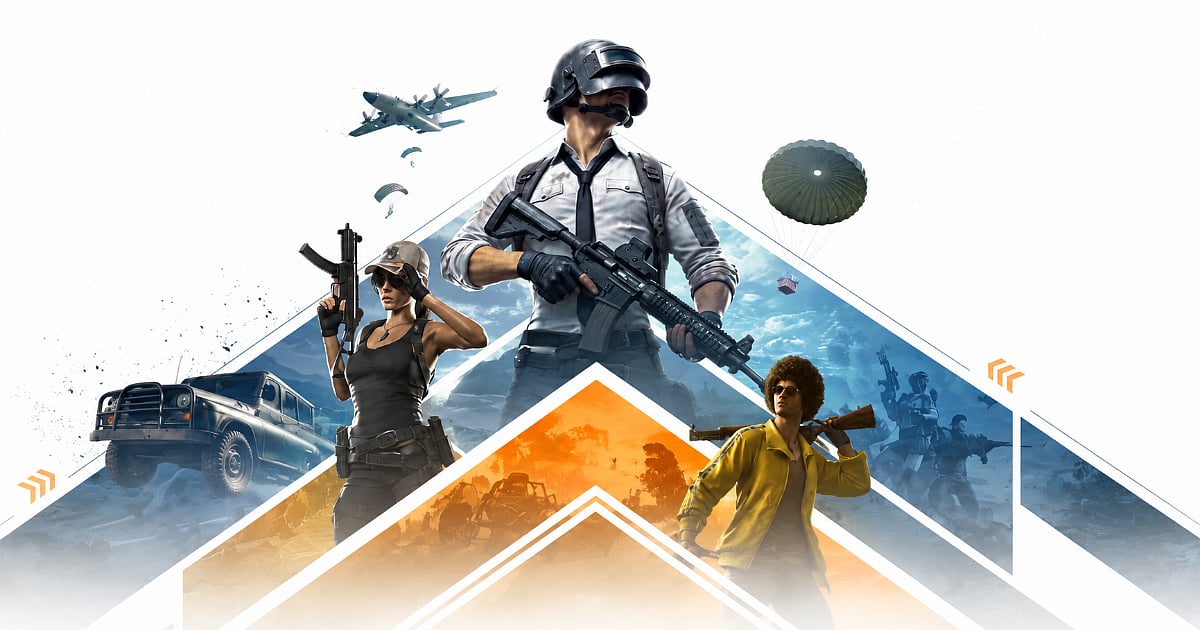
Krafton set a new record for the first half of 2025, with revenue hitting $478.6 million in Q2 with an increase of 48% compared to last year. Its mobile games brought in KRW 427.6 billion ($341 million), slightly down due to usual seasonal factors, while overall operating profit climbed 10%. The success of PUBG expansions and a new game, inZOI, helped Krafton balance growth across PC and mobile players, supported by expansion in global markets.
Tencent: AI and Games Power Double-Digit Growth (Winner)
Tencent reported impressive results with a 15% increase in total revenue to RMB 184.5 billion ($25.7 billion) in Q2 2025. Gaming revenues rose sharply both in China and internationally, up 17% and 35%, respectively. The company also invested heavily in artificial intelligence to improve advertising and marketing, spending nearly double on AI infrastructure compared to last year. Earnings were bolstered by popular titles like Delta Force and Honor of Kings, reinforcing Tencent’s position as a tech leader in gaming.
Electronic Arts: Sports and AI Boost Engagement (Winner)
EA saw a modest revenue increase of 0.7% to $1.26 billion in Q2 2025, with bookings climbing to $1.3 billion. Sports titles like College Football 25 helped drive growth, and the company reported better-than-expected profits per share. EA also credited its recent improvements in AI technology for boosting player engagement and efficiency. Confident in its outlook, the company raised expectations for the full year.
Take-Two Interactive: Slow Growth Amid Ongoing Losses (Mixed)
Take-Two’s revenue rose 4% to $1.35 billion in Q2 2025, with bookings up 2% to $1.47 billion, hitting the top of its forecast range. However, the company’s net losses widened to $365.5 million, though this was an improvement from prior losses. Strong sales came mainly from popular franchises like Grand Theft Auto and Borderlands, but rising costs and expenses limited overall profitability. Take-Two remains focused on new major game releases expected later in the year.
Microsoft (Xbox): Content Grows While Hardware Declines (Mixed)
Microsoft’s gaming revenue fell 7% year-over-year to about $5.72 billion in Q2 2025, weighed down by a significant drop in Xbox hardware sales (down between 6% and 29%). However, its Xbox Game Pass and other digital content services grew by 8% to 13%, softening the blow. Overall, Microsoft’s gaming business remains strong, but the hardware side is showing signs of saturation in a competitive market with Sony and Nintendo outperforming Microsoft in the segment.
Ubisoft: Sales Drop and Major Restructuring (Loser)
Ubisoft faced a tough quarter, with Q2 net bookings down 2.9% to €281.6 million ($305 million) and revenue down 3.9% to €310.8 million ($337 million). While some older games saw modest gains, major releases like Star Wars Outlaws and Rainbow Six Siege underperformed. The company posted a net loss of €159 million ($172 million) and reported mixed responses to its games. In response, Ubisoft is reorganizing its teams into smaller creative groups called “Creative Houses” in an effort to improve future performance. Though it expects slightly better bookings in the next quarter, the company continues to underperform compared to its competition.

Author
Abhimannu Das is a web journalist at Outlook India with a focus on Indian pop culture, gaming, and esports. He has over 10 years of journalistic experience and over 3,500 articles that include industry deep dives, interviews, and SEO content. He has worked on a myriad of games and their ecosystems, including Valorant, Overwatch, and Apex Legends.
Abhimannu Das is a web journalist at Outlook India with a focus on Indian pop culture, gaming, and esports. He has over 10 years of journalistic experience and over 3,500 articles that include industry deep dives, interviews, and SEO content. He has worked on a myriad of games and their ecosystems, including Valorant, Overwatch, and Apex Legends.