




World of Warcraft
Ghosts in Machine: Standalone RTS, MMORPGs Stagnate as UGC Booms
Classic RTS and MMORPGs struggle in standalone form amid high costs and player shifts, while the genres thrive in UGCs.

Highlights
- Standalone RTS and traditional MMORPGs see few hits post-2010 due to budgets, competition, and habit changes.
- New releases like Stormgate and New World had successful launches but lost over 90% players in months.
- UGC worlds on Roblox and Fortnite thrive with low risk, drawing younger crowds and billions in engagement.
Massively Multiplayer Online Role-Playing Games (MMORPGs) and Real-Time Strategy (RTS) games once defined PC gaming. They demanded time, built communities, and became the only games many players touched. That model seems to be fading away for publishers.
Recent standalone releases show the strain. Stormgate launched with strong interest but struggles to retain players. New World peaked early before declining as friction set in. High development costs and shifting player habits have made publishers more cautious about investing in these genres as full-scale products.
The demand, however, has not disappeared. It has simply moved. On platforms like Roblox, players engage with MMORPG and RTS mechanics through user-generated content (UGC). These platforms allow faster iteration, easier discovery, and flexible play sessions.
The genres are not dying. Standalone titles are losing ground to UGC ecosystems that deliver the same experiences with less commitment and more adaptability.
The Quiet Fade of MMORPGs and RTS Games
RTS games lit up dorm rooms and LAN cafes back in the 1990s, as Command & Conquer delivered gritty wars that sold millions of copies worldwide. StarCraft forged esports legends across South Korean PC bangs, while Age of Empires let players build civilizations one villager at a time. Warcraft III mixed strategy with hero flair and sparked the rise of Multiplayer Online Battle Arenas (MOBAs) from its custom maps. Players mastered macro management, micro battles, and split-second decisions in these titles, fueling sales charts, and communities thrived on mods and tournaments.
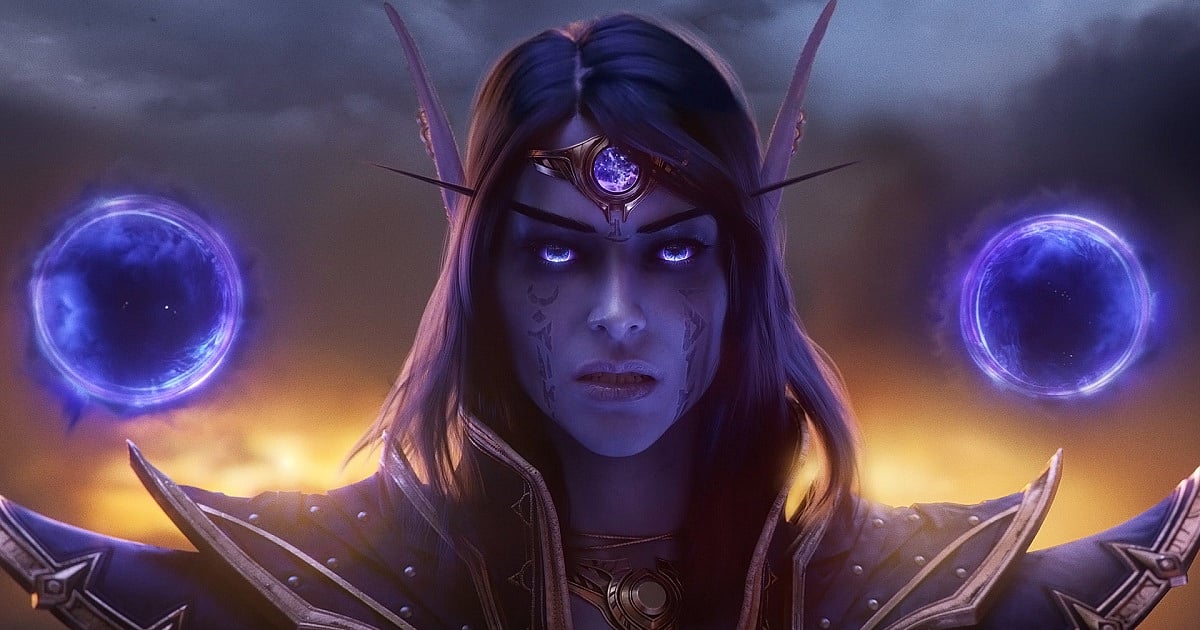
MMORPGs built massive worlds in parallel. EverQuest pioneered persistent realms in 1999. World of Warcraft burst onto the scene in 2004 and drew 12M subscribers by 2010 through raids, player-versus-player (PvP) battlegrounds, and deep class fantasies that hook adventurers for years. Final Fantasy XIV rose from early struggles to claim a solid place among 2026 mainstays with polished storytelling and group content.
However, the genres slowly lost their glory. Studios like Ensemble and Gas Powered Games closed down amid mounting challenges to keep their games profitable. MOBAs such as League of Legends pulled in RTS fans with smoother entry points, which made the RTS genre drop in popularity.
Veteran MMORPGs like World of Warcraft, Final Fantasy XIV, and RuneScape continue to pull in players. However, a lot of it likely has to do with player loyalty, as new games entering the MMORPG space simply didn’t last. New World sheds 90% of players shortly after launch. Lost Ark brought in impressive concurrent player counts, then dimmed outside Asia. Data from Steam Charts and MMO-Population reveal 80 to 90% drop-offs within months in these cases.
Why the Genres are Failing
Standalone RTS titles demand flawless execution across campaigns and multiplayer. Games like Stormgate and Homeworld 3 earned positive reviews, but they barely moved copies. MOBAs and auto-battlers like Teamfight Tactics claimed the space with approachable designs, while grand strategy games such as Total War deliver depth absent the real-time rush.
MMORPG development piles on bigger hurdles. Teams invest millions to sustain servers, balance classes, and roll out endless patches for persistent worlds. Subscriptions compete poorly against free-to-play models laced with battle passes that spark initial engagement but breed fatigue over time.
Major publishers also prioritize safer bets. EA and Activision build battle royales like Apex Legends, live shooters such as Overwatch, or narrative-driven series like Assassin's Creed. Indies experiment with blends like Dune: Awakening that mix MMO elements with survival hooks, but few achieve broad scale.
Accessibility challenges persist at the core. RTS games can deliver precise controls only on PC, which cuts it out from the console crowd. MMORPGs are notoriously time-consuming, which may have a role to play in pulling in active players. Co-op successes like Palworld, with 25 million sales, or extraction shooters capture social energy through shorter, flexible sessions.
UGCs are Keeping RTS and MMORPG Games Alive
UGC platforms breathe fresh energy into familiar mechanics. Roblox reached 80M daily users and directed $1B to creators in 2025 through simple revenue shares. Developers have access to free tools, algorithms drive discovery, and friend networks spread experiences without needing marketing budgets.
RTS games have found strong ground in this space. "The Conquerors" experience on Roblox draws 10K-plus concurrent players into StarCraft-style sieges adapted for mobile play, as tower defense maps grow into sprawling wars. Creators adjust the balance every week based on direct player input.
MMORPG elements flourish alongside RTS games. Roblox roleplay servers build grand experiences with raids that evoke WoW-style hubs without subscription walls. Minecraft modded realms pull in 100K-plus players for guild-driven quests across custom landscapes. These mechanics hook younger generations easily, as the games are easy to get into and free.
UGC revenue streams sustain niche creators effectively. Polish varies across different experiences, and Robux economies shape monetization, but the sheer player volume ensures millions engage while developers earn steadily. These platforms serve as incubators where developers can test out mechanics and potentially turn them into standalone titles.
Will RTS and MMORPGs Return to Their Glory Days?
RTS and MMORPGs are unlikely to return in their original form, and that expectation may be the problem. The conditions that sustained their peak, long uninterrupted play sessions and limited competition for attention, no longer exist at scale.
Studios are actively deconstructing these genres and rebuilding them around modern consumption patterns. RTS systems are being folded into shorter session loops in MOBAs, while MMORPG progression is being reimagined through instanced, flexible experiences that respect player time. Projects like Stormgate, Riot’s canceled MMO, and Ashes of Creation reflect this transition, and we are unlikely to return to the old days.
User-generated content ecosystems add another layer. They lower the barrier to experimentation, allowing smaller teams or even individuals to test genre variants rapidly. This creates volatility in quality, but also increases the probability of innovation. A breakout success is more likely to emerge from an experimental project on Roblox than a traditional AAA title, which is likely to attempt something safe.
The future of RTS and MMORPGs is uncertain. They will persist as systems embedded within broader experiences rather than as monolithic genres like they used to be. The audience of these titles has diversified, and the genres are adapting accordingly.

Author
Abhimannu Das is a web journalist at Outlook India with a focus on Indian pop culture, gaming, and esports. He has over 10 years of journalistic experience and over 3,500 articles that include industry deep dives, interviews, and SEO content. He has worked on a myriad of games and their ecosystems, including Valorant, Overwatch, and Apex Legends.
Abhimannu Das is a web journalist at Outlook India with a focus on Indian pop culture, gaming, and esports. He has over 10 years of journalistic experience and over 3,500 articles that include industry deep dives, interviews, and SEO content. He has worked on a myriad of games and their ecosystems, including Valorant, Overwatch, and Apex Legends.