




South Korea Turns Gaming Into a Growth Engine
How South Korea Turned Gaming Into a National Growth Engine
From moral policing to esports powerhouse, policy shifts and new infrastructure reshaped the gaming industry in South Korea

Highlights
- South Korea’s gaming industry grew into a ₩22.9T (~$17B) export engine, driven by strong policy support, broadband infrastructure, and esports dominance.
- Once restricted by the shutdown law, gaming is now backed by the state as a core cultural export, alongside K-pop and film.
- Esports training academies, leagues, and jobs have created a structured gaming employment pipeline, making Korea a global esports powerhouse.
South Korea’s video game sector has undergone a significant transformation over the past decade, shifting from being perceived as a social risk to becoming one of the nation's most important cultural and economic sectors. Today, gaming is a rapidly expanding export industry and a fundamental component of Korea's global soft power, alongside K-pop and other cultural sectors.
According to data cited by The Guardian, South Korea’s domestic game market grew nearly 47% between 2019 and 2023, reaching about ₩22.9 trillion won (~$17 billion USD), while game exports rose more than 41% in the same period. That growth has placed South Korea among the world’s top four gaming markets by revenue, behind only China, the United States, and Japan.
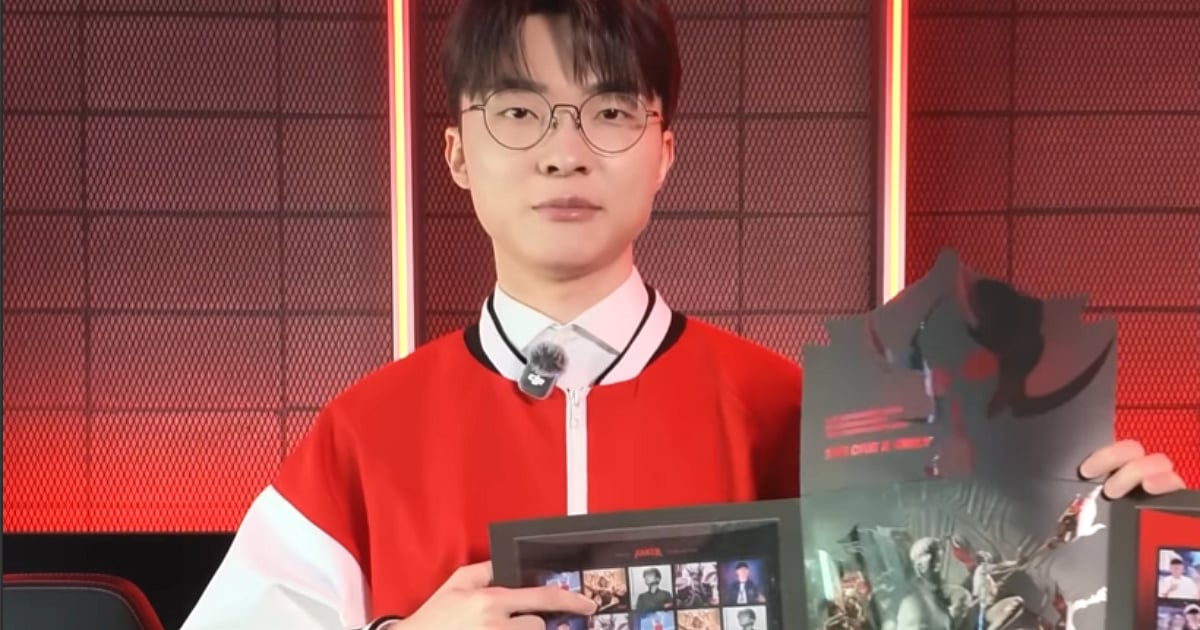
Esports has been a key to that rise. Competitive gaming leagues now draw broadcast-scale audiences, fill stadiums, and generate steady employment beyond official tournaments. Korean teams such as T1 and Gen.G have been continuing to dominate international competitions, particularly in titles like League of Legends, reinforcing the country’s reputation as a recognized esports ecosystem.
Gaming in South Korea: From Stigma to State-Backed Strategy
In the early 2010s, gaming in South Korea was widely stigmatized. The now-repealed “shutdown law,” which restricted late-night play for minors, underscored the state’s earlier intervention to stop gaming culture.
In 2013, South Korea’s legislative push tried to position gaming as potentially antisocial, and one of four major addictions alongside gambling, drugs, and alcohol. However, the strong growth of the industry changed views surrounding gaming. Finally, in October 2025, President Lee Jae Myung declared that instead of being “addictive substances,” games are “a truly authentic export.”
The pivot began not with a regulatory approach alone, but with infrastructure. Heavy public investment in broadband since the late 1990s laid the groundwork for PC bang culture. It facilitated networked gaming cafés that became social hubs and incubators for competitive play. In the late 2000s, tech companies such as SK Telecom, Samsung, and KT began endorsing and promoting esports.
As outlined by The Guardian, roughly 7,800 internet cafés operate nationwide, along with state-sponsored coaching centres and “healing centres.” The seven state-aided “healing centers” work with hospitals to offer consultations for problematic gaming behaviour.
This evolution coincided with concrete economic results. The gaming and esports industry is now facilitating professional work opportunities, and students are increasingly getting involved, albeit with bottleneck competition. Several schools and universities in South Korea are also offering esports-focused modules and gaming-related degrees to bring gaming within the core of academia and help the youth advance towards a career in this industry.
South Korea: Esports as Employment Pipeline
Esports, in particular, has become a structured employment engine, with top-tier players earning as much as six-figure USD through a composite salary structure. Training facilities receive similar treatment to any other elite sports. Beyond elite players, leagues require trainers, data analysts, sports psychologists, and nutritionists, which has provided more career opportunities surrounding the field.
The demand and high competition have also led to the rise of professional training facilities. A prominent example is the training infrastructure built by Nongshim Esports in Seoul, which offers dorm facilities, coaching, and structured development programs. The facility has produced 42 professional players since its inauguration in 2018.
However, the Nongshim Esports CEO, Evans Oh, has highlighted the intense competition, stating that only 1-2% of the trainees become professionals or secure related jobs. In a similar vein, the secretary-general of League of Legends Champions Korea (LCK), Aiden Lee, emphasized that Korean pro players practice almost 16 hours a day, highlighting the amount of concentration and hard work required in the professional field.
Apart from high competition, esports training is also costly. The Nongshim Esports academy charges about ₩500K (~$347.85) for 20 hours of training a month. The report from The Guardian also highlights that the esports-career route mostly ends before 30, which is cut even shorter due to South Korea’s mandatory military service.
Despite the limitations, South Korea’s youths are invested in building a career through esports and gaming; however, some often opt for a different backup degree in college. According to a recent survey, “professional gamer” ranked as the fifth most desired job among elementary school boys.
The gaming industry’s growth in South Korea highlights a rocky path from social stigma to revenue engine. The country's gaming market is projected at $14.6B revenue by 2025 and has become a reference point for other countries seeking to regulate, monetize, and legitimize gaming.

Author
Kamalikaa Biswas is a content writer at Outlook Respawn specializing in pop culture. She holds a Master's in English Literature from University of Delhi and leverages her media industry experience to deliver insightful content on the latest youth culture trends.