




ELE Animation Founder on India Animation Industry Reset
ELE Animations Founder Dissects Indian Animation Industry Reset
Durga Prasad Dalai, ELE Animations Founder, on storytelling gaps, AI-risk, and policy support for India’s animation industry

Highlights
- The Indian animation industry requires globally resonant storytelling, says ELE Animation Founder Durga Prasad Dalai.
- The founder highlights teen market gaps, post-pandemic pressures, and AI-driven job disruption.
- Government-backed AVGC-XR policy offers support, but studios must evolve formats to compete globally.
India has slowly become one of the largest consumer markets for animated content, but the country’s production pipeline has fallen short in reaching the global audience. ELE Animations founder, Durga Prasad Dalai, recently discussed a deeper structural issue within the Indian animation industry that has limited its visibility among mainstream audiences.
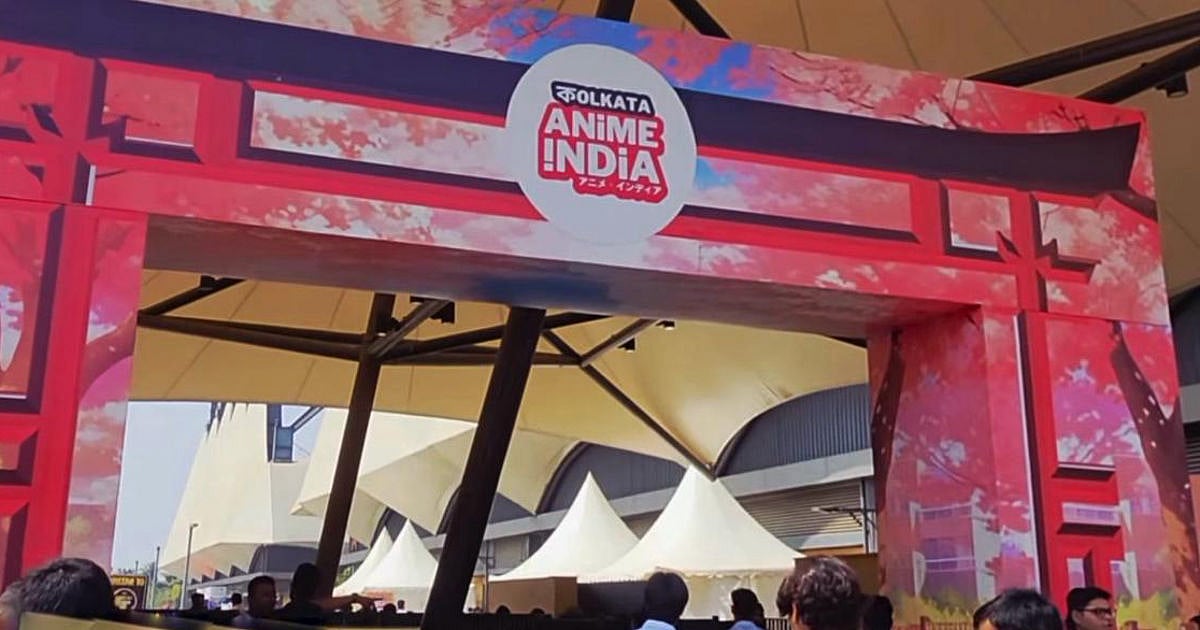
In an interview with Outlook Respawn at Anime India Kolkata 2026, Dalai said the main challenge for Indian animation studios is not only technical capability, but the ability to communicate with global viewers. “I think there is some gap between Indian storytelling, Indian content making, and global storytelling,” he said, pointing towards a gap between Indian content creation approaches and internationally resonant narratives.
Dalai and ELE Animations studio attended the latest Anime India edition on Feb 14-15, 2026. He attended the convention to study audience behavior and understand the scope of Indian animation among the country’s current anime-focused audience. The studio is currently producing Jay Jagannath, a successful animated series in multiple regional languages.
ELE Animations Founder on Storytelling Gap and Structural Pressures for Indian Animation
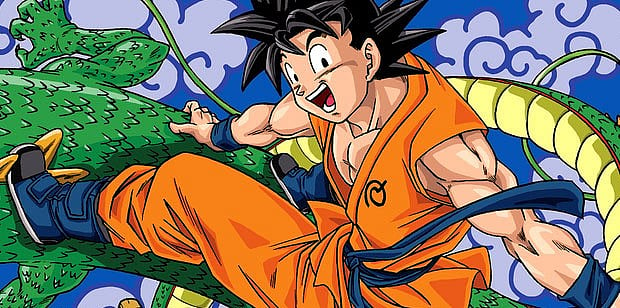
Dalai argued that the industry’s long-standing focus on children’s programming created a market gap, now occupied by imported animated content, mainly Japanese anime. For a long time, Indian producers focused on kids up to eight-nine years old, he said.
As per Dalai’s statement, there was a market gap for teens in India until anime consumption boomed and producers didn’t realize that this market existed. He also emphasized that if India aims to “reach a global audience, the storytelling has to be global,” instead of focusing on a particular segment of society.
According to him, the challenge extends beyond storytelling approaches. Dalai described the animation sector as facing a series of restraints since the pandemic. “A lot of production houses have been shut down, or there are a lot of cost-cutting,” he stated, which has also resulted in a lack of professional opportunities for the Indian youth.
Artificial intelligence adds another layer of disruption to the production pipeline. “The kind of work a hundred people, a team, used to do will probably require only five or six people,” he mentioned, while discussing the structural pressure on the Indian animation industry right now.
Adapting to Audience Behaviour and Global Formats for Indian Animation
Dalai marked events like Anime India as observational platforms rather than purely being promotional tours. “It is basically a good environment for us to understand the audience behavior, understand the teens,” emphasized the founder. He noted that creators must study and understand emerging consumption habits before developing new projects.
His statements imply that Indian animation may need to rethink its format rather than imitate Japanese anime directly. He emphasized that to keep up with the changing times for animation, “we have to come up with good storytelling and good content,” while keeping market behaviour in mind.
He highlighted that it is “a good sign” that new markets are opening due to the emergence of anime. “This will help upcoming producers, upcoming animation content creators,” to focus on this market that produces cross-generational animation content.
Policy Support and the Industry Outlook According to Durga Prasad Dalai
Dalai described recent government measures for the AVGC-XR sector as encouraging during a difficult period for the Indian animation sector. He referenced policy initiatives and funding support, including allocations of roughly ₹250 Cr. ($27.57 million USD) in the Union Budget 2026, aimed at the broader “orange economy.”
“It is a positive sign,” he said, hinting that government support may foster the sector’s growth. He also added that public support will not resolve the sector’s problems; studios must evolve alongside policy. Lastly, he stated, with these approaches, it could be a win-win situation for producers, industry professionals, and the audience.
Dalai’s arguments indicate the industry’s future depends on transitioning from children’s television production toward internationally resonating storytelling covering all age groups. This approach aligns with comments from Anime India organizers, who have framed the convention as a bridge between fandom and creation, encouraging domestic artists to develop original narratives rather than remaining consumers of imported media.

Author
Kamalikaa Biswas is a content writer at Outlook Respawn specializing in pop culture. She holds a Master's in English Literature from University of Delhi and leverages her media industry experience to deliver insightful content on the latest youth culture trends.


Related Articles