




Highlights
- Meta released Pocket, an app using vibe coding to let anyone build AI games.
- Acquired from Gizmo, the platform enables users to share and remix mini-games via a social feed.
- Currently in soft-launch, the tool expands Meta’s suite of generative AI creative products.
Imagine just typing what you want to play, and an artificial intelligence instantly builds it for you on the spot. That is the reality of Pocket, a brand-new experimental mobile app that Meta quietly dropped on the Apple App Store and Google Play on June 29, 2026. Without any flashy launch events or grand press releases, the social media giant has introduced a platform where anyone can build, play, and share short interactive mini-games using nothing more than everyday language.
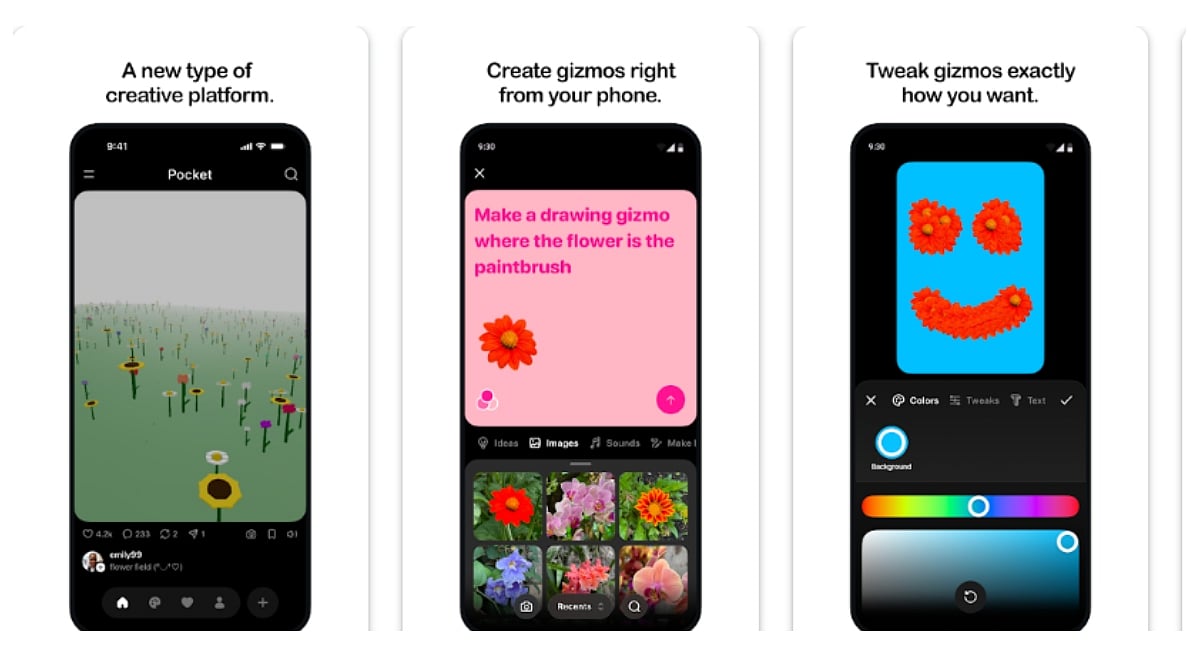
By completely bypassing complex code and technical game engines, Meta is making a massive, accessible leap into AI-generated interactive entertainment. The magic behind Pocket relies on a booming tech trend known as vibe coding. Instead of getting bogged down in software mechanics and programming languages, creators simply chat with the AI about the atmosphere, rules, and goals of their game. Inside the app, these bite-sized, user-generated micro-games are officially called gizmos.
You could type a short prompt asking for a custom drawing game where a blooming flower acts as your paintbrush, or a physics-based obstacle course controlled entirely by tilting your phone. In seconds, the AI delivers an interactive game that responds to touch, device sensors, sound effects, and even live camera feeds.
Once created, these gizmos go live on a TikTok-style scrollable social feed where players around the world can test, like, and remix games. This seamless game-making tool did not materialize out of thin air. Industry trackers reveal that Pocket is the direct evolution of Meta's quiet acquisition of an AI startup called Gizmo, as reported by Techcrunch.
Alessandro Paluzzi, a well-known reverse engineer and regular spotter of new app features, was the first to notice Pocket's debut after sharing a Play Store screenshot of the app on X. Reports from tech outlets, including Business Insider and Investing.com, quickly followed Paluzzi’s discovery, noting strong visual and functional similarities between Pocket and the original Gizmo platform.
App Store Data and Indie Roots
App intelligence firm Appfigures confirmed the stealth June 29 release date and highlighted that the original standalone Gizmo app was already a massive hit among casual creators. The indie platform had accumulated 635,000 lifetime installs across iOS and Android before Meta absorbed the team, while boasting an overwhelming 98% positive sentiment rating from a user base hungry for bite-sized, AI-generated games. In a nod to its indie roots, tech reporters noticed that Pocket’s underlying Android package name still retains its original branding as com.facebook.gizmo.
Pocket is just one piece of Meta’s ambitious puzzle to make generative AI a daily habit for mainstream consumers. It joins an expanding family of AI-driven creative tools, sitting right alongside the flagship Meta AI assistant, the automated video creation app Vibes, and the AI features recently baked into their creator video-editing app, Edits.
While industry investors are watching closely to see if snackable gaming apps like Pocket can generate the long-term user engagement needed to justify this immense spending in AI infrastructure, Meta still has plenty of financial room to experiment. For now, getting your hands on Pocket might require some patience. The app remains in a restricted soft-launch phase as Meta evaluates early usage, with official help pages noting that availability and features vary widely by region. App store downloads remain locked or inconsistent in several major markets, including the United States, and Meta has not yet responded to requests for comment regarding a wider global rollout.
Furthermore, Meta has been transparent that all gameplay interactions and written prompts entered into Pocket will be used to train and improve its foundational AI models. This rapid, automated generation leaves observers raising significant questions about content moderation, safety at scale, and intellectual property rights.
As early app listings lack detailed policy statements regarding content ownership, it remains unknown whether creators will ever retain rights or earn revenue from their viral gizmos, or if Pocket’s creations will eventually be integrated directly into Facebook and Instagram.