




Highlights
- Sega cancelled its $1B "Super Game" after a $31.6M FY26 net loss.
- Profitability plummeted due to a $200M Rovio impairment and weak live-service sales.
- The studio is pivoting to premium console games and legacy transmedia franchises.
Sega Sammy Holdings is officially hitting the "reset" button on its business strategy, canceling its highly anticipated "Super Game" project following a difficult financial year. The gaming giant reported a net loss of $31.6 million USD (¥5.7 billion) for the fiscal year ending March 31, 2026, signaling a major retreat from the risky world of live-service gambles. Instead of chasing the next big free-to-play hit, the company is shifting its focus back to what it does best: high-quality, full-priced console and PC games built around its most iconic characters.
The financial picture for the year was a bit of a mixed bag. While Sega saw its overall net sales grow by 13.6% to reach $3.09B (¥487.5B), its actual profitability took a hit. Operating income within the entertainment division, the heart of its video game business, dropped from $259M down to $205.5M.
This decline was largely fueled by a massive $200M impairment loss related to Rovio, the creators of Angry Birds, which Sega acquired in 2023. Additional losses from the acquisition of the online casino firm Stakelogic further weighed down the bottom line, leaving the company short of its initial profit forecasts, as per gameindustry.biz.
Rovio
Premium Game Slump & Mobile Struggles
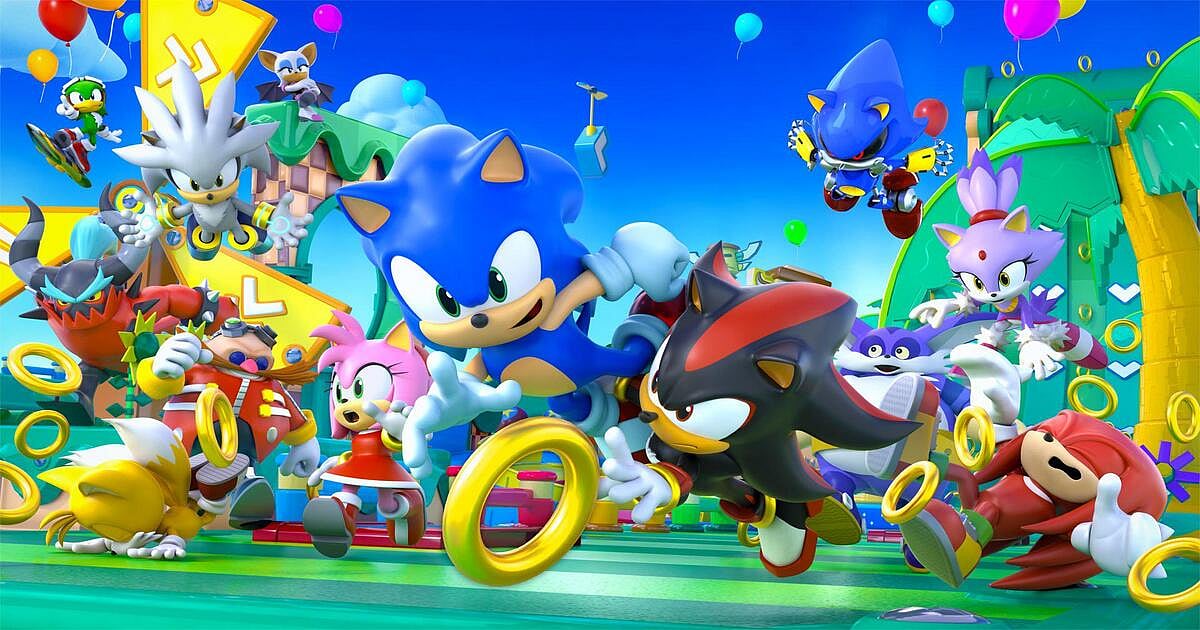
On the software side, Sega faced a "soft" performance across the board. Revenue from full-priced games fell by 12% to $426M, despite the arrival of new titles like Sonic Racing: CrossWorlds and Football Manager 26. Interestingly, while free-to-play revenue actually increased by 14% to $341.1M, individual titles didn't all land the way Sega hoped. While Persona 5: The Phantom X found its footing, the high-profile Sonic Rumble Party underperformed significantly, failing to create the "economic value" Sega expected from its big collaboration with the Rovio team.
This string of underperformances led to the definitive end of the "Super Game." First teased in 2021, the project was envisioned as a $1B investment into a "major global title" that would revolutionize the industry. By walking away now, Sega confirmed there are no additional costs associated with the cancellation, allowing them to clean the slate. The company is now reallocating more than 100 developers from the free-to-play segment back into full-game development, specifically to bolster its legendary internal franchises and ensure future hits stay on track.
Looking forward, Sega’s roadmap is all about "transmedia" and legacy. The company is doubling down on film adaptations for Sonic and Angry Birds while preparing for the return of classic series like Crazy Taxi and Jet Set Radio.
Even as Rovio undergoes its own internal restructuring to find its footing under the Sega umbrella, the goal remains to turn Angry Birds into a multimedia powerhouse on par with the Blue Blur himself. For the upcoming 2027 fiscal year, Sega is projecting sales to climb to $3.2B, betting that a return to traditional gaming excellence is the safest path back to the winner's circle.