






Epic Games uses AI to cut 10-hour manual tasks down to minutes.
Epic Games AI Strategy: Boosting Dev Productivity Over Automation
Epic Games pivots toward an AI-driven future for Unreal Engine 6, balancing a productivity-first strategy with a high-profile SAG-AFTRA lawsuit over unauthorized voice replication.

Highlights
- Epic uses AI to automate repetitive tasks, aiming to speed up development without replacing staff.
- The studio faced a SAG-AFTRA lawsuit in 2025 over AI-mimicked voices and controversial customer support chatbots.
- CEO Tim Sweeney opposes mandatory AI disclosures, positioning Epic as a leader in tech adoption.
Epic Games is officially stepping into the artificial intelligence ring, but they want players and developers to know that robots aren't here to steal their livelihoods. As the creators of Fortnite and the Unreal Engine ramp up their use of AI, the company insists that the primary goal is to make game development faster and more efficient. By utilizing these emerging tools to handle the heavy lifting of repetitive tasks, Epic hopes to allow its human workforce to stay focused on the creative aspects of game design.
During a recent panel at Gamescom Latam, Stephanie Arnette, the Senior External Development Manager for Fortnite, addressed the issue regarding widespread fears of automation. She stated clearly that while Epic has been exploring different AI tools to support their games, the ultimate goal is productivity, not replacement. According to Arnette, tasks that previously required ten hours of manual labor can now be finished in a fraction of the time.
However, this pivot comes at a highly sensitive time for the studio. Epic Games suffered mass layoffs in March, affecting over 1,000 employees, a move CEO Tim Sweeney attributed to operating costs outpacing revenue. While Arnette maintains that AI is not the cause of these staff reductions, the timing has understandably sparked skepticism among industry workers.
Arnette did admit that alongside laborious tasks, the company is also exploring AI "in the art realm." This remains a touchy subject in the gaming community. Generative AI is highly controversial, and Epic faced severe backlash in December 2025 when players accused it of using AI to generate Fortnite art assets, a claim the company vehemently denied. Currently, Epic is embedding generative tools directly into the Unreal Engine ecosystem, such as the Persona Device that enables AI-powered NPCs. Looking ahead, Unreal Engine 6 is expected to feature even more AI-assisted workflows like automated asset validation and behavior trees.
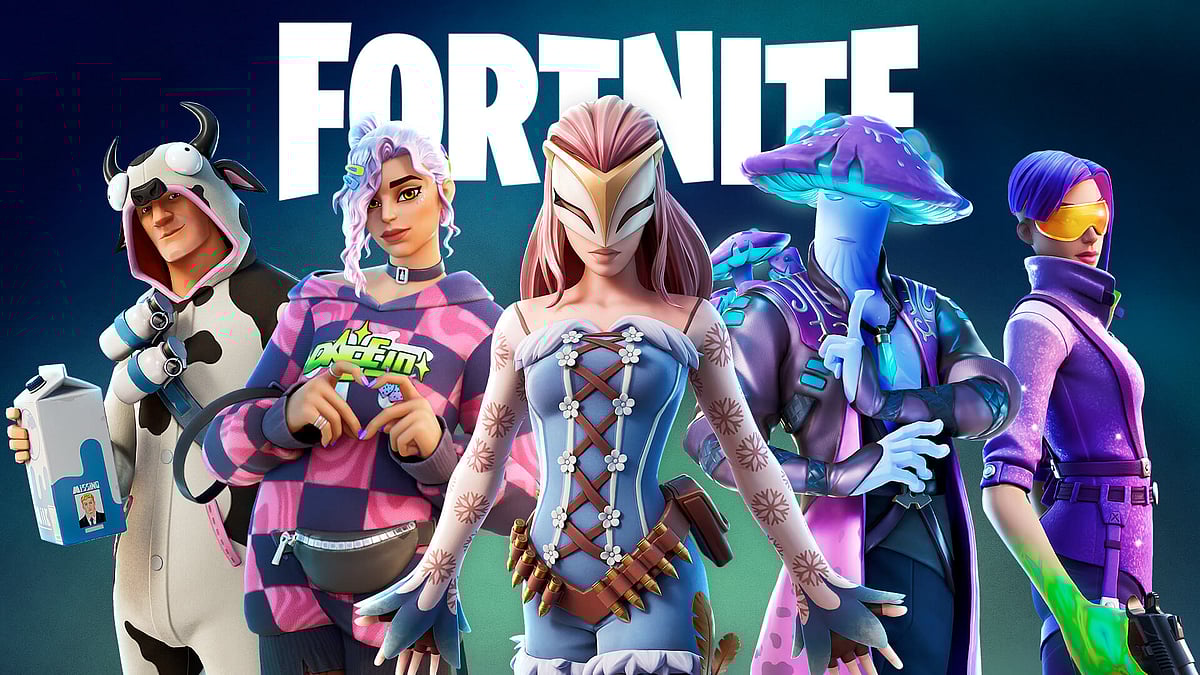
Fortnite
Controversial Chatbots and Customer Support
Despite denying the use of generative AI for art, Epic hasn't shied away from other controversial AI integrations. In September 2025, the company introduced an AI chatbot as the first line of defense for Fortnite's customer support, making it increasingly difficult for players to reach a human assistant. The most significant backlash, however, stemmed from the recent Fortnite Lego Brick Life mode, as per Gamerant.
The game featured AI-powered NPCs that players could interact with, including a Darth Vader character with voice lines generated to mimic the late James Earl Jones. Players quickly found ways to manipulate the chatbot into saying unsavory things in the iconic actor's voice. This incident prompted the actors' union, SAG-AFTRA, to file a lawsuit against Epic Games over its implementation of AI.
At the top of the corporate ladder, CEO Tim Sweeney is steering the company toward a balanced, if highly debated, future for AI in gaming. Sweeney frequently uses social media to defend the technology and has taken a decidedly different approach to storefront regulation than his competitors. Unlike Steam, the Epic Games Store does not obligate developers to divulge their use of AI to customers.
In fact, Sweeney previously told Valve to drop their AI disclosures entirely, claiming the requirement makes no sense for game stores. Epic’s overarching strategy is clear: they are determined to lead the industry in AI adoption, scaling up for the future of massive live-service titles while navigating the complex web of human creativity and automation.

Author
Krishna Goswami is a content writer at Outlook India, where she delves into the vibrant worlds of pop culture, gaming, and esports. A graduate of the Indian Institute of Mass Communication (IIMC) with a PG Diploma in English Journalism, she brings a strong journalistic foundation to her work. Her prior newsroom experience equips her to deliver sharp, insightful, and engaging content on the latest trends in the digital world.
Krishna Goswami is a content writer at Outlook India, where she delves into the vibrant worlds of pop culture, gaming, and esports. A graduate of the Indian Institute of Mass Communication (IIMC) with a PG Diploma in English Journalism, she brings a strong journalistic foundation to her work. Her prior newsroom experience equips her to deliver sharp, insightful, and engaging content on the latest trends in the digital world.




Related Articles