




Highlights
- Arjun Goel founded Metafashion in 2022 at age 15, designing digital fashion items for Roblox's UGC marketplace.
- He has sold 2.5M virtual cosmetic units, generating $300K in gross merchandise value.
- His company Metafashion raised a $400K pre-seed round led by Lumikai in May 2026.
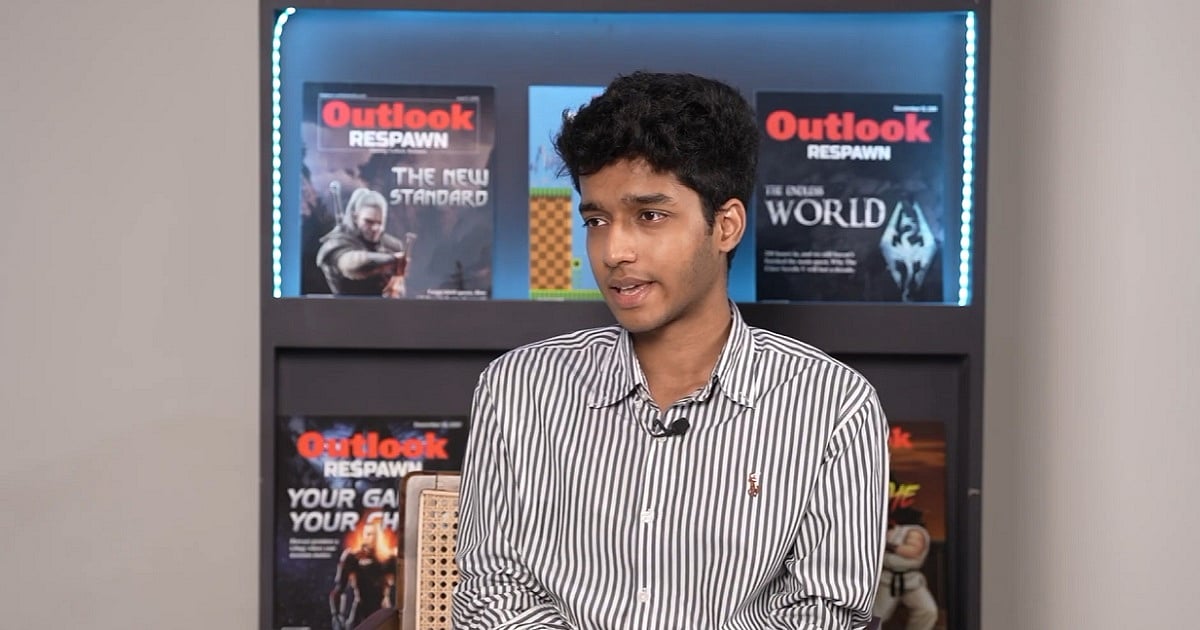
Arjun Goel was 15 years old and stuck at home during lockdown when he discovered that Roblox was not just a place to play games, but also somewhere to build things and get paid for them. He had been a Roblox player growing up, casually familiar with the platform the way most kids his age were. During the global pandemic, he began noticing a parallel economy operating inside the same app. Developers were building games, artists were designing avatar accessories, creators were publishing content and earning real money through Roblox's UGC (user-generated content) program.
The UGC marketplace, which allows approved creators to design and sell virtual items including clothes, hairstyles, and accessories for players' avatars, was an invite-only program at the time. Goel spent months working to get accepted and managed to get in. Four years later, Arjun Goel is 19, and the founder and CEO of Meta Fashion.
The company has sold over 2.5M virtual items on the platform, generated $300K in GMV before raising external capital, and closed a $400K pre-seed round in May 2026 led by Lumikai. Co-investors included Akshat Rathee, founder of NODWIN Gaming, Pratham Mittal of Masters' Union, and the family office of HUUUGE Games founder Anton Gauffin.
What Meta Fashion Actually Does
The company operates across two verticals. The first is digital fashion, designing and publishing virtual clothing, accessories, and items for avatars on platforms including Roblox and Fortnite. The second is an original game, Glam Girls: Dress Up Haven!, a styling and competition game on Roblox where players dress up, compete for prizes, and walk a virtual runway. The platform's gross margins sit at 92%, highlighting how efficiently digital goods scale once the design and publication infrastructure is in place.
Goel wants Meta Fashion to become the Zara of the virtual world, a brand synonymous with digital fashion across every major UGC ecosystem. The comparison to Zara is deliberate and specific. Zara built its retail dominance on speed, reading trends faster than competitors and moving from design to shelf in days.
Meta Fashion's AI-native engine does the same thing for digital assets, analyzing live marketplace trends on Roblox and converting them into virtual goods faster than studios working on manual pipelines. Goel revealed, "With Meta Fashion, we want to build the definitive consumer IP company for these new platforms. One that combines taste, speed, and a digital-to-physical flywheel that no traditional brand can replicate."
When a virtual item sells consistently on Roblox, Meta Fashion uses that data as a demand signal to manufacture a real-world physical version through its D2C line. The digital marketplace tells you what people want before you produce anything. It is a fundamentally different model from how fashion has historically worked, and it is only possible because a large enough audience is already spending money on digital identity in the first place.
Why Digital Identity is a Real Business
Many might wonder why people spend so much money on their digital personas. A Roblox-commissioned study asked a group of a thousand teenagers about styling. 56% of respondents said their digital styling matters more to them than their real physical styling. It reflects something structural about how a generation that grew up online understands identity and self-expression.
Roblox has become, for many of its users, a social space where identity is formed and performed as much as it is in the physical world. Dressing your avatar is no different from choosing what to wear to school. It is the same act, applied to the platform where you spend your social time.
Goel explained the distinction between Roblox and conventional game engines like Unity or Unreal. He is not dismissive of the comparison but points to what makes Roblox structurally different. Unity gives you a development tool, while Roblox gives you the entire stack, which includes development through Roblox Studio, distribution through the platform's built-in audience, monetization through its economy, and community through its social infrastructure. Goel explained, "It's end-to-end. You can develop on Roblox, you can play on Roblox, you have your monetization on Roblox, your audience is on Roblox."
That end-to-end structure is what makes the creator economy on the platform work at the scale it does. A developer does not need a publisher, a distribution deal, or an external marketing budget. However, the trade-off is platform dependency, which Goel is clear about. Meta Fashion's first priority is to deepen its roots on Roblox before expanding, though the longer-term plan is to make its IP interoperable across multiple UGC ecosystems.
Roblox
Meta Fashion’s Future
Meta Fashion’s funding is being deployed to scale the digital fashion vertical, grow Dress Up Haven! into a flagship IP, and expand across platforms. The team currently has five people and is actively hiring 3D creatives and Roblox game developers.
For a company at this stage, the priorities are to double down on what is working, build the infrastructure to scale it, and preserve the taste that got them here in the first place. Goel shared his goals, stating, "How do you not kill creativity? How do you preserve your taste and how do you scale? That's the biggest part of our business."
It is an old question in any creative business. The fact that a 19-year-old is asking it, in the context of a virtual fashion company built inside a platform most of his investors are only now learning to navigate, highlights a promising phase of Indian digital entrepreneurship.