



- Indian esports has moved from social scepticism to long-term career planning, driven by visibility, structure, and regulation.
- Mortal believes games like BGMI can only stay relevant through stable competitive pathways, grassroots investment, and community trust.
- The next phase of esports will prioritize mental health, governance, and structured talent development over creator-led hype.
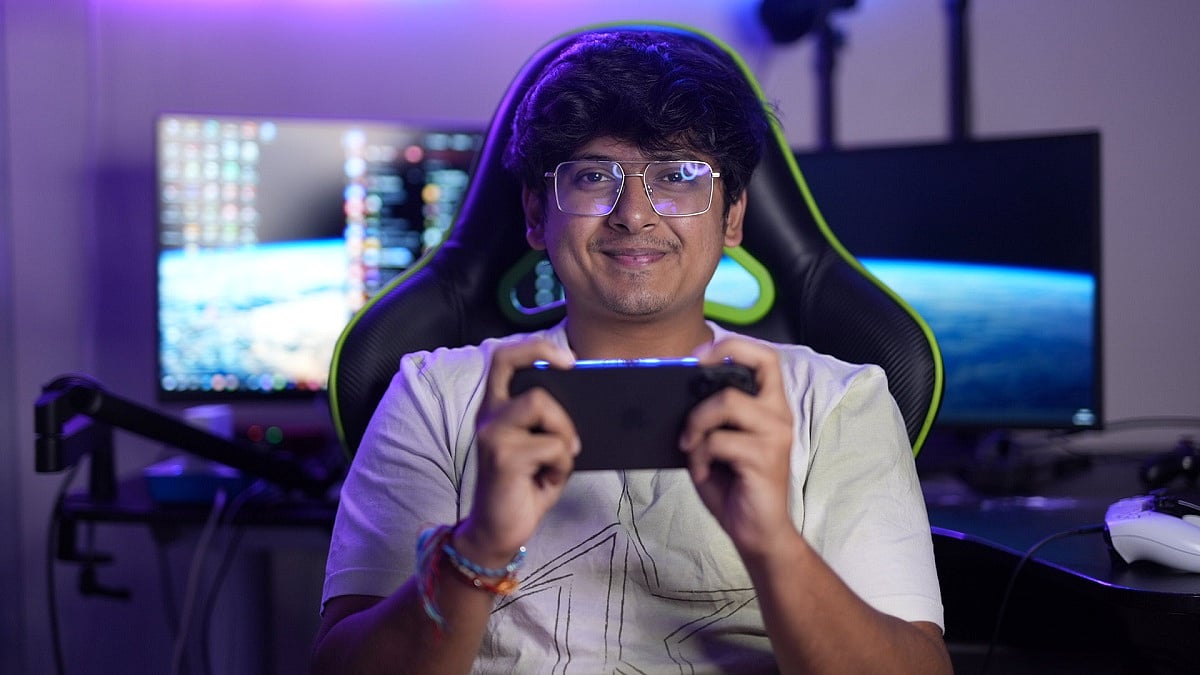
For years, Indian gaming lived in a state of quiet negotiation. Players negotiated with families, creators negotiated with brands, and esports negotiated with legitimacy itself. That tension has not disappeared, but it has changed shape. According to S8UL co-founder, content creator, and esports player Naman Mathur, better known as Mortal, the most important shift has nothing to do with numbers or trophies.
“Gaming has shifted from ‘Are you sure about this?’ to ‘What’s the plan ahead?’” he says. That single question, he argues, captures how far the ecosystem has come. Today, Indian players compete on global stages, prepare for multi-sport events like the Asian Games, and operate within a framework that increasingly treats esports as part of the country’s sporting and digital economy.
In this interview, Mortal reflects on that transition in detail, blending optimism with caution. His answers underline one consistent theme: Indian esports is no longer fighting to exist. It is now being forced to grow up.
Indian Esports’ Growth From Skepticism to Structure
When Mortal looks back at the early days of Indian gaming, the contrast with today is stark. “The change in mindset is the most significant difference today,” he explains. What was once uncertainty has been replaced by planning, expectation, and accountability.
He points to international exposure as a major catalyst. “Indian players are now competing on global platforms like the Esports World Cup and international BGMI tournaments,” he says, adding that preparation for events such as the Asian Games has further legitimised esports in the public eye. This visibility, according to Mortal, has reshaped how families, organisations, and institutions perceive gaming as a career.
But exposure alone is not enough. Mortal repeatedly returns to the idea of structure. Government recognition and regulatory frameworks like the Promotion and Regulation of Online Gaming Act have given esports a clearer position within India’s economy.
Importantly, he stresses that growth is no longer limited to players. “Beyond players, the ecosystem now supports careers in casting, analysis, team management, performance coaching, content creation, production, and community building,” Mortal says. In his view, gaming has crossed a critical threshold. “Gaming today operates as a mature industry with diverse and sustainable career pathways.”
As esports becomes more visible and competitive, Mortal sees mental health as non-negotiable. The pressure, he explains, is constant. “The ecosystem today is fast-moving and highly visible, with constant performance pressure and public scrutiny,” Mortal notes. Without support, burnout is inevitable. “Without the right support systems, burnout becomes a real risk, even for top performers.”
At S8UL, this belief shapes organizational culture. “We believe performance and well-being are inseparable,” he says. Success, in his view, is not defined by short-term results. “Sustainable success comes from emotional resilience, structured routines, and consistent mental health support, not just results or reach.”
Building Talent Beyond the Same Few Names
Despite the industry’s growth, Mortal believes India still relies too heavily on a limited group of stars. “What’s missing is structured development,” he says. Talent is not the issue; access is.
“Talent exists across the country, but many emerging creators lack access to mentorship, production support, and long-term guidance,” Mortal explains. His experience at S8UL has reinforced the importance of systems over spontaneity.
“At S8UL, we have seen how consistency, professional systems, and mentorship can shape sustainable growth,” he says. On the competitive side, he points to untapped potential outside major cities. “Strong talent is visible across Tier 2 and Tier 3 regions, but access to structured pathways and quality coaching remains limited.”
This gap is especially evident beyond BGMI. Mortal highlights initiatives like S8UL’s FGC Talent Hunt as attempts to address infrastructure shortages. “The fighting games community has long had competitive depth but limited infrastructure,” he notes. For Mortal, the solution is clear. “Building the next generation will require proactive scouting, grassroots investment, and sustained development across multiple titles and regions.”
No discussion of Indian gaming and esports is complete without Battlegrounds Mobile India, and Mortal approaches the topic with measured realism. He feels that sustainability has to be the priority if the game wants to continue thriving in India.
For games like BGMI to remain relevant, scale must be supported by systems. “That means consistent competitive structures, clear progression pathways for emerging players, and transparent communication with the community. BGMI already has scale, reach, and strong cultural relevance,” he says. But he is equally clear about the risks of complacency. “Long-term success depends on how well that foundation is supported,” he explains.
Support, in this context, means more than elite tournaments. “Investment in grassroots tournaments, regional ecosystems, and creators alongside elite competition is essential,” he stresses. Stability, he argues, is the currency of trust. “Stability builds trust, and trust is what ensures longevity for any esports title.”
Gaming as Part of India’s Cultural Mainstream
Mortal recently participated in Royal Challenge Packaged Drinking Water’s ‘Main Nahi Toh Kaun Be’ campaign. He explained why such campaigns are important in merging gaming culture with the mainstream media.
“The campaign places gaming firmly within the fabric of India’s cultural mainstream,” he says. Sharing space with figures from cricket, music, and television sends a clear message: gaming is no longer a fringe interest. He emphasises that this recognition feels earned rather than accidental. “Gaming and esports is no longer a niche pursuit, but a recognized expression of ambition and excellence,” Mortal explains. For him, the campaign works because it reflects the lived reality of competitive gaming.
Royal Challenge
“Esports careers are built in high-pressure, competitive environments where conviction and self-belief are essential,” he says. The discipline required to survive in esports, he argues, is no different from that demanded in traditional sports or entertainment.
Being part of the campaign, therefore, is not just about visibility. “It reinforces that gaming today represents the same discipline, drive, and cultural relevance as any established field,” Mortal adds. For a generation still seeking validation, that equivalence carries real weight.
As esports attracts more non-endemic brands, Mortal believes misunderstandings remain common. “Indian gaming audiences are highly value-driven,” he says, “Visibility alone does not build credibility.”
Gamers, he explains, are deeply aware of performative engagement. They respect effort because effort defines their own journeys. “The strongest brand associations come from campaigns that align with the mindset of gamers,” Mortal says, pointing to preparation, resilience, and consistency as shared values.
When brands fail, it is often because they treat esports as a shortcut rather than a culture. “When brands communicate with authenticity and shared purpose, the connection feels organic,” he explains. Without that alignment, even high-budget campaigns struggle to resonate.
Mortal cites Royal Challenge Packaged Drinking Water’s approach as an example of meaningful engagement. “The campaign demonstrates how value alignment leads to meaningful engagement rather than surface-level presence,” he says. In a market as young and vocal as India’s gaming audience, he suggests, credibility cannot be manufactured.
Mortal’s Hopes for 2026 and Beyond
Looking ahead to 2026, Mortal expects esports organizations to change fundamentally. “Esports organisations will increasingly operate like a blend of professional sports teams and media companies,” he predicts.
Creator-led gaming and esports communities will remain important, but they will no longer be sufficient. “Structure, governance, talent development, and business clarity will define who lasts,” he says. He also anticipates deeper investment in management, coaching, and content strategy.
“We will see greater investment in management teams, performance coaches, content strategy, and large-scale storytelling formats such as docuseries,” Mortal explains. The industry’s focus, he believes, will shift decisively. “The focus will move away from short-term hype toward building sustainable institutions capable of competing globally.”
For aspiring professionals, Mortal’s advice is grounded and realistic. “Patience, backed by discipline, is critical,” he says. “Having a realistic plan and a backup option, whether through education or another skill, is important, while continuing to work consistently on gaming,” Mortal advises. Passion alone is not enough.
Those who succeed, he concludes, share a common trait. “They respect the grind, stay adaptable, and are prepared for setbacks.” Treating gaming with professionalism from the start, he believes, is what separates short-lived success from sustainable careers. In many ways, that philosophy mirrors the current state of Indian esports itself: ambitious, more self-aware than ever, and finally ready to build for the long term.