




Highlights
- The Steam Machine starts at $1,049 globally and is expected to cost INR 100K to 115K in India via parallel imports, with no official launch planned for the country.
- Valve is using a randomized reservation lottery to control first-wave purchases and avoid scalpers.
- The hardware targets 4K gaming with FSR but struggles in ray-tracing-heavy titles, raising questions about value against similarly priced PCs.
Every few years, a piece of gaming hardware arrives that genuinely changes the conversation about what the living room setup can look like. The Steam Machine is aiming to be such a console. Valve's compact, cube-shaped PC running SteamOS launched globally in late June 2026 at $1,049 for the base 512GB model. It has generated more discussion about PC gaming's future than anything since the original Steam Deck. It is also not officially available in India, costs more than anyone predicted, and is being sold through a randomized lottery rather than standard retail.
For Indian gamers trying to figure out whether this machine deserves their money, the honest answer requires working through what it is, what it costs to actually get here, and what it competes against. The problem with the Steam Machine’s pricing is that it goes up against competent laptops and gaming PCs that can outperform Valve’s offering, according to early reviews.
What is the Steam Machine?
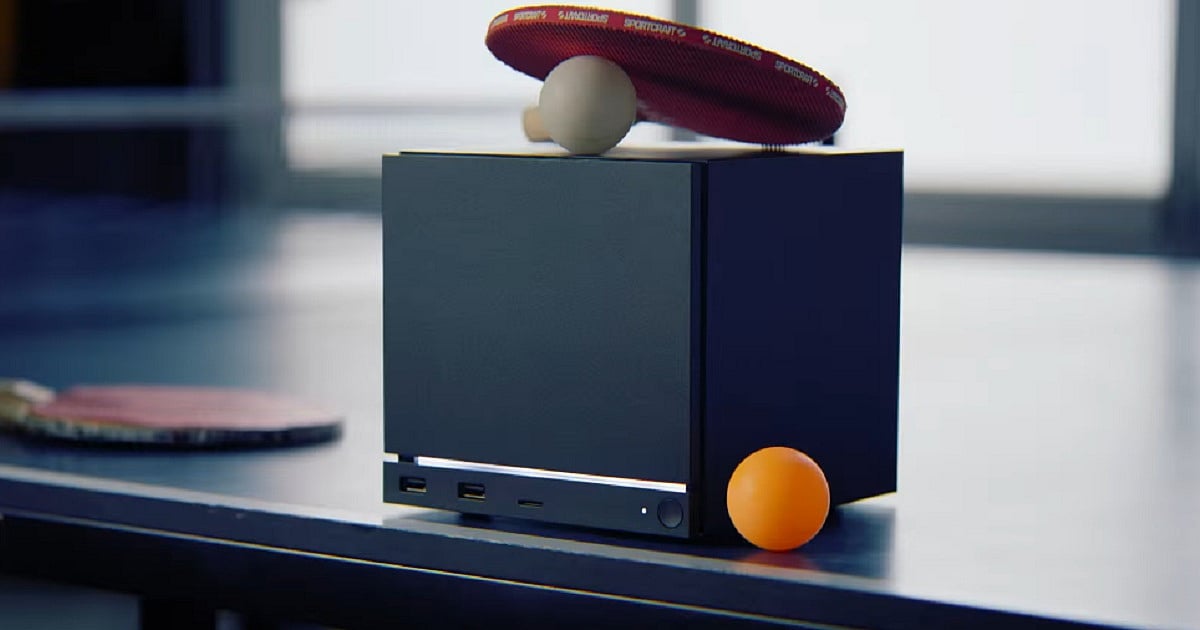
The Steam Machine is a semi-custom AMD build in an extraordinarily compact enclosure, measuring 156mm wide, 152mm tall, and 162mm deep. That is smaller than most mini-ITX cases and dramatically smaller than a standard gaming tower. It sits next to your TV like a console and runs SteamOS, Valve's Linux-based operating system optimized for couch gaming with a controller.
Here’s a quick overview of the hardware it offers:
- CPU: AMD Zen 4, 6 cores / 12 threads (up to 4.8GHz)
- GPU: AMD RDNA 3, 28 Compute Units, 8GB GDDR6 VRAM
- Memory: 16GB DDR5 RAM
- Storage: 512GB NVMe SSD (upgradeable) + microSD slot
- Performance: Up to 4K 60fps with FSR upscaling; supports ray tracing
The upgradeable RAM and storage are meaningful differentiators from a traditional console. You can expand the system over time. That flexibility comes at a cost, which we will get to.
What Does it Cost to Get a Steam Machine in India?
The Steam Machine is officially available in the U.S., Canada, U.K., EU, Australia, and select Asian markets, including Japan, South Korea, Hong Kong, and Taiwan. India is not on that list, a familiar situation for anyone who remembers trying to buy a Steam Deck through official channels.
Valve
Parallel imports in the gray market will fill the gap, as they always do. Based on the US base price of $1,049, expect to pay INR 100K to INR 115K for a 512GB unit once import duties and retailer margins are applied. The 2TB model at $1,349 globally will likely land between INR 130K and INR 140K in India. Adding the Steam Controller, which is bundled with some configurations, pushes those numbers higher still.
Steam Machine Versus Other Offerings in India
Here’s a quick overview of some of the other popular gaming hardware that you can get at the same or lower prices.
PS5 (INR 55K disc edition, INR 50K digital)
Sony has held its official India pricing at INR 54,990 for the disc edition and INR 49,990 for the digital edition despite global price hikes. The PS5 Pro circulates on the grey market between INR 80K and INR 85K. At these prices, the standard PS5 with a disc drive is the most straightforward console value proposition available in India right now.
What the PS5 gives you that the Steam Machine does not is a curated library of PlayStation exclusives, a mature PlayStation Store ecosystem, and the peace of mind of buying officially stocked hardware with local warranty support. What it does not give you is access to your existing Steam library, upgradeable components, or the flexibility of a full PC platform. The PS5 Pro's GPU performance is broadly comparable to the Steam Machine at native 4K in many titles. However, the Steam Machine has the edge in raw hardware headroom and the obvious advantage of running every game in your Steam library out of the box.
At INR 55K versus INR 100K to 115K, the PS5 disc edition wins on value for anyone who does not already have a significant Steam library and does not prioritize PC gaming specifically. Readers should note that online play in most major games on PlayStation requires an active PS Plus subscription, which costs anything between INR 5,139 and INR 9,879 annually.
Valve
Xbox Series X (INR 50K to 55K)
Xbox Series X has been through its own pricing complications, with Microsoft raising hardware prices multiple times in 2025. In India, the Series X trades at approximately INR 50K to 55K on the gray market. Game Pass adds an ongoing subscription cost on top of that, but it also adds a library of day-one first-party releases that changes the calculus significantly.
The Series X's performance profile is closest to the Steam Machine of any console on this list. Both target 4K at 60fps in supported titles, both have comparable GPU compute units, and both struggle with ray-tracing-heavy workloads in the same general way. Where they differ is in the ecosystem. The Steam Machine runs your PC games. The Series X is slowly rebuilding its exclusive library and may be the more compelling gaming proposition by the time Gears of War: E-Day and Fable land.
At roughly half the price of a gray-market Steam Machine, the Series X is a harder buy to argue against for anyone primarily interested in living room gaming. Buying the Xbox Game Pass for INR 1,089 per month gives you access to over 400 games per month.
Custom PC Builds (INR 110K Budget)
This is where it gets genuinely interesting for the Indian buyer. Here are the specs you can expect if you invest around the same amount as the Steam Machine in a gaming PC:
- CPU: AMD Ryzen 5 7500F (6-core, 3.7GHz)
- GPU: Sapphire Radeon RX 9060 XT OC, 16GB GDDR6
- RAM: G.Skill Ripjaws S5 16GB DDR5 5600MHz
- Storage: WD Blue SN5100 500GB NVMe PCIe 4.0
- Motherboard: MSI B650M Gaming WiFi Micro ATX AM5
- PSU: Deepcool GamerStorm PN650D 650W 80 Plus Gold
- Cabinet: Cooler Master Elite 490 MicroATX Mini Tower
The custom PC configuration we put together significantly outguns the Steam Machine in almost every meaningful specification. The RX 9060 XT with 16GB GDDR6 has twice the VRAM of the Steam Machine's 8GB, which matters as games push VRAM requirements higher. The 7500F is a capable six-core processor at a similar spec tier to the Steam Machine's CPU. The system runs Windows, which means access to every platform, not just Steam. It sits in a tower rather than a living room cube, which matters for some setups and not at all for others.
The honest comparison is that at the same price, a PC built by someone with even basic component knowledge will outperform the Steam Machine meaningfully. The Steam Machine's advantage is its size, its plug-and-play SteamOS experience, and its form factor for living room use.
Gaming Laptop (INR 105K)
Here is a competent Lenovo gaming laptop that you can get for around INR 105K with bank offers and seasonal deals:
- CPU: Intel Core i7-13700HX (16C/24T, up to 5.0GHz)
- GPU: NVIDIA GeForce RTX 5060 8GB GDDR7, 100W TGP
- RAM: 16GB DDR5-4800 (upgradeable to 32GB)
- Storage: 1TB NVMe PCIe 4.0 SSD
- Display: 15.6" FHD 1080p IPS, 144Hz, 100% sRGB
This is a genuinely strong gaming laptop that beats the Steam Machine in most gaming scenarios. The RTX 5060, despite its 100W TGP on this machine, is a more capable GPU than the Steam Machine's RDNA 3 28CU configuration in most rasterization workloads. It also runs Windows natively, has a built-in display, is portable, and offers the full PC ecosystem. There are similar offerings from other brands that deliver similar configurations at around the same price.
At INR 105K to 130K, the gaming laptop market presents the sharpest challenge to the Steam Machine's value proposition among the options here. You get more raw GPU performance, a portable form factor, a built-in screen, Windows, and the full PC platform. Given how much of the Indian gaming audience includes students and working professionals who actively purchase laptops, investing in a powerful gaming laptop is more feasible than the Steam Machine. Just like a gaming PC, laptops also come with around three to five years of warranty, unlike the gray market Valve console.
Steam Machine’s Performance Reality
The Steam Machine's 4K claim is slightly misleading. It achieves 4K output using AMD’s FSR upscaling from a lower internal render resolution, typically 1080p or 1440p upscaled. Native 4K is not what is happening in most games. FSR's quality at this upscaling ratio has been consistently described as acceptable for TV gaming from a couch distance, where pixel-perfect sharpness matters less than it would on a monitor at close range.
Ray tracing is the clear weakness. Titles like Indiana Jones and the Great Circle and DOOM: The Dark Ages struggle to hold 40fps even on low RT settings, according to tests by GamersNexus, Notebookcheck, and Digital Foundry. For games that do not require ray tracing, the machine performs more comfortably in the 60fps bracket with FSR active. The 8GB VRAM is the other flag. Games are increasingly pushing past 8GB VRAM at higher settings, and while SteamOS manages memory more efficiently than Windows, the ceiling is there, and it will be felt more acutely as games from 2027 and 2028 arrive.
Should You Get the Steam Machine in India?
The Steam Machine lets you enjoy PC gaming in the living room without the complexity of a gaming tower. For someone who already has a substantial Steam library and wants a way to play it on their TV in a clean, console-like setup, it makes sense to get one.
For the Indian audience specifically, it does not make sense to purchase one for most users. At INR 100K to 115K through gray market imports, with no official warranty support, you are paying a significant premium for a device. A similarly priced PC beats it on specifications, and the PS5 at INR 55K undercuts by nearly half while offering a superior exclusive games library. Gaming laptops in the same price bracket offer more GPU performance with far greater portability.
The Steam Machine's value proposition depends heavily on three things: your existing Steam library, your preference for the living room form factor, and your willingness to accept the gray market risk. If all three are true for you, it can be a worthwhile purchase.
The supply situation adds its own complications. The global lottery system for first-wave purchases means that even buyers willing to pay the premium may not be able to access official units immediately. Parallel import volumes will depend on how many units Valve ships globally in its first few months, and those numbers are expected to be limited given the component constraints that pushed the price higher than Valve originally intended.
Wait and watch might be the most sensible advice for most Indian buyers. If Valve expands supply, prices should normalize somewhat. If the second wave of games in 2027 demonstrates that the hardware has the legs to stay relevant at this performance level, the case becomes more convincing. Right now, it is a product for enthusiasts who know exactly what they are paying for and why. For everyone else, the money currently does more elsewhere on a gaming laptop, PC, or console.