




Highlights
- The Stop Killing Games movement is pushing for consumer rights around game preservation and ownership.
- Developers agree with the goal but warn that keeping dead games online can be technically and financially unrealistic.
- Live service games rely on infrastructure that becomes difficult to maintain once player populations collapse.
The Stop Killing Games movement is gaining traction again. Advocates argue that players should not lose access to games they paid for when publishers shut down servers or discontinue support. The movement has recently begun organizing more formally, with plans to establish non-profit groups in the United States and Europe to push for stronger consumer protections.
At its core, the campaign raises a simple question. Should a game disappear completely once a company decides to shut it down? Many players believe the answer should be no. Developers and publishers, however, say the reality is more complicated.
Keeping a game online requires servers, maintenance, security updates, and sometimes entire development teams. When a title fails to attract players or revenue, maintaining that infrastructure can become unsustainable. We spoke to Jatin Lachhwani, publishing manager at Bamboo Game Studios in Ahmedabad, who works with independent studios in South Asia and Southeast Asia. He understands the player perspective behind the movement, but he brought up the technical realities of keeping games alive indefinitely that are often overlooked.
Stop Killing Games and the Preservation Debate
The Stop Killing Games campaign grew out of frustration from players who saw purchased games become inaccessible after shutdowns. In many cases, even single-player components of a game stop working once servers are turned off.
Supporters argue that this creates a strange situation where players technically buy access to a product that can disappear at any time. Physical games in earlier generations rarely had this problem. Even if official support ended, the game itself still functioned.
Live service titles changed that model. Many modern games depend on authentication servers, cloud systems, or online matchmaking, even when players are not competing with others. This shift has raised concerns about ownership and preservation. Players worry that entire games could vanish permanently as publishers move on to newer projects.
Lachhwani said, “From a player’s perspective, the movement makes sense and is completely fair. People feel like they bought something, and it should continue to exist.”
Lachhwani believes the discussion around preservation is important, yet the technical reality of running online games creates serious challenges. He said, “A live service game runs on infrastructure that needs constant monitoring and support. Once the player base drops, the cost of maintaining those systems becomes difficult for many studios.”
He explained that for larger publishers, it may be possible to keep servers running for longer, but smaller studios do not have that option. Many studios rely on third-party services like cloud hosting, anti-cheat software, and licensing agreements for various assets or media.
Live service titles often depend on backend infrastructure that was never designed to operate indefinitely. These systems include matchmaking servers, security layers, anti-cheat tools, and database management systems. Maintaining them requires ongoing technical support and operational costs that might not be feasible.
The Problem With Dead-On-Arrival Games
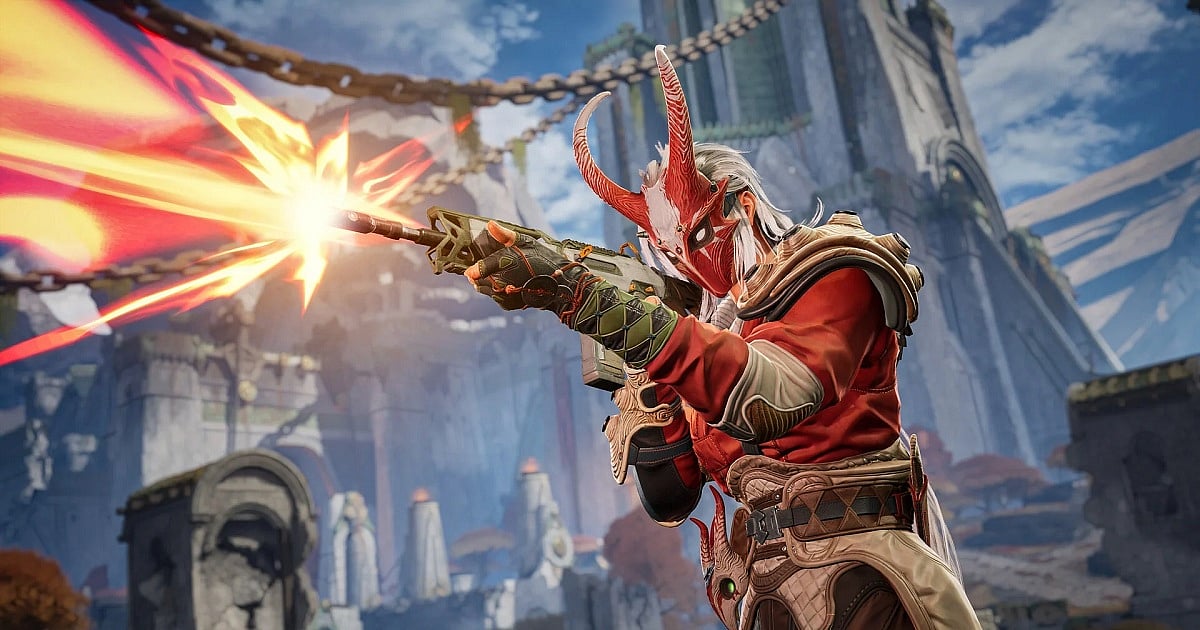
Some multiplayer games struggle to find an audience soon after launch. Highguard is one of the most recent examples of a title that failed immediately after release. It received the spotlight at The Game Awards in 2025 and was marketed heavily, but it failed to capture an audience. The game had to shut down just weeks after release.
When the number of players in games like Highguard drops sharply, the core live service experience stops working. Matchmaking becomes slow, competitive balance breaks down, and cooperative modes become difficult to access, which is why it shut down. Industry observers often describe these titles as dead on arrival. Once the player population collapses, keeping servers online no longer makes financial sense for many studios.
Lachhwani said this situation creates difficult decisions for developers and publishers. Lachhwani said, “If a game has only a few hundred active players, maintaining infrastructure becomes a real burden. Studios still need engineers, servers, and support staff.”
He believes that solutions could exist that balance preservation with practical limitations. One idea involves releasing offline versions of games once official support ends. Another option allows players to run community servers after a shutdown.
Older PC games already follow this model in some cases. Communities maintain multiplayer servers long after official development has stopped. Modern live service games present different technical challenges. Many rely on proprietary infrastructure that connects multiple systems.
Lachhwani said future games may need to consider preservation earlier in development. He said, “Studios could design systems with shutdown scenarios in mind. That could make preservation easier later.”
What’s Next for Stop Killing Games?
The Stop Killing Games movement continues to grow as players and preservation advocates organize internationally. Groups behind the campaign are establishing NGOs in the United States and Europe. Their goal is to push for legislation that protects consumer access to purchased games. If the movement is a success, it could affect how games are preserved globally.
These discussions could lead to new rules about server shutdowns, digital ownership, and long-term preservation. Developers across the industry are watching the conversation closely as it directly affects them.
Lachhwani believes the discussion is valuable for the future of the industry. He said, “The movement raises important questions about ownership and preservation. Developers want games to be remembered and preserved as well. The challenge is finding ways to make that possible without creating unsustainable burdens for studios.”
Players want their games to remain accessible. Developers face the technical and financial responsibility of maintaining online infrastructure. As more games move toward live service models, this conversation will likely continue.