




Explore 12 non-technical roles in India’s $5.91B gaming industry, from Narrative Design to UI/UX.
Non-Technical Gaming Jobs in India: Game Writer to Level Designer
Explore 12 non-technical gaming jobs in India’s $5.91B market, from Narrative Design to UI/UX, with insights on top studios, salaries, and AI-driven creative workflows.

Highlights
- India's $5.91B gaming market is moving beyond coding to demand storytellers, architects, and community builders across 1,400+ companies.
- Non-technical paths like Narrative Design, UI/UX, and Production offer lucrative salaries up to ₹55L LPA at top studios like Ubisoft and Krafton.
- Modern professionals utilize Generative AI as a productivity "force multiplier" to streamline workflows and enhance creative output.
The Indian gaming scene is no longer just about chasing high scores on a mobile screen; it has evolved into a $5.91 billion USD powerhouse that is hungry for far more than just programmers. As the industry pivots from being a global "back-office" to a vibrant "creative force," a massive window has opened for those who love games but don't want to spend their lives staring at lines of C++ code. With over 1,888 gaming companies now operating in India, the demand for storytellers, architects, and community builders has reached an all-time high.
India’s gaming industry is booming, and the biggest demand right now is for creative, non-technical talent. These jobs blend creativity, strategy, and passion, offering solid pay and massive growth in studios from Bengaluru to Mumbai. If you’ve ever wanted to be part of the magic that makes a game "feel" right, here is your roadmap to 12 career paths where your creativity is the primary currency.
1. Narrative Designer: The Systemic Storyteller
While a writer handles the overarching script, the Narrative Designer builds the "how" of the story. They craft epic game worlds through plots, characters, and branching dialogues, collaborating with teams to weave narratives that hook players emotionally. They ensure that the gameplay doesn’t contradict the story. They need to have a strong understanding of player progression narrative.
- Daily Tasks: In a typical day, they aren't just writing; they are scripting cutscenes, designing quests, and placing story triggers in game engines to make sure the world feels alive, and lore remains consistent across all levels.
- Skills: This role requires strong creative writing fundamentals, deep insight into player psychology, and proficiency in prototyping tools like Twine or Ink.
- Entry Route: Beginners often enter the field with degrees in Literature, Film, or Creative Writing, backed by a strong portfolio of interactive stories or experience building modding community projects.
- Salary (India): Compensation ranges from ₹3.5L to ₹12LPA.
- Studio Example: SNK IT hire for these creative roles.
2. Level Designer: The Architect of Virtual Space
Level designers are the reason you don't get lost in a massive game world. They sculpt game environments, translating abstract ideas into physical, playable spaces without necessarily writing core code. They focus heavily on the "flow state," ensuring a level is challenging, fun, and intuitive. It begins early in the game development process, as it is the basic structure of the game.
- Daily Tasks: They spend their days iterating maps, "grey-boxing" rough 3D layouts, placing obstacles, and analyzing player movement heatmaps to tweak the pacing based on playtest feedback.
- Skills: Mastery of spatial thinking and 3D architecture is vital, along with an understanding of gameplay loops, Photoshop for sketches, and engine proficiency in Unity or Unreal Engine.
- Entry Route: Candidates usually break in via game design diplomas, degrees in Architecture, participating in indie game jams, or transitioning from QA roles and modding existing games.
- Salary (India): Salaries average around ₹6L, with a broader range sitting between ₹5L and ₹10LPA depending on the studio.
- Studio Example: Ubisoft Pune is a prime destination for level design talent.

Pexel
3. Sound Designer: The Engineer of Auditory Immersion
Ever felt a chill from a creaking door in a horror game? That’s the Sound Designer. They build the game's sonic landscape, creating the acoustic identity of the world—from the crunch of footsteps to the futuristic hum of lasers—to amp up tension and immersion. A real-world example of this impact can be seen with the Reliance Games' audio pro-crafted trailers, which went viral due to the compelling sound design, spiking game downloads by millions.
- Daily Tasks: Their routine involves recording Foley (real-world sounds), synthesizing effects, syncing sounds to animations, audio mixing, and optimizing assets for various mobile devices.
- Skills: Essential skills include a great ear for immersion, audio engineering basics, and proficiency in DAWs like Pro Tools or Reaper, alongside audio middleware like Wwise or FMOD.
- Entry Route: Aspiring sound designers usually hold Audio Engineering or Music Production degrees, or they build their chops through freelance gigs and sound modding contests.
- Salary (India): The average pay is around ₹6LPA, though ranges span from ₹2L to ₹8LPA, with top-tier city roles reaching up to ₹15L+.
- Studio Example: Reliance Games (Pune) actively seeks auditory talent for everything from AAA titles to kids' hits like Little Singham.
4. Technical Artist: The Bridge Between Art and Logic
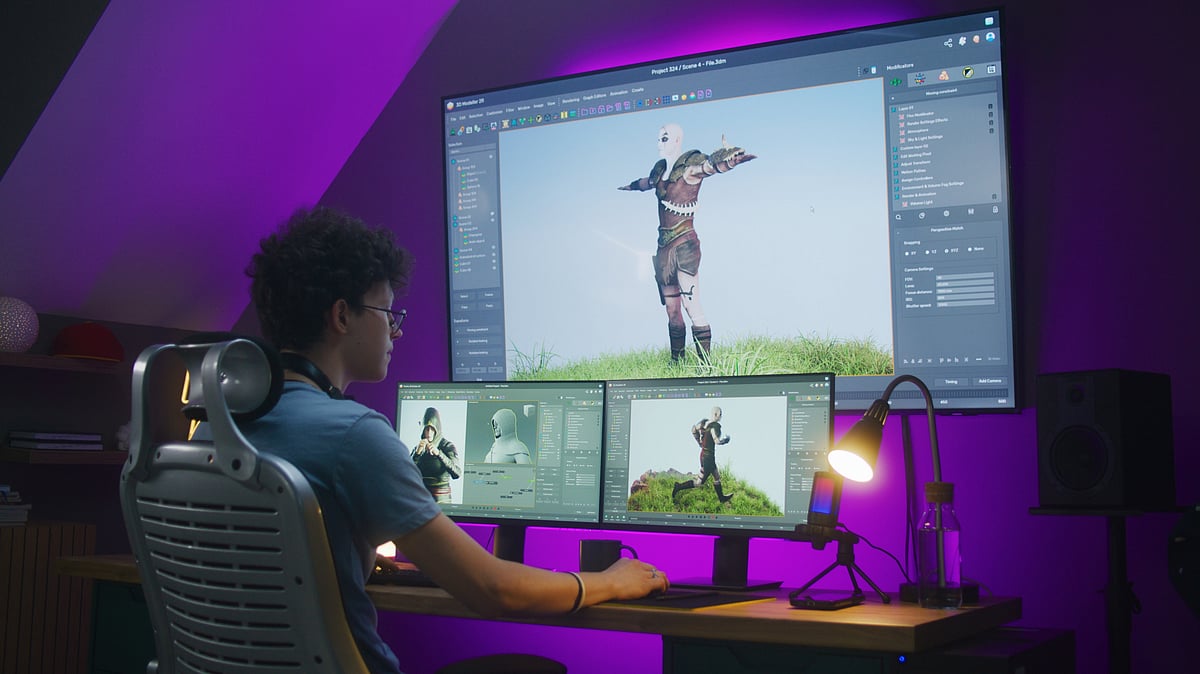
This is one of the most vital roles in modern gaming. Technical Artists are the "translators" who ensure that an artist's beautiful vision can actually run smoothly on a standard smartphone. They focus on tools and pipelines rather than core game code. They work closely with the art and engineering teams to develop and implement tools, workflows, and pipelines that enhance the visual quality and efficiency of the game.
Daily Tasks: Daily work means fixing visual bugs, automating workflows, developing art pipelines, performance testing, and troubleshooting technical engine issues.
- Skills: They require a mix of art and logic, including basic Python scripting, knowledge of 3D software (Maya/ZBrush/Houdini), and deep Unreal or Unity engine expertise.
- Entry Route: Many transition into this role by moving from traditional 3D art degrees into more technical engine-side roles, often aided by tech bootcamps or pipeline experience at VFX firms.
- Salary (India): Pay ranges from ₹5L to ₹20LPA, with true experts and leads commanding up to ₹30L.
- Studio Example: Lila Games in Bangalore recruits heavily for these pipeline wizards.
5. Community Manager: The Architect of Player Retention
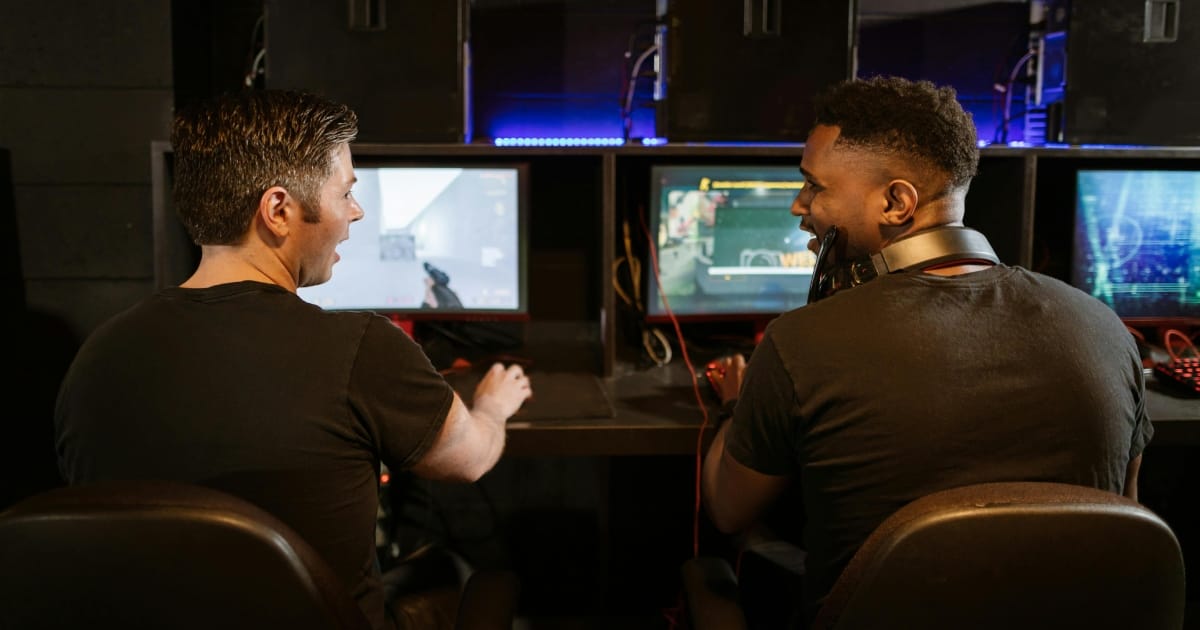
In a world of "forever games," the relationship with players never ends. Community Managers nurture fanbases and serve as the face of the studio on Discord, Reddit, and Instagram. They handle the "vibe" of the player base, hype updates, and build lasting loyalty.
- Daily Tasks: They spend their days moderating forums, tracking daily sentiment, running contests, creating social content, managing crisis communication, and reporting trend feedback directly to developers.
- Skills: Exceptional empathy, communication flair, social media analytics, and a deep, intuitive understanding of gaming culture are mandatory.
- Entry Route: This path often starts with digital marketing experience, communications degrees, or simply being an influential "power user" or forum moderator in gaming communities.
- Salary (India): Salaries generally sit at ₹4L to ₹10LPA.
- Studio Example: Krafton India (managing the BGMI community).
6. Esports Producer: Orchestrating the Live Experience
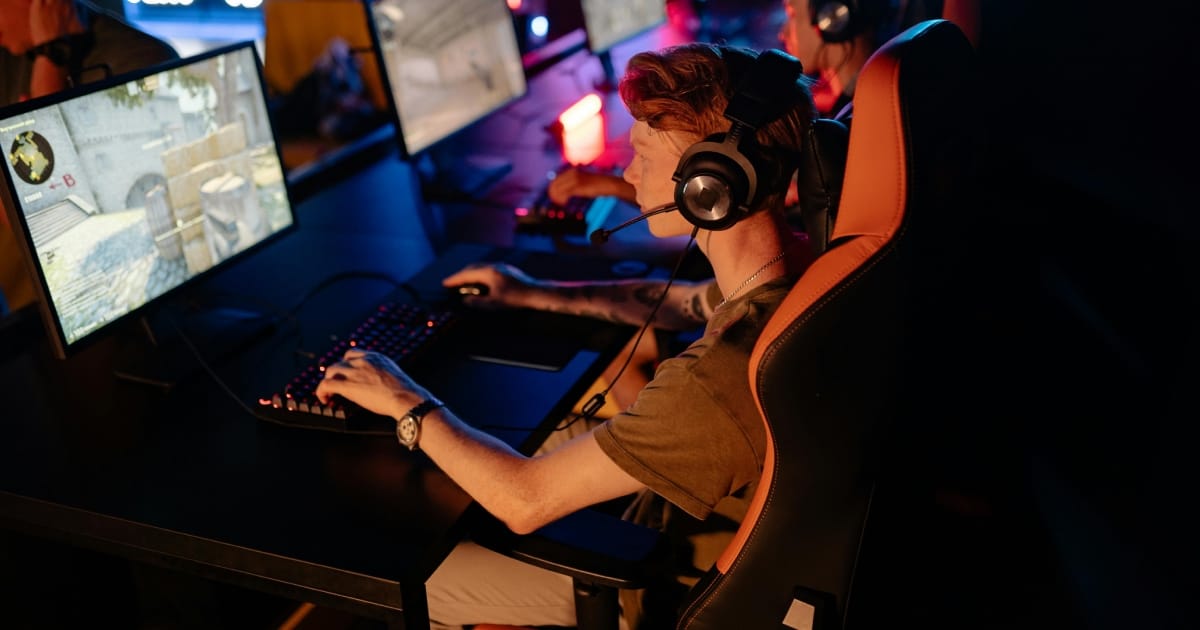
Esports Producers are the "directors" of the competitive gaming world. They orchestrate epic live events, coordinating between commentators, players, venues, streams, and technical teams to ensure seamless broadcasts. They also tackle the unique challenge of making streams look flawless on limited mobile data. It is through such roles that PUBG esports can enjoyed a strong viewership performance across both regional and global events.
- Daily Tasks: Days are filled with scheduling matches, managing live stream layouts, budgeting, handling sponsor integrations, and conducting post-event analysis.
- Skills: This role demands intense project management, event planning, networking, and proficiency in broadcast software like OBS or vMix.
- Entry Route: Getting a foot in the door usually involves volunteering at local tournament operations, a background in TV production, or media diplomas.
- Salary (India): Earnings range from ₹4L to ₹15LPA.
- Studio Example: Nodwin Gaming is constantly on the hunt for producers to manage massive BGMI leagues.
Pexel
7. UI/UX Designer: Engineering the Player Journey
UI (User Interface) and UX (User Experience) designers craft the intuitive menus, HUDs, and flows that make a game easy to use. In India, where many gamers are experiencing complex interactive tech for the first time, this role is critical for ensuring smooth gameplay on mobile or PC. A well-designed UI/UX attracts players, minimizes frustration, and reduces the possibility of disengagement.
- Daily Tasks: Their routine involves creating wireframes, designing sleek user interfaces, user-testing prototypes, and iterating on A/B testing feedback loops daily.
- Skills: Essential skills include a firm grasp of design principles, user psychology, wireframing, and mastery of tools like Figma and Adobe XD.
- Entry Route: Most enter via Graphic or Interaction Design degrees, specialized UX bootcamps, or by starting in junior graphic roles with a strong portfolio of app designs.
- Salary (India): The average pay is around ₹5L to ₹10LPA, with a broader range spanning across ₹3.5L to a massive ₹55L for top-tier researchers.
- Studio Example: Junglee Games frequently posts openings to refine their user journeys.
8. QA Lead: The Guardian of the Gold Build
Quality Assurance (QA) is more than just playing games; it is the rigorous science of hunting glitches and trying to break software. QA leads oversee testing teams to find every bug before the player does, prioritizing fixes and verifying builds across devices without necessarily doing deep coding. They work closely with other teams, clarifying issues and ensuring effective execution of the project.
- Daily Tasks: They design test cases, manage bug tracking, verify device compatibility, and guide automation while ensuring the game meets strict Apple and Google Play store standards.
- Skills: Relentless attention to detail, leadership, device knowledge, and mastery of testing methodologies and tools like Jira are required.
- Entry Route: The standard path involves starting as a Junior Tester post-graduation and building up to a lead role, often aided by obtaining ISTQB certifications.
- Salary (India): Salaries range from ₹2.3L to ₹15LPA, with senior managers hitting ₹20L.
- Studio Example: Keywords Studios hire for QA heads and testing teams.
9. Localisation Specialist: The Cultural Ambassador
With 20 official languages, India requires Localisation Specialists to ensure a game feels native across varied regions. They don't just translate text; they adapt jokes, tweak UI, and adapt cultural references to resonate with local players in Tier-2 and Tier-3 cities. To capture a wider audience, games need to be available in multiple languages, and the quality of translations must be impeccable.
- Daily Tasks: Daily work consists of proofing scripts, translating text, conducting cultural checks, managing regional voice-over recordings, and perfecting subtitle timing.
- Skills: Native fluency in multiple languages, deep cultural knowledge, and familiarity with localisation tools like MemoQ are essential.
- Entry Route: Professionals usually enter with degrees in Linguistics, translation gigs, or extensive professional translation experience.
- Salary (India): Pay sits between ₹8L and ₹10LPA, with senior cultural ambassadors earning ₹15L+.
- Studio Example: Keywords Studios hire for Localisation Specialist.
10. Marketing Manager: The Discovery Specialist
With millions of games flooding the app stores, being "found" is half the battle. Marketing managers handle the game's public identity, running campaigns, app store ops, and generating buzz. In India, they focus heavily on Influencer Marketing, as local players trust creators deeply. A prime case study is a Nazara manager whose viral campaign for World Cricket Championship helped drive the game to over 100 million installs.
- Daily Tasks: They design ad campaigns, analyze metrics, craft trailers, manage influencer outreach, and analyze "Cost Per Install" data to ensure business success.
- Skills: Required skills include sharp data analysis, digital marketing (SEO/SEM), gaming trend awareness, and overall brand strategy.
- Entry Route: An MBA in Marketing or substantial experience running campaigns in digital agencies is the standard entry path.
- Salary (India): Salaries range from ₹5L to ₹22LPA.
- Studio Example: Nazara Technologies heavily recruits discovery specialists for their massive portfolio.
11. Producer: The Management Engine
The Producer is the "glue" that keeps a studio from falling into development chaos. They are project managers who juggle timelines, budgets, and teams, ensuring the artists, writers, and programmers hit their milestones without ever coding the game themselves. They are Responsible for creating and executing a roadmap that aligns with the game and the company's vision, driving your team to realize this roadmap.
- Daily Tasks: The daily routine involves milestone planning, resource allocation, risk assessment, stakeholder updates, and endless team meetings to maintain momentum.
- Skills: Exceptional leadership, Agile/Scrum project management, and proficiency with tracking tools like Jira are the backbone of this role.
- Entry Route: Producers usually bring 3-5 years of experience from other gaming roles or general project management, solving complex problems for a large-scale consumer application product.
- Salary (India): Average pay is typically around ₹10L, with a general range of ₹8L to ₹15LPA (mid-career professionals easily cross ₹23L+).
- Studio Example: Zynga India is a powerhouse that relies heavily on top-tier producers.
12. Game Writer: The Creative Visionary
If a Narrative Designer builds the engine of the story, the Game Writer provides the high-octane fuel. They pen the lore, the quest descriptions, the character "barks," and the dialogue that gives the world its personality.
- Daily Tasks: They spend their days writing scripts, developing character bibles, revising dialogue based on playtests and director notes, and drafting world-building text.
- Skills: Exceptional creative writing, storytelling chops, scriptwriting fundamentals, and familiarity with branching narrative tools are must-haves.
- Entry Route: Writers break into the industry by publishing stories on platforms like itch.io, participating in writing contests, working on comic gigs, or joining game jams.
- Salary (India): Salaries range from ₹3L to ₹16LPA.
- Studio Example: Games2Win is constantly seeking fresh voices for its character-driven titles.
The Future Angle: AI as a Teammate
Interestingly, across all these dynamic roles, Artificial Intelligence is becoming a powerful "force multiplier" rather than a replacement. Narrative designers use AI to brainstorm dialogue variations, while level designers use it to quickly generate base terrain. The most successful professionals in 2026 are those who know how to direct AI to handle the boring, repetitive tasks, allowing them to focus entirely on the creative heart of the game.
The path into gaming simply doesn't require a computer science degree anymore. Whether you are a writer from Mumbai, an architect from Pune, a marketer from Delhi, or a designer from Bangalore, the "Creative Renaissance" of the Indian gaming industry has a place waiting for you.

Author
Krishna Goswami is a content writer at Outlook India, where she delves into the vibrant worlds of pop culture, gaming, and esports. A graduate of the Indian Institute of Mass Communication (IIMC) with a PG Diploma in English Journalism, she brings a strong journalistic foundation to her work. Her prior newsroom experience equips her to deliver sharp, insightful, and engaging content on the latest trends in the digital world.
Krishna Goswami is a content writer at Outlook India, where she delves into the vibrant worlds of pop culture, gaming, and esports. A graduate of the Indian Institute of Mass Communication (IIMC) with a PG Diploma in English Journalism, she brings a strong journalistic foundation to her work. Her prior newsroom experience equips her to deliver sharp, insightful, and engaging content on the latest trends in the digital world.




Related Articles