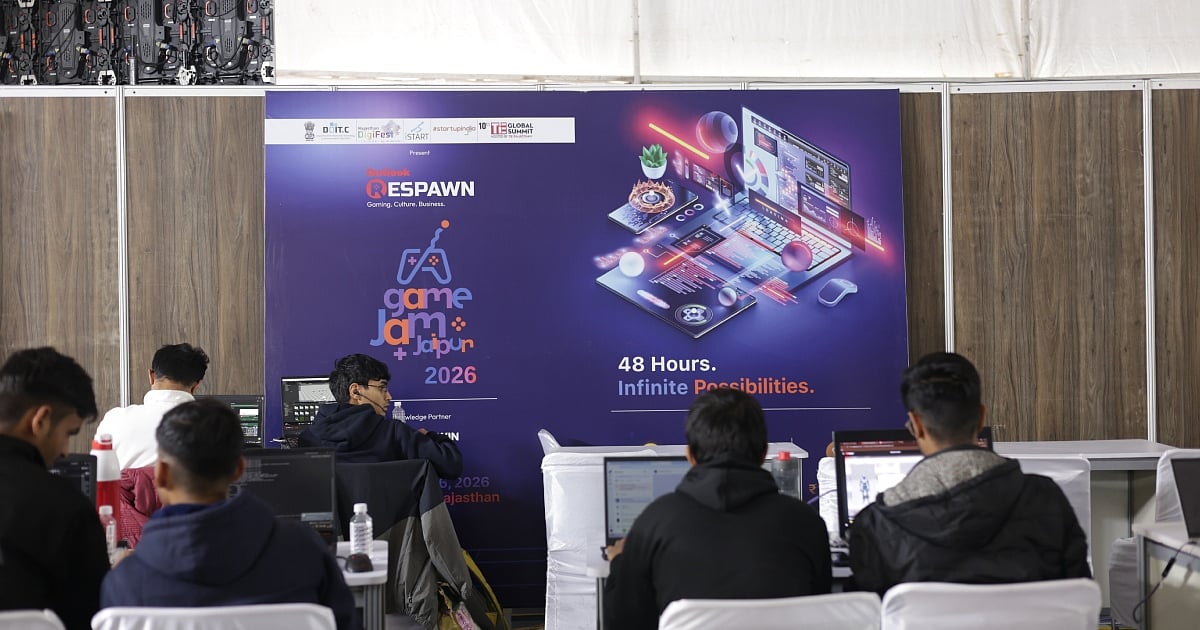
Participants at Game Jam Jaipur 2026
How to Become a Game Developer in India: The Ultimate 2026 Roadmap
Master the 2026 Indian Orange Economy by building a specialized portfolio, mastering Unity/Unreal, and targeting AAA or mobile studios for a high-growth career.

Highlights
- Replace generalist habits with a specialized portfolio targeting specific pipeline gaps in India's mobile-first and AAA landscape.
- Leverage the $9.1 billion "Orange Economy" through targeted education, specialized bootcamps, and realistic salary-aligned career paths.
- Prioritize shipped, playable work over theory by mastering engines like Unity or Unreal to prove undeniable employability.
The game development landscape in India has reached a critical inflection point in 2026. The path from a passionate player to a professional creator is more realistic than ever, but it is a journey that heavily rewards calculated, specialized focus. The days of the "jack-of-all-trades" generalist are fading. Today, you must master a single game engine, aggressively build out small-scale projects, and target a highly specific studio role that perfectly synergizes with your existing background.
The strongest, most viable entry strategy in the contemporary Indian market is a strictly portfolio-first approach. You must recognize that the modern ecosystem is incredibly diverse, spanning high-revenue mobile companies, massive outsourcing powerhouses, gritty indie outfits, and a rapidly solidifying AA and AAA studio network.
The scale of the opportunity before you is staggering, though the arena is highly competitive. India’s online gaming sector—part of the ambitious "Orange Economy"—is officially projected to reach a massive $9.1 billion by 2029. The nation already serves as the home base for over 1,888 gaming companies, fueled by an active workforce of 130,000 skilled professionals. To successfully break into this powerhouse economy in 2026, you need a hardened roadmap. You must prioritize shipped, playable work over abstract theory.
Here is your comprehensive, data-driven Respawn guide to transitioning and leveling up your career in India.
The Checkpoint: Market Reality and Salary Dynamics
India’s gaming industry is expanding at a breakneck pace, but here is the reality check: most job openings are not for the generic title of "game developer." Studios are actively hunting for specialized talent to fill specific pipeline gaps. They want Gameplay Programmers, Unity Developers, UI Artists, 3D Modellers, Technical Artists, Quality Assurance (QA) Testers, and Game Designers. Your entire learning trajectory must be reverse-engineered from the specific role you want, rather than a vague industry label. A practical roadmap in India must also acknowledge the dominance of mobile-first production, the vast volume of outsourced development work, and the highly selective original IP ecosystem.
When it comes to the financial loot, expectations must remain firmly grounded in reality and data. According to recent Indian data from Glassdoor, game developers can expect an average base pay of approximately ₹5 lakh per year. The typical compensation spectrum ranges from roughly ₹4 lakh at the entry-level to ₹11 lakh for more experienced or specialized roles. Because pay fluctuates so sharply based on the hiring company, the city you work in, and your chosen specialization, early-career portfolio quality and hands-on internship experience are vastly more critical than chasing a single "perfect" university degree.
Choose Your Class: Roles Tailored to Your Build
Different starting points naturally complement different industry roles. Success requires picking the pillar that best matches your inherent aptitudes and background.
The Programmer (The Technical Backbone):
If your skill tree is already heavily invested in logic and mathematics, perhaps stemming from a Computer Science, IT, or BCA (Bachelor of Computer Applications) background, the role of a Programmer is an optimal fit. Core competencies like coding, debugging, engine scripting, and untangling complex systems are highly learnable through persistent, hands-on project building. Programmers are the engine of the studio; they must deliver playable, highly efficient systems to prove their worth.
The Game Designer (The Visionary):
If your strengths lie in creative vision, systems thinking, and clear communication, you belong in Game Design. This discipline values a deep understanding of player psychology, narrative flow, and analytical problem-solving far above formal technical coding. Designers dictate the pacing of the player's journey and must showcase their decision-making prowess through meticulous Game Design Documents (GDDs), proving they bring more to the table than just raw, unfiltered enthusiasm.
The Game Artist (The World Builder):
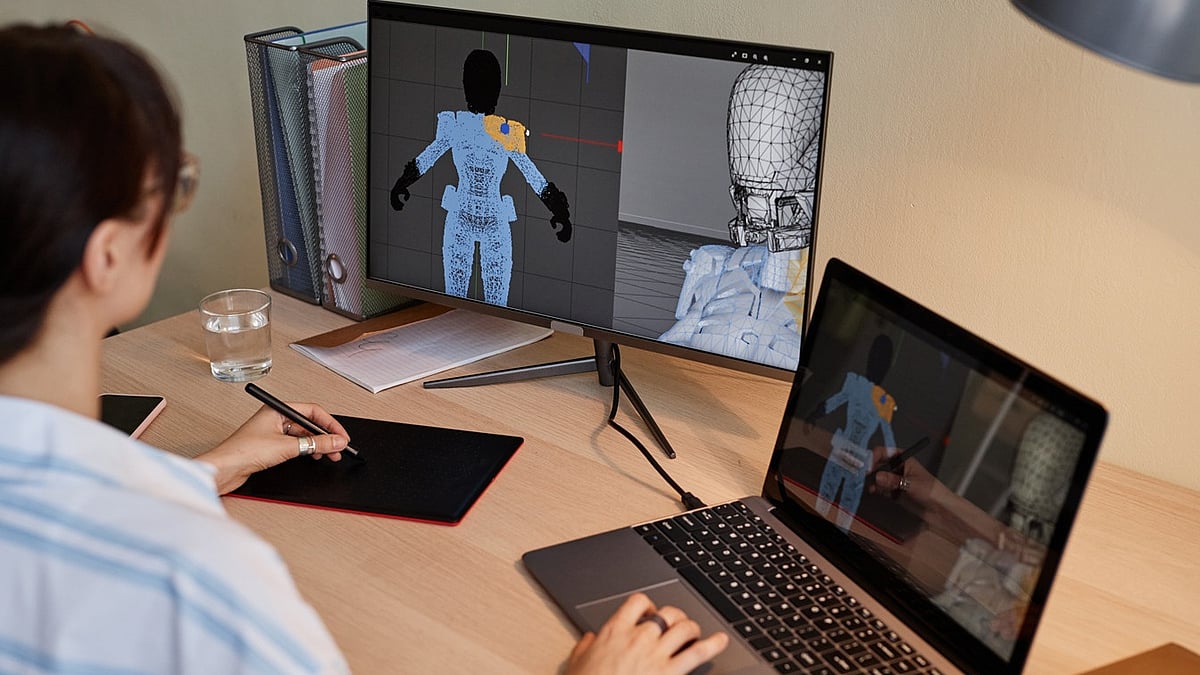
For those wielding backgrounds in animation, fine arts, VFX, or a dedicated self-taught art pipeline, the Game Artist path is incredibly rewarding. Whether working in 2D or 3D, art roles rely on an absolute mastery of visual fundamentals—anatomy, lighting, spatial awareness, and color theory. Artists must back this up with an outstanding visual portfolio, proving they can deliver finished, optimized assets perfectly prepped for engine integration.
Quality Assurance (The Gatekeeper):
QA serves as one of the most accessible and reliable entry portals into the industry. It welcomes individuals from virtually any background, demanding only that you are hyper detail-oriented. QA is far more rigorous than merely "playing games all day." It is the science of systematic stress-testing and meticulous bug reporting. In the Indian market, QA and junior support roles frequently act as a springboard, leading to lateral promotions into production, design, or automated QA engineering once reliability is proven.
The Academy: Education Choices That Actually Work
Let’s dispel a major myth: there is no single, mandatory "Game Dev" degree required to make it in India. While a traditional B.Tech in Computer Science or a BCA provides a clean, easily understood route for programmers, the Indian educational landscape has massively evolved to offer highly specialized pathways.
Institutions like the Backstage Pass Institute of Gaming and Technology (Hyderabad campus) offers targeted bachelor's degrees covering Computer Science, Game Development, and Game Art and Design. Rubika Pune and ICAT Design and Media College (Bengaluru) provide internationally recognized B.Des and B.Sc. programs. These focus heavily on 3D animation, VFX, and game design, rightly emphasizing real production work over outdated theory. In Mumbai, Whistling Woods International also offers specialized pathways in Game Design that brilliantly fuse cinematic storytelling with interactive media.
For flexible learners, career switchers, or those avoiding a four-year commitment, bootcamps and online ecosystems are invaluable. Platforms like Outscal, an Indian game dev bootcamp, provide intensive, mentor-led programs explicitly designed to build portfolios and place candidates in jobs. Global titans like Coursera (specifically Michigan State University's Game Design Specialization) remain excellent resources for mapping existing skills onto modern game engines.
Ultimately, your education choice should follow one golden rule: "Structured learning plus portfolio." If a program does not force you to build shipped projects and develop teamwork habits, look elsewhere.
The Skill Tree: From Zero to Portfolio-Ready
A reliable, actionable roadmap requires grinding through four distinct evolutionary stages:
Stage 1: Learn the Basics. Start with the absolute fundamentals. Learn programming logic, basic game math, Git for version control, and select one engine (Unity or Unreal). Your only goal here is to make a cube or character move, collide, jump, and interact.
Stage 2: Make Tiny Games. Shift to building simple, unoriginal clones: Pong, Flappy Bird, a basic 2D platformer, a top-down shooter, and a small puzzle game. Originality is not the objective. Understanding input parsing, game loops, state management, UI implementation, audio triggers, and save states is the true goal.
Stage 3: Learn Production Skills. Evolve from a hobbyist into a developer. Programmers must add level design, debugging, and optimization to their arsenal. Artists need to master export pipelines, strict asset naming conventions, and engine lighting. Designers must practice game balancing, comprehensive documentation, and blind playtesting.
Stage 4: Become Portfolio-Ready. Publish 3 to 5 highly polished projects. You must include punchy gameplay videos, detailed build notes, and crystal-clear role descriptions. A recruiter scrolling your page needs to know in under 60 seconds exactly what you did, the tools you used, and why your specific contribution mattered.
Three Timelines to Entry
The College Marathon (First-Year Students): This is a calculated marathon. Year one is for mastering basics—one language, one engine, ignoring the panic to specialize too early. Year two shifts to community: join game dev clubs and college game jams. By year three, pick your definitive path (Code, Design, Art, QA) and build one polished team project alongside one solo endeavor. Graduate not with a messy folder of prototypes, but with a lethal, curated portfolio targeting elite internships.
The Pro Career Switch (Working Professionals): This requires a grueling, focused six-to-nine-month sprint. Leverage your existing strengths. A software engineer can pivot to gameplay programming; a graphic designer to UI art. Use evenings and weekends to build a single, unified portfolio piece. A backend IT engineer shouldn't attempt a massive MMO; instead, build one flawless Unity or Unreal project featuring robust menus, complex input parsing, and secure save data infrastructure to prove you understand game-specific workflows.
The Self-Taught Speedrun: Your greatest advantage is speed; your ultimate enemy is a lack of structure. Stick relentlessly to one path, one engine, and one public portfolio (GitHub, itch.io, or ArtStation). Avoid the trap of jumping between shiny new engines. Follow a strict weekly plan, actively solicit brutal feedback on Discord or Reddit, and keep your project scopes microscopic to ensure they actually get finished. Three polished indie games from a disciplined self-taught dev will routinely destroy the resume of a degree-holder with zero shipped work.
YouTube
The Boss Fight: Entry Routes & The Action Plan
How do you actually get in the door? The most realistic routes into the Indian industry are internships, campus hiring drives, entry-level QA roles, indie collaborations, and direct portfolio applications. LinkedIn is currently flooded with India-based openings for Unity, Unreal, and QA roles.
Your first gig is highly likely to come from a dominant mobile studio like Moonfrog Labs, an outsourcing heavyweight like Lakshya Digital, or a co-development firm. Once you have 1 to 3 shipped titles under your belt, you can scale up to target larger domestic companies building original IP, such as SuperGaming, or aim for remote global studios. (Note: Global studios demand C++/C# fluency, immaculate pipelines, and concrete proof of teamwork).
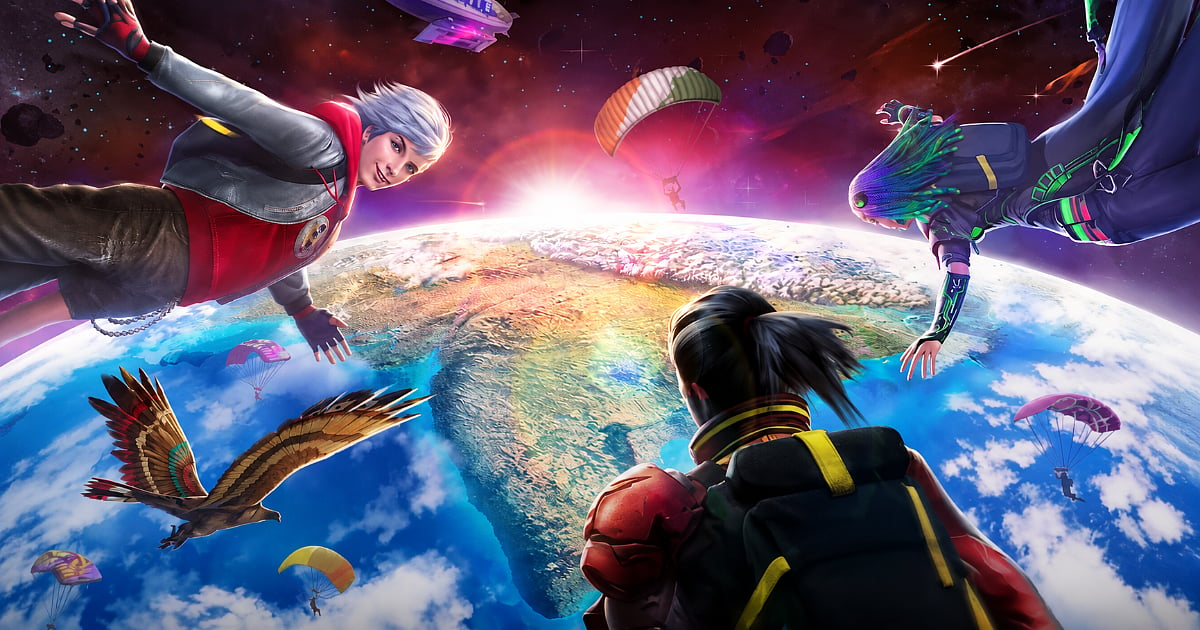
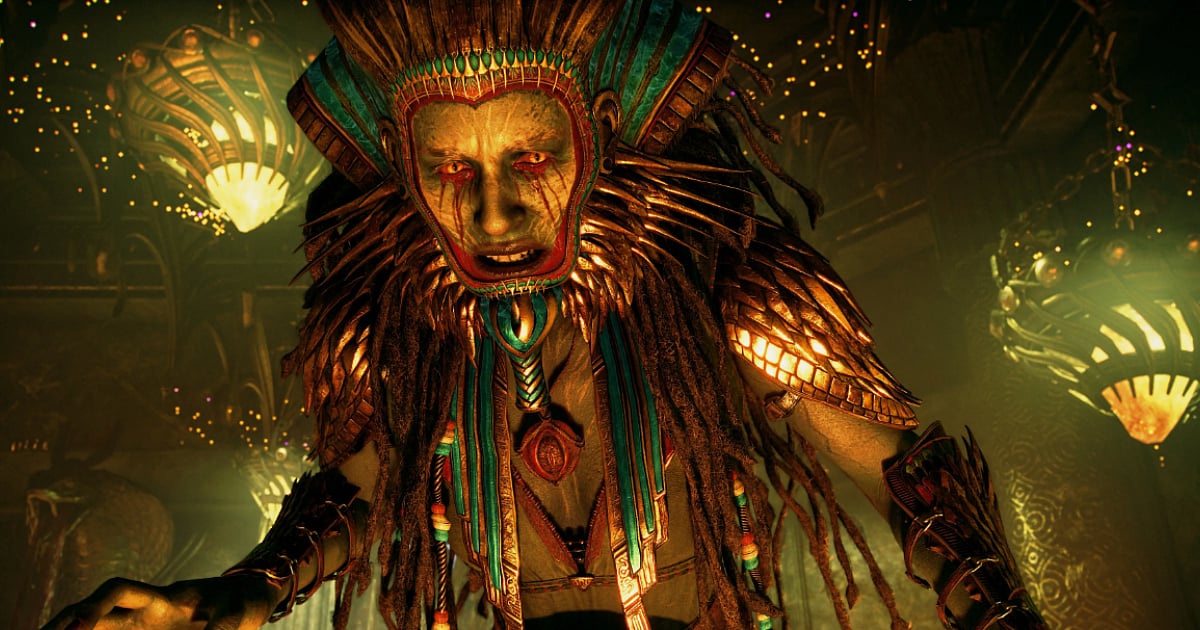
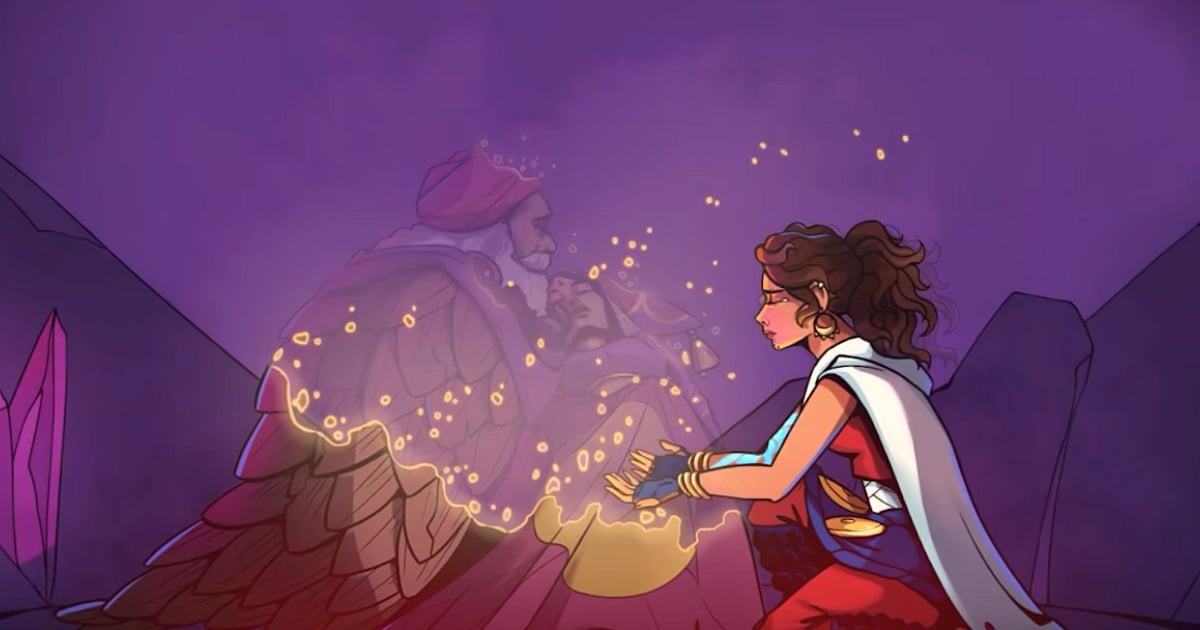
The developers who shipped homegrown Indian hits like Raji: An Ancient Epic or those currently scaling Indus Battle Royale, didn't come from elite global universities but were hired because they had playable, undeniably impressive portfolios.
The ultimate golden rule for 2026 shouble be to finish more than you start. One single, highly polished portfolio project heavily outweighs five broken, unfinished prototypes. By the end of your sprint, you aren't aiming for absolute mastery; you are aiming for undeniable, documented employability. Load up your engine and start building.

Author
Krishna Goswami is a content writer at Outlook India, where she delves into the vibrant worlds of pop culture, gaming, and esports. A graduate of the Indian Institute of Mass Communication (IIMC) with a PG Diploma in English Journalism, she brings a strong journalistic foundation to her work. Her prior newsroom experience equips her to deliver sharp, insightful, and engaging content on the latest trends in the digital world.
Krishna Goswami is a content writer at Outlook India, where she delves into the vibrant worlds of pop culture, gaming, and esports. A graduate of the Indian Institute of Mass Communication (IIMC) with a PG Diploma in English Journalism, she brings a strong journalistic foundation to her work. Her prior newsroom experience equips her to deliver sharp, insightful, and engaging content on the latest trends in the digital world.