




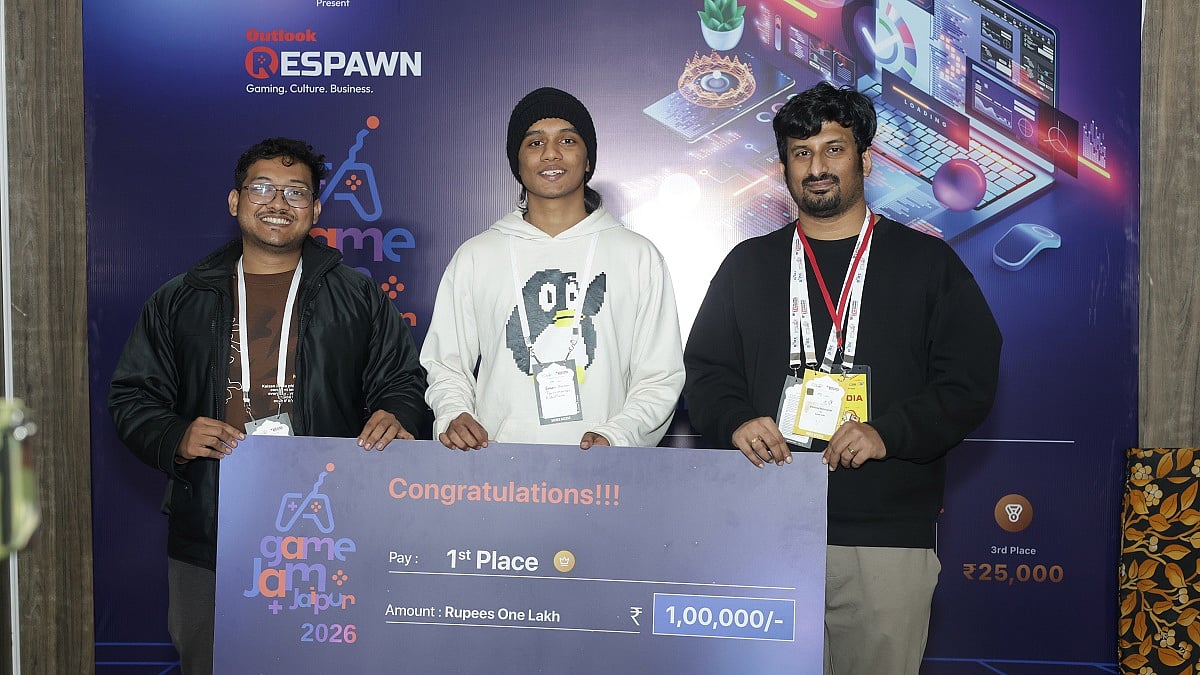
Team Elder Monk at Game Jam Jaipur 2026
Game Jam Jaipur 2026 Winners Show How Devs Think Under Pressure
The winners of Game Jam Jaipur 2026 discuss their design process, team dynamics, and how Spicy Vendor came together under pressure.

Highlights
- Team Elder Monk Interactive approached Game Jam Jaipur 2026 with a focus on restraint and competing under pressure.
- The team redesigned their systems to incorporate visual feedback and emotional cues in gameplay.
- The jam experience reshaped how the team views development.
Game Jam Jaipur 2026 brought together developers from varied backgrounds to compete under pressure for a first-place prize of ₹100K ($1,087). Team Elder Monk Interactive, whose project Spicy Vendor approached game design through strict discipline, secured the win. Built by Sarbojit Mandal and Soham Chavan, the game centered on barter, negotiation, and a consequence system instead of traditional currency-driven gameplay.
Rather than chasing complexity, the team focused on clarity. Every mechanic served a purpose, every visual communicated intent, and every system was designed around player reaction rather than explanation.
Speaking on behalf of the team, Chavan reflected on how the jam forced them to rethink not just what they were building, but how they approached development under pressure. What emerged was not simply a winning project, but a shift in mindset that reshaped how the team now views game creation.
Game Jam Jaipur 2026 and the Team Behind Spicy Vendor
For Chavan, participation at Game Jam Jaipur 2026 was driven by necessity rather than competition. The team had been facing a creative block on a personal project and needed an external push to regain momentum.
He explained, “We wanted some creative flow, so we thought, ‘let's just participate in some game jams.’ I started searching for game jams on Google, and I found Game Jam Jaipur.”
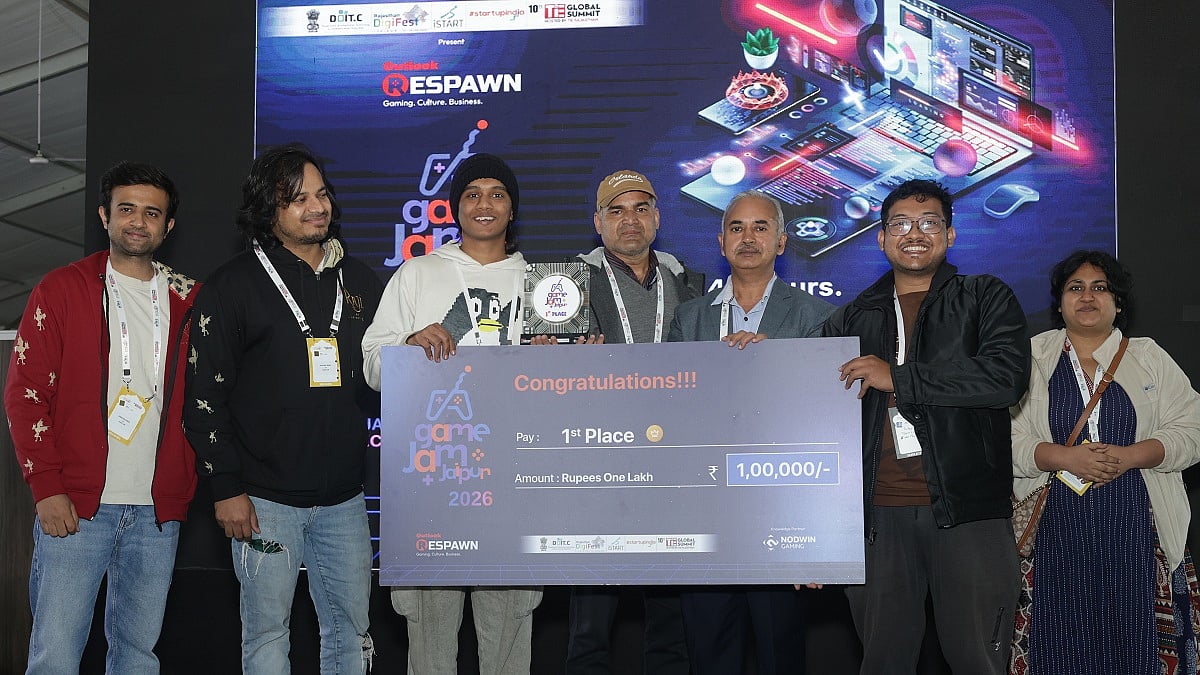
Game Jam Jaipur 2026
Chavan’s relationship with games began long before college, shaped by hours spent on his father’s old bootleg NES (Nintendo Entertainment System) console playing titles like Mario and Flintstones. Those early experiences gradually grew into fascination, but it was Prince of Persia: Warrior Within that cemented his interest.
That curiosity eventually pushed him toward understanding how games were made rather than simply played. Without structured mentorship early on, he learned through experimentation, trying tools, breaking systems, and slowly piecing together fundamentals. By the time university began, game development had evolved from a hobby into a serious pursuit.
Building Spicy Vendor Around Barter and Player Emotion at Game Jam Jaipur 2026
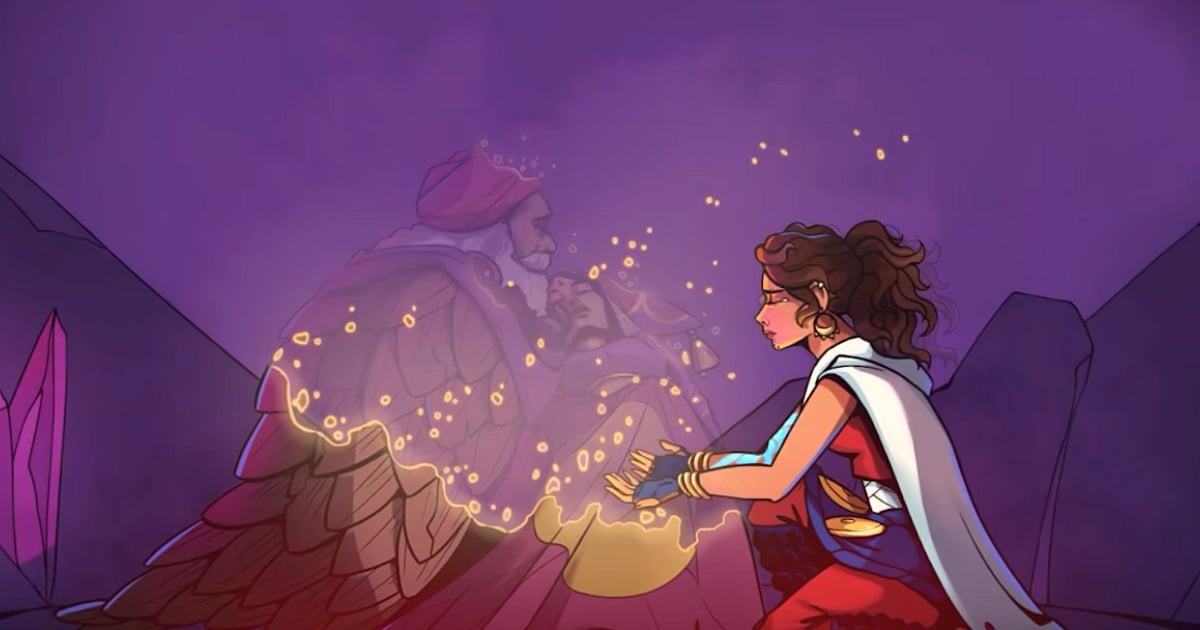
The core idea behind Spicy Vendor was intentionally simple. Instead of money, the game operates entirely on barter. Players exchange items directly, negotiating value rather than price. From there, the team focused on how to make those interactions engaging without overwhelming the player.
He explained, “We came up with patience meters and emotions based on bargaining levels to signify how the bargaining works. If you are bargaining a certain amount, the percentage of the other guy accepting that bargain shows through visual cues.”
To introduce pressure and progression, the team added a daily mafia collection system. Each day requires surrendering one of four limited items. Failure ends the run, while success allows the game to continue indefinitely. The result was a loop built entirely on tension, choice, and consequence, without relying on combat or complex progression trees.
One of the most defining decisions Team Elder Monk Interactive made happened before development fully began. The team set a strict internal rule that once six hours had passed, no new mechanics could be added. From that point onward, systems would only be removed or refined.
Chavan elaborated on the creative process, stating, “It is a slow process where we sit down, mark what we need to do, subtract what we don't, and try to keep it as transparent as possible for each other.”
By cutting features before implementation rather than after, the team avoided late-stage chaos and maintained momentum throughout the event, even finding rare moments to rest while others scrambled to stabilize builds.
How the Game Jam Development Cycle Changed Their Thinking
Outside jams, the team’s development process was slow and flexible. Ideas were discussed over time, features were added gradually, and deadlines remained loose. The game jam demanded the opposite. Decisions had to be immediate, priorities constantly reassessed, and disagreements resolved quickly.
Tension was unavoidable. Lack of sleep amplified conflicts, and some arguments played out publicly, something the team now looks back on with humor.
Chavan revealed, “We did have some arguments because time was short and we were all sleep deprived. There was a lot of heat. A lot of people saw us arguing, which was really funny because we were really embarrassed about it.”
Yet those moments clarified what truly mattered. Unlike personal projects, where features can be added and balanced later, the jam forced subtraction first. Only core mechanics survived. That shift fundamentally changed how the team now approaches development, reinforcing the idea that completion often matters more than ambition.
The team built Spicy Vendor using Unity, largely due to comfort and speed. Learning a new engine under time pressure would have slowed development, while Unity allowed rapid prototyping and quick iteration across systems and visuals.
Mentorship, however, had the greatest impact on the game’s final form. Early builds relied heavily on text-based explanations, something mentor Aditya Subramanian immediately challenged.
That advice pushed the team to replace explanation with visual feedback. Later, mentor Vikram Khazanchi pointed out that the sprites lacked expressive clarity. Characters did not visually communicate emotion strongly enough. Acting on this feedback, the team redesigned facial expressions and reactions, significantly improving readability without adding new mechanics.
What Winning Game Jam Jaipur 2026 Meant for Team Elder Monk Interactive
By the end of Game Jam Jaipur 2026, Team Elder Monk Interactive walked away with more than a winning entry. The experience confirmed that despite creative differences, they function effectively under pressure. Each member complements the other, filling gaps rather than competing for control.
Team Elder Monk Interactive
The team understood that structured constraints could accelerate decision-making rather than hinder it. The prize money brought tangible benefits as well, giving them a modest marketing budget for their independent project and allowing them to think beyond purely organic reach.
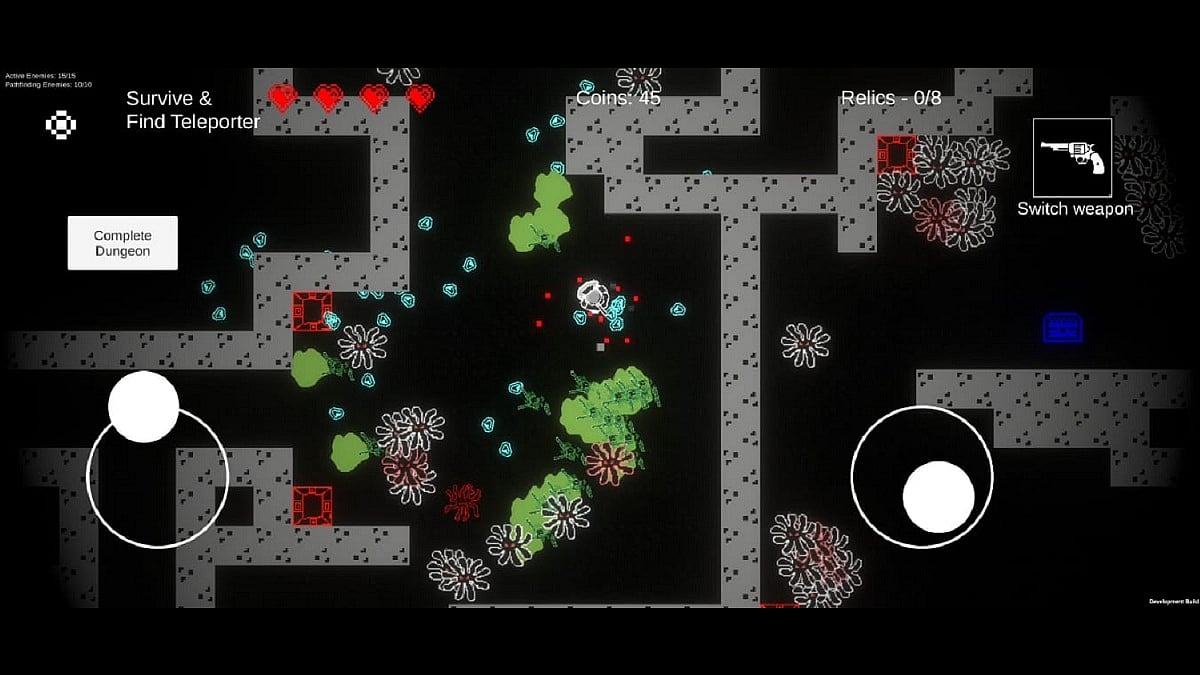
The team is currently working on ONE BIT KILL, a roguelite game about killing aliens. They are adopting a monochrome artstyle to add a retro touch to the experience, and intend to release it by 2026. Team Elder Monk Interactive has taken home learning experiences that will help the developers work better as a team.

Author
Abhimannu Das is a web journalist at Outlook India with a focus on Indian pop culture, gaming, and esports. He has over 10 years of journalistic experience and over 3,500 articles that include industry deep dives, interviews, and SEO content. He has worked on a myriad of games and their ecosystems, including Valorant, Overwatch, and Apex Legends.
Abhimannu Das is a web journalist at Outlook India with a focus on Indian pop culture, gaming, and esports. He has over 10 years of journalistic experience and over 3,500 articles that include industry deep dives, interviews, and SEO content. He has worked on a myriad of games and their ecosystems, including Valorant, Overwatch, and Apex Legends.