




Highlights
- Anime India's vision positions the convention as a hybrid B2B-B2C platform connecting fans, studios, partner brands, and Indian creators.
- Through India-Japan collaboration, organizers aim to adapt Indian stories into global anime productions.
- The initiative fosters cultural localization and Indian creators' growth by providing them a platform with "authentic reach."
India’s first anime convention, Anime India, is positioning itself as more than a fan gathering, aiming instead to function as a long-term ecosystem for animation, gaming, and creator development in India. As per its organizers, the hope is that “Indian stories will travel the world.”
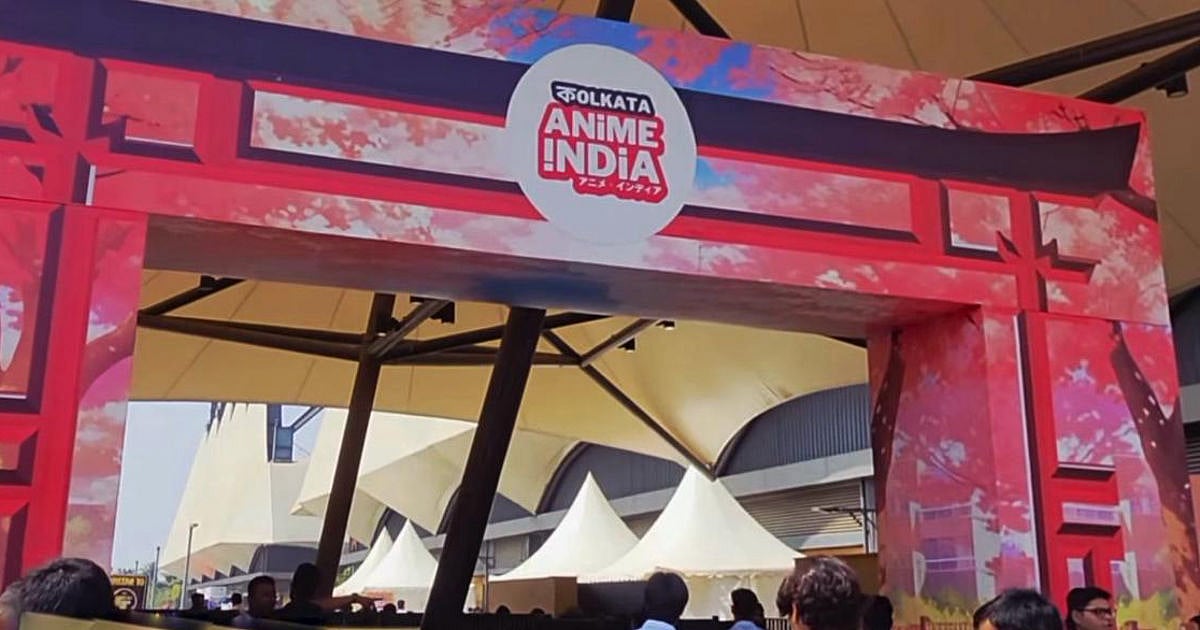
In conversation with Outlook Respawn at Anime India Kolkata 2026, Mishaal Wanvari (director), and Neha Singhal Mehta (chief operating officer) of AnimationXpress discussed the structure and vision behind the establishment of Anime India. The two core members of the Anime India team described the event as a hybrid platform that combines consumer engagement with industry networking and talent discovery.
The Kolkata show focused primarily on fan-facing B2C programming, including guest appearances, workshops, brand activations, and creator showcases. Additionally, parallel panel discussions and industry sessions explored India-Japan collaboration, and the possibility of adapting Indian stories into anime productions.
Organizers framed the convention as part of a broader attempt to localize anime culture rather than simply import it. Both Wanvari and Mehta emphasized that they hope to turn India’s fandom into production capacity, and to bring original intellectual properties.
Indian Storytelling at the Center of Anime India’s B2B-B2C Model
Anime India operates with two different formats depending on the city. The Mumbai edition in 2025 included both B2B and B2C interactions, while Anime India Kolkata was designed mainly as a fan event.
“In the B2B, we have Japanese anime companies coming and meeting Indian broadcasters and streaming platforms to buy and sell anime,” Wanvari said. He emphasized that, even in the B2C events, they aim to create a dialogue that focuses on “Indian stories” adaptation into anime.
During the event, a session by AVX Pictures president Hideo Katsumata focused on India-Japan storytelling collaboration. “A lot of anime companies are looking at making Indian stories,” Wanvari highlighted, citing a similar cross-cultural production, Solo Leveling, a Korean manhwa-based anime that became a success.
Outlook Respawn
“We see a future where Indian stories can also come,” Wanvari said, suggesting anime’s production style could be applied to local narratives rather than limiting itself to Japanese source materials. The strategy positions Anime India as an intersectional space between trade expo and fan convention, using audience engagement to amplify Indian storytelling.
Anime India Emphasizes Creator Opportunities and Cultural Localization
Organizers emphasized that the platform is intended to help Indian artists move beyond fan art into original production pipelines. “It’s about using anime as a medium, not just Japanese anime — also Indian anime,” Wanvari said, referencing animation studios such as ELE Animations and independent manga creators exhibiting at the event.
Mehta added the convention gives artists “a platform with authentic reach where their art form can be celebrated and maybe picked up and made into a movie or series.” Her statement indicated the creation of original IPs with “new characters” to be discovered from independent creations.
The Kolkata edition highlighted localized fandom culture as well, including a region-specific Bong Cosplay showcase at the event. Mehta said that with the artistic audience at the Kolkata edition, they wanted to provide a platform for artists to learn. They specifically focused on bringing Haikyu!! director, Susumu Mitsunaka, to the city, who conducted a workshop, alongside a session on storyboarding.
Anime India’s Nationwide Expansion and Tier-2 Market Strategy
The convention’s roadmap is structured geographically covering Tier-1 metro cities and Tier-2 cities like Indore. “We wanted to experiment with a Tier-2 city to see how the fan following will be,” Mehta said, while noting that Indore’s geographical position also helps to complete the nationwide coverage.
Anime India
Anime India’s roadmap includes different cities across the country, including Mumbai, Delhi, Kolkata, Hyderabad, and Indore, with a possible penetration into “other cities” in the future.
Organizers cited growing institutional support from the Indian government for creative industries (AVGC-XR industry) as a contributing factor as well. With the convention’s current vision, Anime India is testing whether the country can sustain a widespread convention ecosystem while creating newer markets and more opportunities for the youth.
Anime, Games, and the Gen-Z Audience at Anime India
Gaming integration is central to Anime India’s programming strategy. Rather than focusing on a single title or genre, organizers say the goal is broader engagement across interactive media. As per Wanvari, both Mumbai and Kolkata editions featured gaming titles that were easy to get.
Outlook Respawn
Future editions are expected to expand beyond current showcases of Street Fighter, Pokemon Legends, and 2XKO, and include more titles, such as Japanese MMORPGs, adventure games, and tabletop and card games.
He emphasized that in coming editions there might be a lot of esports titles as well, as the convention is targeted at the Gen-Z audience who play across diverse gaming genres, including BGMI. Anime India Kolkata also featured Versus Experience with Indian FGC, with prominent SF players such as FREESER.
Rather than serving purely as a celebration of imported media, Anime India’s organizers described the convention as infrastructure that becomes a pop-culture hub combining animation, gaming, and social participation. With the convention proving a place where audiences, studios, and independent artists intersect, Anime India will continue testing whether this model can result in a global Indian animation production pipeline.