





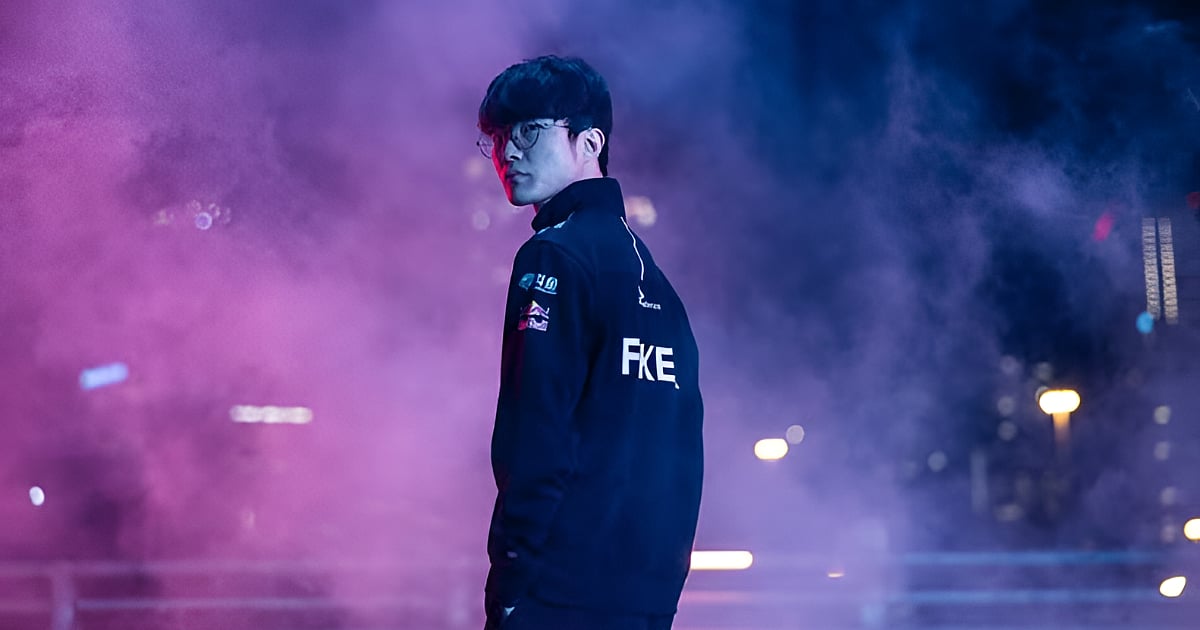
T1 and ROK Navy Sign MoU for Digital Warfare Training
T1 Partners With South Korean Navy for Digital Warfare Training
Esports organization T1 signs MoU with Republic of Korea Navy to help enhance digital warfighting capabilities.

Highlights
- T1 and the Republic of Korea Navy signed an MoU to enhance digital warfare training.
- Collaboration focuses on data-driven command-and-control and simulation training.
- The digital warfare training aims to strengthen Korea’s national maritime border security by 2030.
South Korea’s Republic of Korea Navy has formalized a strategic partnership with esports organization T1, aimed at advancing digital warfare training and operational capability. The memorandum of understanding (MoU), signed on Feb 12, pairs T1 with the Navy’s Force Analysis, Test and Evaluation Group in an effort to incorporate esports’ data-driven strategies with naval simulation models.
Officials said the collaboration will focus on cognition, command-and-control processes, and modelling and simulation (M&S). The targeted areas require rapid decision-making and team coordination. The effort comes as the South Korean Navy plans to develop an “AI combat staff officer."
Under the MoU, T1 will collaborate with Navy analysts and trainers to find how gaming simulation data and competitive strategies may enhance digital training tools and decision-making support systems. With the MoU, both parties seek to bridge the gap between civilian technologies and digital warfare spaces.
T1’s chief operating officer, Ahn Woong-gi, positioned the agreement as a strategic alliance to combine esports’ “soft power” with the navy’s “hard power,” and develop what he called “smart power” at the national security level. Both parties have outlined plans to host seminars and academic conferences.
South Korea Enhances National Security Training with T1
T1, one of South Korea’s most prominent esports organizations known for its performance in League of Legends and Valorant esports, brings team-based strategy and tension-management insights to the navy's training model. The naval security also aims to use the esports-driven simulation techniques within its training model for naval operations.
The world of esports is driven by tactile decision-making in a dynamic digital warfare zone. Previously, the UK has introduced the International Defence Esports Games, aiming to enhance the UK military's digital skills for modern warfare. Such initiatives show the blurring gap between civilian technologies and national security models, in accordance with the rapidly evolving nature of modern warfare.

Author
Kamalikaa Biswas is a content writer at Outlook Respawn specializing in pop culture. She holds a Master's in English Literature from University of Delhi and leverages her media industry experience to deliver insightful content on the latest youth culture trends.

Related Articles