Cube 3D Powers Roblox’s New 4D Interactive Object Tools
Cube 3D Powers Roblox’s New 4D Interactive Object Tools
The Cube 3D and new 4D tools power Roblox’s next phase of AI game creation

Highlights
- The Roblox AI tool enables 3D and 4D interactive object generation from text prompts.
- The Cube 3D foundation model has produced 1.8M assets since March 2025.
- “Real-time dreaming” AI previews prompt-driven world generation.
Roblox has launched an open beta artificial intelligence (AI) creation tool that enables developers and players to generate interactive in-game objects using text prompts. Announced in a company blog post, the feature expands its earlier 3D asset systems into functional ‘4D creation.’
The rollout follows market reaction to Google’s Genie world-generation reveal, which triggered investor scrutiny across major game publishers, including Roblox.
The timing reflects intensifying competition around AI-driven game development. Google’s Genie demonstrated prompt-based interactive world creation, prompting debate over how quickly generative AI could reshape production pipelines.
Publisher responses have emphasized adoption while tempering expectations. Take-Two Interactive President Karl Slatoff described Genie as “very exciting technology” but closer to procedurally generated interactive video than a full game engine.
Roblox's open-source Cube 3D foundation model, released publicly on GitHub and Hugging Face, generates 3D assets from native training data. It has produced more than 1.8M objects since its launch in March 2025. The company stated Cube will underpin future multimodal scene-generation systems trained on text, images, video, and 3D inputs.
Roblox AI Object Generation and 4D Creation Tools
The new system allows creators to embed AI generation directly inside experiences. Players can produce objects they can drive, fly, or use interactively. At launch, tools support two schemas. “Car-5” enables modular vehicles with functional wheels, while “Body-1” supports single-mesh objects.
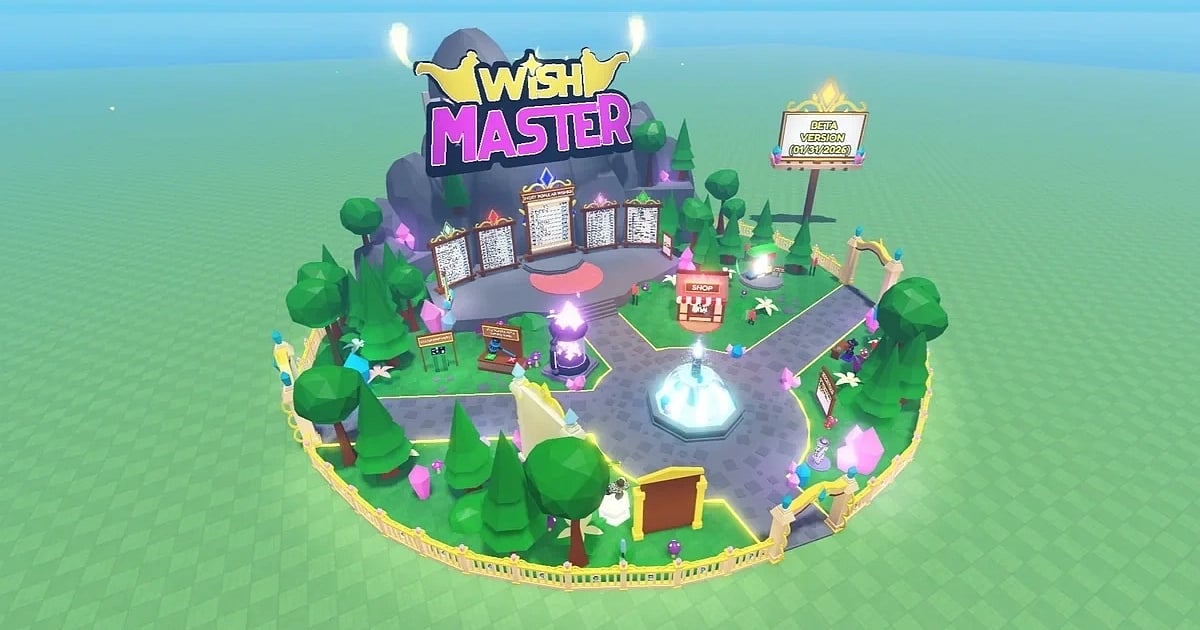
The 4D object-generation feature has already been deployed in Wish Master, where players generated more than 160K items in six months. Creator Laksh stated that users engaging the tool showed a 64% increase in average playtime.
Roblox is also researching image-to-3D generation and customizable schemas. Anupam Singh, Senior Vice President (SVP) of Engineering at Roblox, noted that the company is “actively working on our end vision of an open vocabulary schema system that will allow the creation of any schema.”
Separately, Roblox previewed “real-time dreaming,” a research initiative exploring the generation of live environments. Demonstrations showed AI worlds responding instantly to prompts such as environmental disasters or terrain changes. The project remains in development with no timeline.
“The next frontier of creation on Roblox is the continued AI-driven evolution of our creation platform,” Singh said, adding that the company envisions creators generating immersive environments through natural-language workflows.
Roblox maintains that AI will augment rather than replace traditional development. As generative tooling expands from objects to full scenes, its industry impact will depend on balancing automation with creator-led design and safety concerns already shaping adoption debates.

Author
Probaho Santra is a content writer at Outlook India with a master’s degree in journalism. Outside work, he enjoys photography, exploring new tech trends, and staying connected with the esports world.