





Major 2025 games stumble at launch.
Game Launches That Failed to Meet Expectations in 2025
2025's worst game launches saw hype over execution. Here are some big names that couldn’t convert buzz into sales this year.

- Big-budget games flopped despite heavy hype in 2025.
- Franchise names and established IP like CoD: Black Ops 7 no longer guarantee player loyalty.
- With GTA VI delayed, the gaming industry felt the losses quite sharply.
The video-game industry faced a familiar conundrum in 2025, where spending increased substantially but success remained flat. Big-budget games Black Ops 7 and MindsEye that were widely anticipated panned at debut, also eroding player confidence. With such faultlines in view, publishers now face increased pressure to reconsider their scaling, quality, and timing for 2026.
Despite chart-topping triumphs like Clair Obscur: Expedition 33 and Ghost of Yotei, not all high-profile releases took advantage of the excitement. A group of strongly promoted titles arrived with technical faults and design errors. Weak audience engagement immediately followed, revealing a disconnect between hype and execution.
Biggest Game Flops of 2025
A Disastrous Open-World Bet: MindsEye
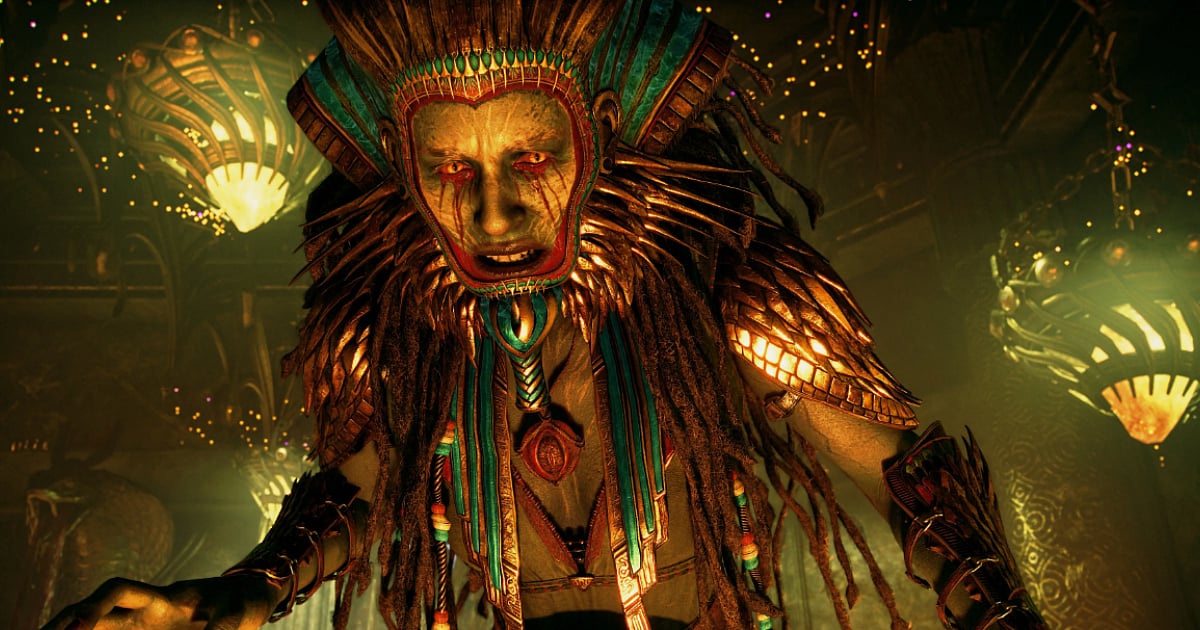
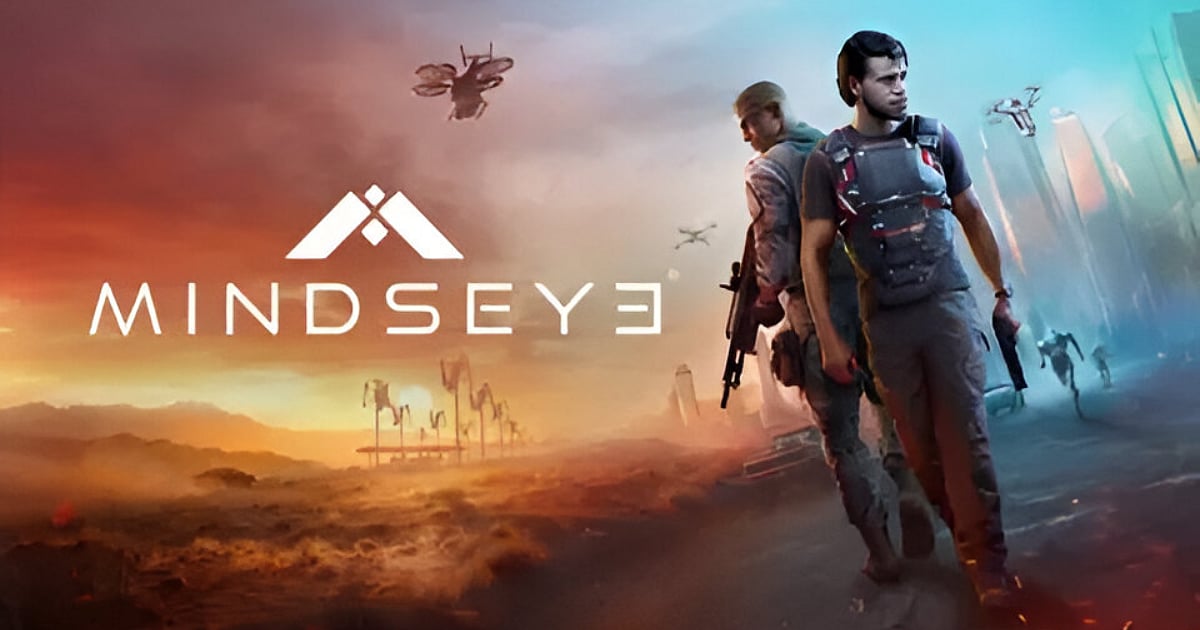
MindsEye leads the list of biggest game launch failures 2025 by betting heavily on narrative ambition without a robust foundation. Led by former Grand Theft Auto architect Leslie Benzies, the game was billed as a genre-reshaping open-world experience. Instead, critics condemned it for widespread problems, inconsistent AI behavior, and unimaginative mission design. Early users also complained of frequent crashes and optimization concerns across platforms.
Metacritic gave MindsEye largely unfavorable reviews, ranking it among the year's lowest-rated titles and indicating a discrepancy between the pre-release story and the post-launch reality. Its peak Steam player count remained small, and refund requests increased as communities soured on what was promoted as a watershed moment for AAA. For developers, the game's reception highlighted a larger industry tension that ambition without execution exposes even vast coffers.
Franchise Fatigue and Format Missteps: Black Ops 7
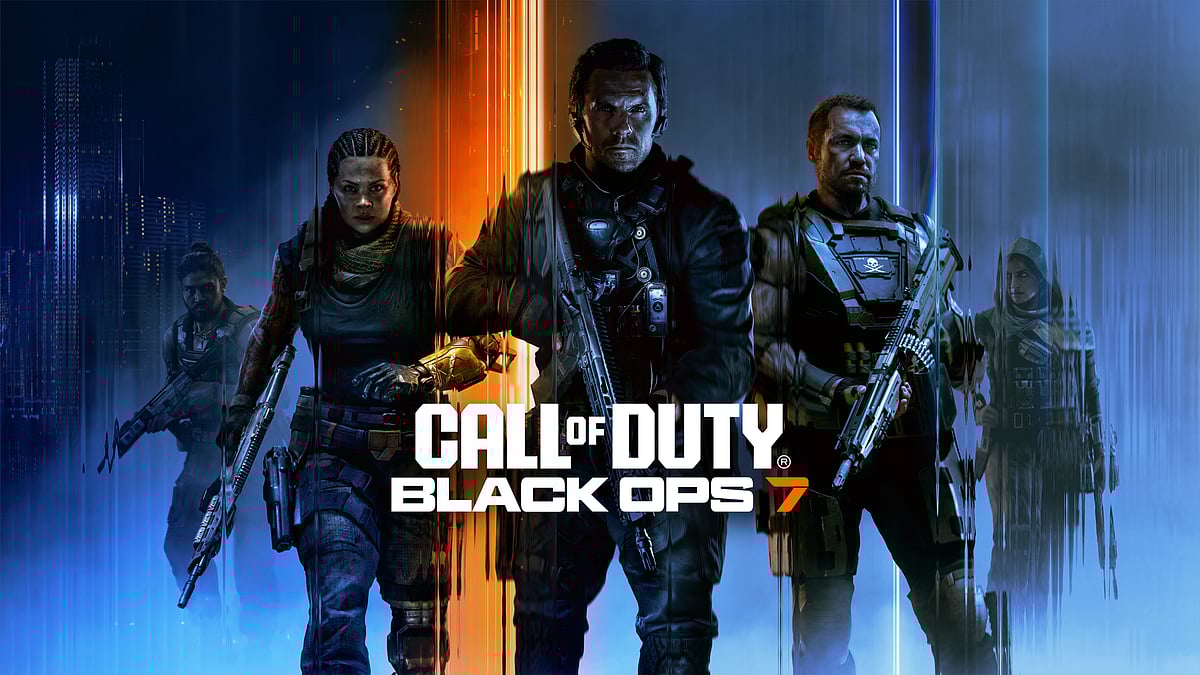
Even Call of Duty, a perennial franchise, proved to be vulnerable. Black Ops 7, another title amongst failed video game releases in 2025 was marketed as a progression, with the campaign moving toward an always-online, cooperative structure. For many players, the move was less of an innovation than a departure from the series' defining solo experience.
As per industry reports, removal of common safeguards, such as pause functionality and regular checkpoint pacing, was noted as a structural error. Players further stated that the game’s narrative and level design felt hurried or underdeveloped. By the end of the year, Black Ops 7's co-op campaign was noted as one of the worst game launch mistakes of 2025 and had been widely mentioned as an example of constricted production priorities.
However, Black Ops 7's multiplayer and Zombies modes have received positive feedback. Nonetheless, the game's poor debut revealed the limitations of franchise loyalty. It also fueled industry debate about whether yearly sequels can bring real innovation while preserving player engagement.
Xbox Wire
Technical Turbulence on PC: Monster Hunter Wilds
Early in 2025, Monster Hunter Wilds by Capcom was a huge hit on consoles and Steam. However, the PC version was constantly criticized for optimization issues, including stuttering and erratic visuals that upset loyal users. High-end systems also experienced performance issues mere months after the debut, highlighting that technical challenges can slow down a game's long-term growth, even with early success.
The game's platform disparity also highlighted the difficulty of multi-platform optimization in an era when cross-play and hardware variety are industry practices. A title that could have been an economic smash was hindered by performance issues that alienated its key fan base.
Identity Crisis RPG: Avowed
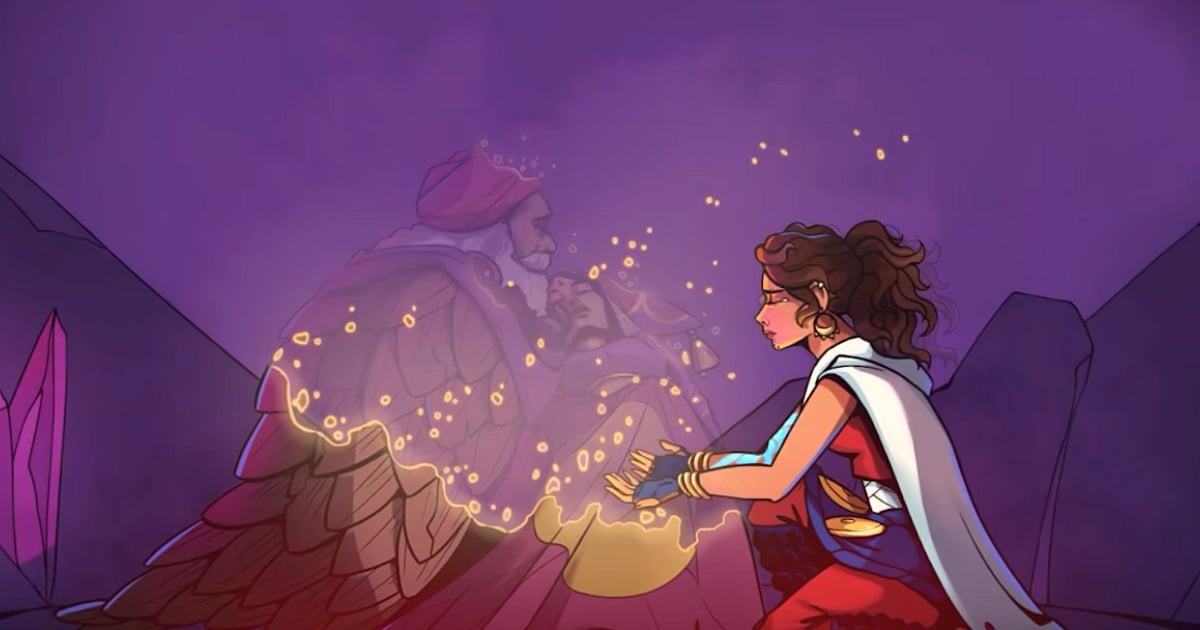
Obsidian Entertainment's Avowed faced a unique problem because of its creative launch and fluctuating design philosophy. The game was once touted as a dark, Skyrim-style open world, but it eventually evolved into a more colorful, zone-based RPG. Many players complained about lack of narrative depth, role‑playing depth, without compelling combat.
Metacritic scores showed Avowed ultimately receiving mixed reviews rather than widespread acclaim, depicting an identity tension. Additionally, it also demonstrates how early marketing and development shifts impact expectations for a big RPG like Avowed, despite achieving baseline quality.
Hype Meets Harsh Market Realities: FBC: Firebreak
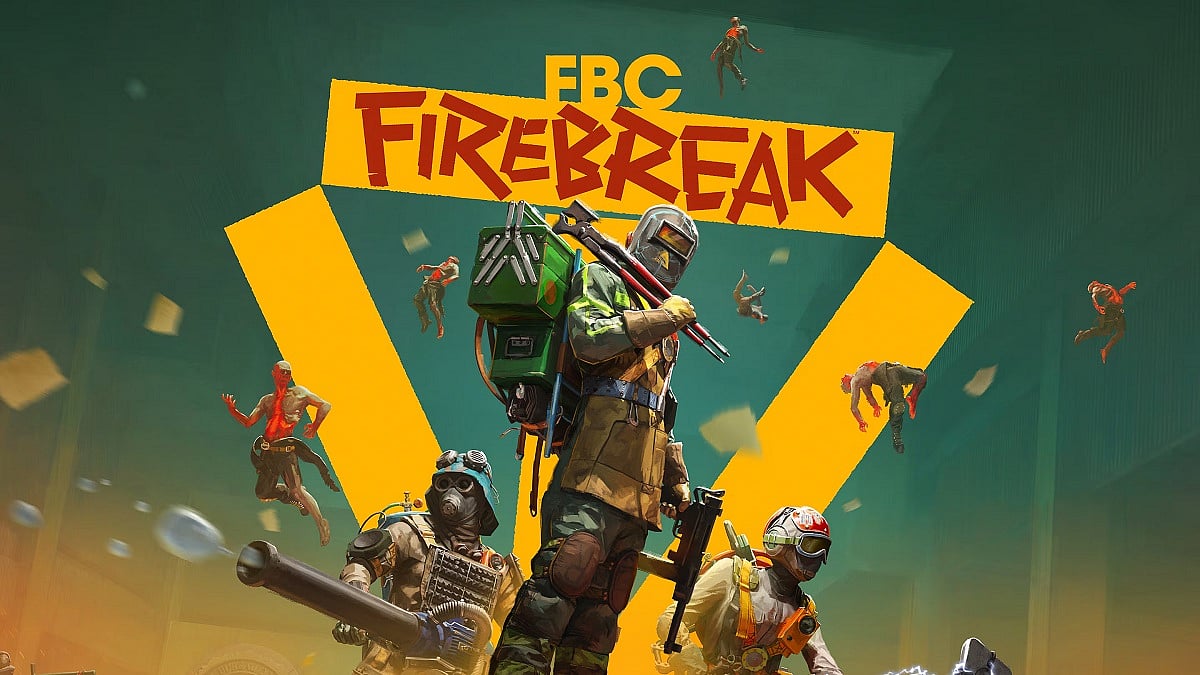
In 2025, Remedy released FBC: Firebreak, a co-op shooter game set in the Control world. Despite the studio's established IP and atmospheric design, the game failed to translate brand familiarity into long-term engagement or commercial success, resulting in plummeting player numbers.
FBC: Firebreak turned out to be one of the biggest game flops of 2025, after its structural flaws were highlighted by the game’s mixed critical reviews on Metacritic and lukewarm player response. The players cited repetitive gameplay, limited content, unclear mechanics, and a poor narrative as major issues.
The game missed Remedy's sales and retention expectations, resulting in a profit warning and severe non-cash impairment of €14.9 million. The consequences extended to the upper ranks, with Remedy's CEO resigning amid criticism. The game’s post-launch improvements temporarily increased engagement; however, Firebreak remains a cautionary tale. It shows how an excellent IP alone cannot ensure success in the competitive live-service multiplayer space, thus making it the biggest game flops of 2025.
Remedy Entertainment
Innovation, Overreach, and Market Missteps: Splitgate 2
Splitgate 2 entered 2025, hoping to expand its portal-based premise into a free-to-play competitive shooter, but it rapidly ran into an identity crisis. Metacritic gave the game mixed reviews, with critics pointing out that it was under-ambitious, mechanically unfocused, and lacking in modes, advancement, and meta depth.
Developer 1047 Games acknowledged the launch issues and relaunched the game in open beta. But the extended development further resulted in layoffs and the closure of the original Splitgate servers. It showcased how sequels that rely on inherited novelty rather than apparent reinvention can fail in a saturated multiplayer FPS market.
Failed Launches in a Year Without a Backstop: Game Industry 2025
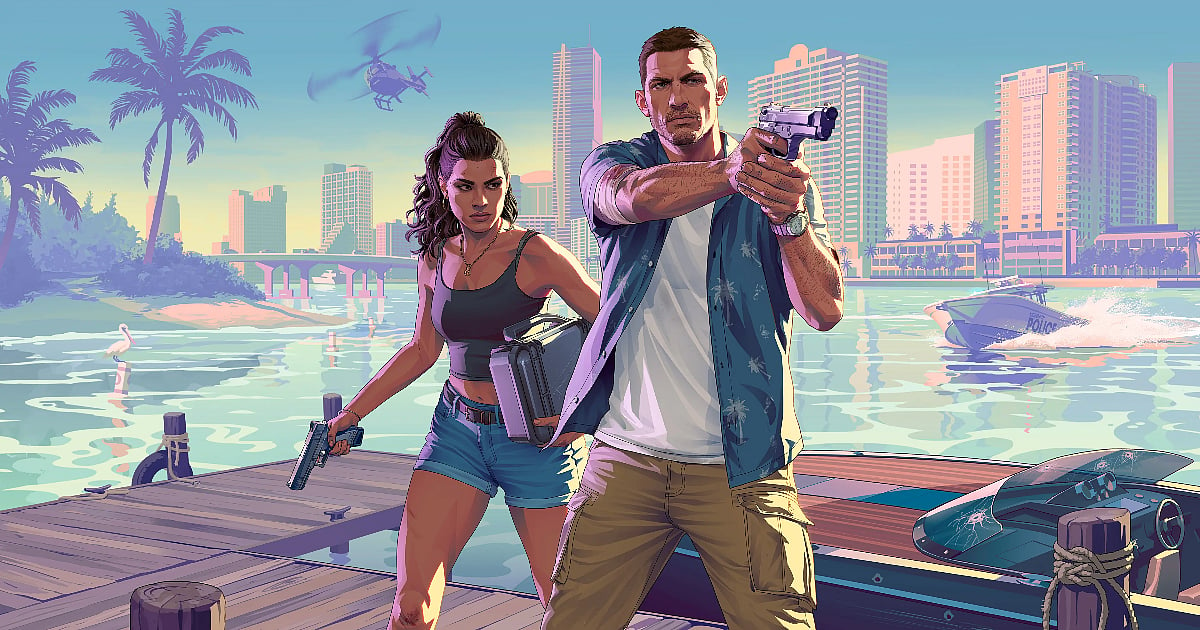
2025 was a challenging year for the global games industry, with rising prices, cautious consumer spending, and a shrinking release slate limiting growth momentum. While numerous titles were delayed or scaled back, the industry lacked the type of blockbuster release that traditionally anchors annual sales cycles. Most significantly, Grand Theft Auto VI, which was supposed to be a defining release, has been pushed back to 2026. Analysts estimate that its absence alone cut expected 2025 industry income by almost $2.7 billion, demonstrating how reliant the market is on tentpole releases.
Rockstar Games
That absence put undue pressure on mid-tier releases, revealing execution risk across the business. MindsEye, Avowed, Splitgate 2, and FBC: Firebreak all launched with varied degrees of technical difficulties, uncertain design direction, or low player retention, resulting in high development spending being a financial drag rather than a growth driver. The risk was most clearly highlighted by Remedy Entertainment’s FBC: Firebreak which resulted in a million-dollar cash impairment and a downward revision to profit forecasts.
At the same time, investors' patience dwindled. According to industry forecasts, venture funding for gaming startups decreased to approximately $627M by mid-2025, the lowest level in years, even as total industry revenue is expected to hit $197B. This suggested that growth in the sector persisted, but tolerance for mistakes did not. Together, these factors made 2025 a year that revealed the biggest flaws of the industry.

Author
Diya Mukherjee is a Content Writer at Outlook Respawn with a postgraduate background in media. She has a passion for writing content and is enthusiastic about exploring cultures, literature, global affairs, and pop culture.