





Hypercasual and puzzle games now own 99% of the web gaming market
Hypercasual and Puzzle Titles Dominate 99% of Web Browser Gaming
Hypercasual and puzzle games capture 99% of web gaming. Learn why browser gaming engagement is surging and how these titles drive strong returns on ad spend (ROAS).

Highlights
- Hypercasual and puzzle games capture 99% of web gaming, thriving on friction-free, instant-access mechanics.
- Browser gaming sessions average 30 minutes, peaking during weekday lunch hours and seeing high activity during winter.
- The browser ecosystem remains highly lucrative for publishers, delivering a strong 5.7% day-seven return on ad spend.
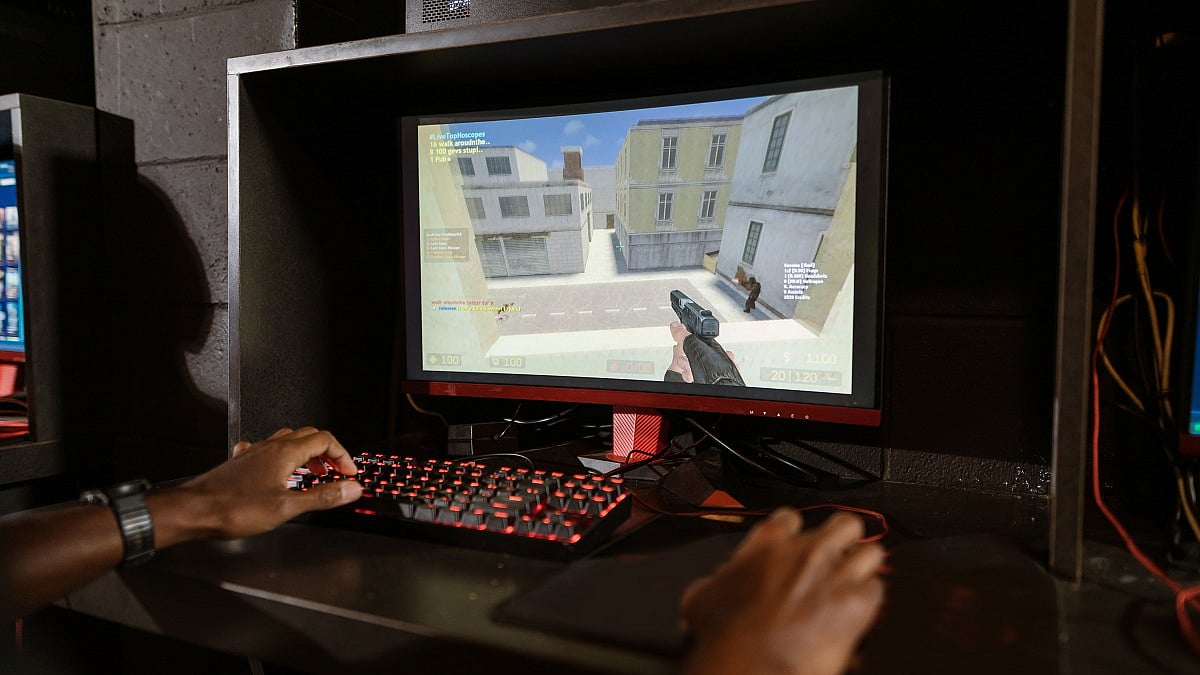
Web browser gaming is no longer just a distraction for a quick click during a dull moment, it has evolved into a massive, highly engaging ecosystem where players are settling in for the long haul. A comprehensive 12-month study analyzing 1.74 billion browser game sessions and 862M hours of gameplay recorded between May 2025 and May 2026 has revealed a stunning shift in player habits. Conducted by the web gaming platform CrazyGames, the report shows that the average browser play session in the United States now lasts an impressive 30 minutes, proving that web-based experiences are competing fiercely with traditional platforms for user attention.
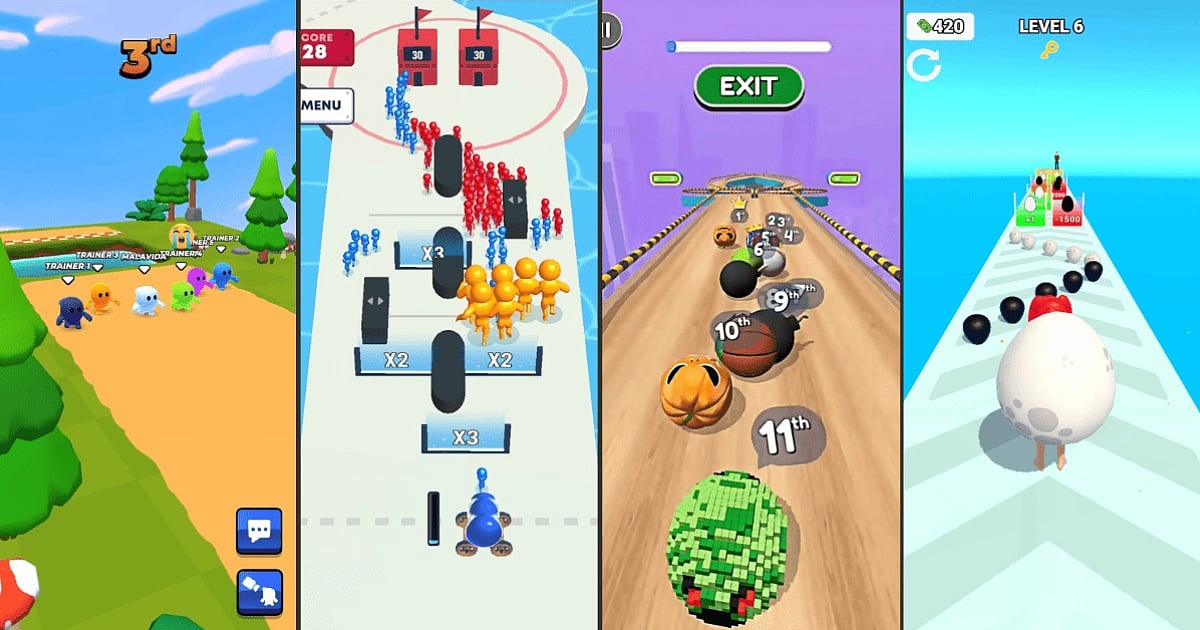
The overwhelming driver behind this growth is the utter dominance of hypercasual and puzzle games, which together accounted for more than 99% of all tracked playtime over the past year. Hypercasual titles proved to be the undisputed champions of the web, capturing a massive 78.8% share of total playtime over the year.
Puzzle games followed comfortably in second place with a 20.6% share, leaving all other combined web genres with a mere 0.5% of the market. This consolidation comes down to pure convenience. Browser games naturally favor lightweight genres that load instantly, feature simple mechanics, and eliminate the friction of long tutorials or high-end PC hardware.
Udonis
Weekday Traffic Peaks and the "National Lunch Break"
When looking at people actually play, the data paints a vivid picture of gamers using their browsers to break up the daily routine. Weekday browser gaming traffic outperformed weekend activity by a solid 22%, running significantly stronger during the workweek. Thursdays recorded the highest overall volume of gaming sessions, while Fridays hosted the longest individual playtimes as users transitioned toward their days off. Remarkably, both Thursday and Friday outperformed Sunday traffic by more than 27%, as per Pocketgamer.biz.
Throughout the day, total traffic hits its highest peak at 1:00 p.m. Eastern Time, creating a distinct "National Lunch Break" effect where East and West Coast downtime schedules temporarily overlap. However, the most dedicated playtime occurs in the dead of night. Players logging on at 4:00 a.m.
Eastern Time averaged roughly 40 minutes per session, which is twice the normal length. Seasonally, overall player volume peaks during the colder winter months, but summer brings out the most focused sessions, with average playtimes hitting an annual high in July.
On the business and advertising side, this massive, captive audience is proving highly valuable to publishers. According to the Liftoff report, casual games posted an average cost per install of $2.17, though platform economics vary sharply, with Android sitting at a budget-friendly $0.65 and iOS reaching $4.83. Advertisers are reaping meaningful returns, with the average day-seven return on ad spend resting at 5.7%.
Ultimately, the web gaming space is heavily consolidating around these rapid, friction-free formats. For developers and publishers moving forward, puzzle and hypercasual games are set to remain the central focus of the browser ecosystem as long as they continue to deliver incredible scale, strong retention, and highly efficient user acquisition.

Author
Krishna Goswami is a content writer at Outlook India, where she delves into the vibrant worlds of pop culture, gaming, and esports. A graduate of the Indian Institute of Mass Communication (IIMC) with a PG Diploma in English Journalism, she brings a strong journalistic foundation to her work. Her prior newsroom experience equips her to deliver sharp, insightful, and engaging content on the latest trends in the digital world.
Krishna Goswami is a content writer at Outlook India, where she delves into the vibrant worlds of pop culture, gaming, and esports. A graduate of the Indian Institute of Mass Communication (IIMC) with a PG Diploma in English Journalism, she brings a strong journalistic foundation to her work. Her prior newsroom experience equips her to deliver sharp, insightful, and engaging content on the latest trends in the digital world.