





Why Sony’s retreat from PC is a major gamble in China.
Sony’s PC Retreat Could Cripple Its Growth in the Chinese Market
By limiting major titles to the PS5, Sony is abandoning its PC-first strategy, potentially alienating millions of gamers in China's massive $49.6B gaming market.

Highlights
- Restricting games to PS5 prioritizes brand protection but threatens massive losses in key PC-driven markets.
- With consoles limited by regulations and low adoption, PC remains the only viable way to reach millions of Chinese players.
- By abandoning PC ports, Sony risks alienating a $49.6B market and sacrificing significant software revenue from its most popular titles.
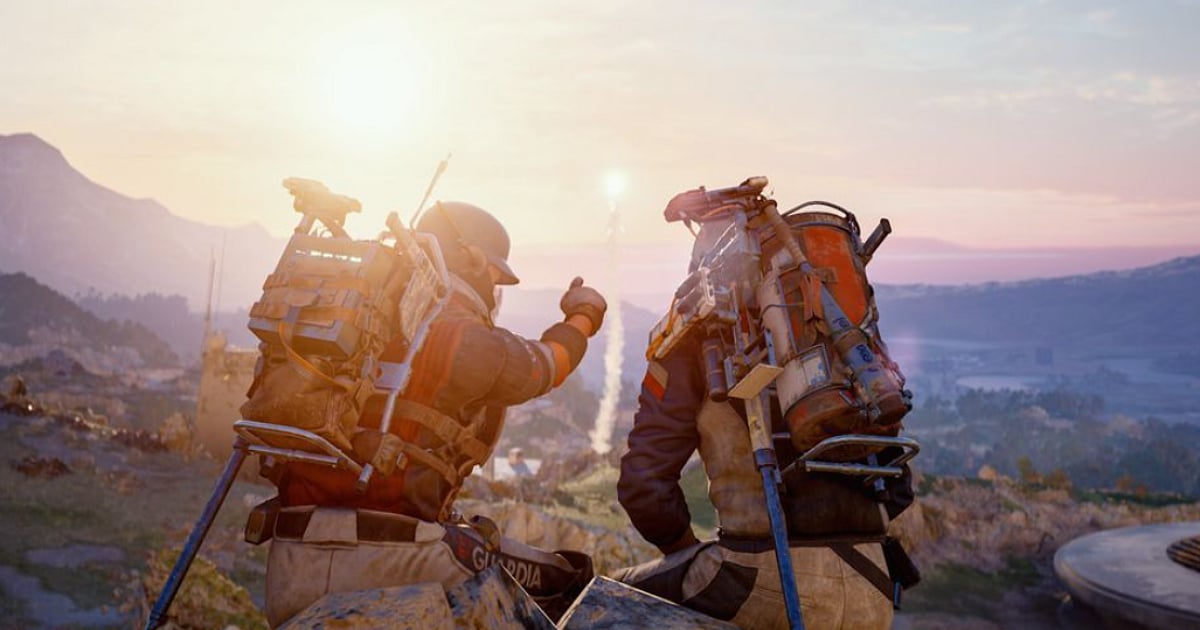
Sony is pulling the plug on its ambitious PC strategy, and gamers in one of the world's most passionate markets are paying the price. According to Bloomberg, Sony is reversing its multi-platform push to keep highly anticipated single-player, narrative-driven titles, like Ghost of Yōtei and Saros, strictly locked to the PlayStation 5. While this move is intended to protect the PlayStation brand from dilution and offset underwhelming PC sales in certain regions, it effectively shuts out millions of players in China. By abandoning plans for PC ports, Sony is quietly surrendering a massive, dedicated audience that has no realistic way to pivot to traditional console gaming.
The financial impact of locking these games to the PS5 is immediate and staggering. Data from analytics firm Alinea Insights reveals just how vital the PC audience is for Sony’s prestige titles. For Death Stranding 2, Chinese players made up roughly 42% of total sales, making China the single largest market for the game on Steam.
Even though revenue per copy is generally lower on Steam, the sheer volume of Chinese buyers easily outpaced the region's console sales. Similarly, China was a top market for Stellar Blade, which saw a massive boost after its PC launch. Without official PC ports for upcoming flagship games, this massive player base is left with no legal way to access Sony’s biggest adventures, forcing the company to sacrifice nearly half of its potential software sales in the region.

SHIFT UP
Steam Dominance in a Colossal Market
To understand why pulling away from PC hurts Chinese gamers so deeply, you have to look at the harsh reality of the Asian gaming ecosystem. The Chinese gaming market generated over $49.6 billion USD and continues growing into the next decade, as per Xinhua. However, console gaming remains a distinct niche, generating roughly $4,193.5M in 2025.
To put the size of China's PC gaming scene into perspective, the latest Steam hardware survey reveals that 21.85% of all users have their language set to Simplified Chinese. This makes it comfortably the second-most popular language on the platform, sitting behind English at 39.48% and well ahead of Russian at 9.9%. Driven in part by the country's prominent internet cafés, it is estimated that Steam has now surpassed over 30M users in China.
This PC dominance wasn't an accident; it is the result of decades of restrictive import regulations and high hardware costs. Crucially, in 2000, China banned the sale of home video game consoles over fears of youth addiction. Because personal computers doubled as educational and professional workstations, they were exempt from the ban. An entire generation of Chinese gamers grew up playing on PC, rendering it the most popular platform by default.
Today, the console market is heavily suffocated. Mainland PS5 consoles are legally region-locked to the domestic Chinese PSN, which carries strict software limitations. Because of these steep barriers, Sony's attempts to conquer the Chinese living room have consistently fallen flat. The PS4 only sold roughly 3.5M units in the country, as per the Gamer.

Steam
Marathon, Helldivers 2, and PSN Account Friction
While 'grey market' retail stores and online marketplaces supplement those numbers, the traditional console simply cannot compete with the PC. The friction became so intense that by 2020, Sony was forced to temporarily suspend the PlayStation Store in mainland China to prevent users from bypassing local restrictions to download unlicensed games.
While Sony's single-player blockbusters are retreating from PC, live-service multiplayer titles like Marathon will reportedly continue to see multi-platform releases. However, even this comes with a catch. If future live-service games require PSN accounts, it would completely lock Chinese players out due to the intricacies of the country's domestic PSN.
We already saw this friction when Helldivers 2 attempted to mandate PSN linking, facing such intense backlash that Sony scrapped the plans. Notably, Marathon was specifically designed not to require a PSN account for this exact reason.
There is plenty of industry debate over why Sony is making this drastic pivot. Explanations range from lackluster PC sales in Western markets to corporate anxieties over PC-console hybrids like Project Helix and Steam Machines, which could allow rival hardware to run PlayStation titles.
But whatever the boardroom reasoning, closing the PC gateway feels like a strange, painful oversight. Considering Sony's active efforts to incubate and support local developers through the China Hero Project, shutting the door on the region's preferred platform without warning leaves one of the world's most lucrative gaming audiences completely out in the cold.

Author
Krishna Goswami is a content writer at Outlook India, where she delves into the vibrant worlds of pop culture, gaming, and esports. A graduate of the Indian Institute of Mass Communication (IIMC) with a PG Diploma in English Journalism, she brings a strong journalistic foundation to her work. Her prior newsroom experience equips her to deliver sharp, insightful, and engaging content on the latest trends in the digital world.
Krishna Goswami is a content writer at Outlook India, where she delves into the vibrant worlds of pop culture, gaming, and esports. A graduate of the Indian Institute of Mass Communication (IIMC) with a PG Diploma in English Journalism, she brings a strong journalistic foundation to her work. Her prior newsroom experience equips her to deliver sharp, insightful, and engaging content on the latest trends in the digital world.