





Tim Sweeney warns the industry must shift toward shared, interoperable in-game economies.
Tim Sweeney: Gaming Shifts From Buying Games to In-Game Purchases
Epic Games CEO Tim Sweeney warns that traditional game launches are failing, urging developers to adopt "Team Open" and Unreal Engine 6 for shared digital economies.

Highlights
- Epic Games CEO Tim Sweeney warns that the traditional game launch model is failing due to captive audiences in massive live-service titles.
- Sweeney advocates for "Team Open" interoperability, allowing players to transfer digital items and cosmetics between different games.
- Epic is developing Unreal Engine 6 and the "Verse" framework to build a shared economy and sustain the future of the gaming industry.
Tim Sweeney is sounding the alarm. The CEO of Epic Games believes the traditional video game launch is facing a severe crisis. According to Sweeney, new releases simply cannot survive in today’s market unless developers start connecting their virtual economies to massive, existing hits like Fortnite, Roblox, and PUBG Mobile. In a recent interview with IGN, he warned that players are far too locked into giant live-service games, making it nearly impossible for fresh multiplayer titles to find their footing on their own.
Sweeney argues that the industry's core problem lies in "captive audiences" and the sheer weight of Metcalfe's Law, the concept that a network's value increases with its number of users. Gamers have spent years building solid friend groups and expansive digital libraries of rare cosmetics in massive hits. Because of this, they have almost no incentive to leave their investments behind to play a new game alone.
"The only way that we can hope for new games coming into the market to be able to succeed is when there's so much Metcalfe's Law at play and so many captive audiences in the really big games... it's got to be that those games get momentum by connecting to the economies in other games," Sweeney told IGN. He believes that giving players the ability to seamlessly transfer their digital items, character skins, and social connections from one game to another is the necessary hook to reinvigorate a stagnant market.
Blockbuster Budgets Are 'No Longer Sustainable'
This stagnation is brutally exposing the flaws of the traditional video game business model. Sweeney pointed out that while major blockbusters regularly demand development budgets reaching hundreds of millions of dollars, they often only generate tens of millions in return, as reported by Gamedeveloper.
Game companies cannot just throw more money at the problem, as it is no longer sustainable for games to become more expensive to make with each console generation. This financial reality has hit close to home; Epic Games laid off over 1,000 employees due to a decline in Fortnite's financial performance.
The urgency of Sweeney’s warning makes perfect sense when looking at the numbers. The global market is incredibly lucrative, but it is heavily concentrated at the very top. According to Newzoo, the global games market generated an estimated $201.6 billion USD in 2025. While that represents a major financial milestone, the growth is increasingly driven by a small number of massive franchises rather than a broad rise across the entire industry.
"This trend of the gaming economy shifting, some people like it and some don't, is going more and more towards buying things in games rather than buying games," Sweeney explained. "In-game economy is driving gaming, especially at scale and especially over long durations as you see with these long-lasting multiplayer games."
Unreal Engine
Building Interoperability Through Unreal Engine 6 'Verse'
To combat these towering hurdles, Epic Games isn't just talking about interoperability, it is actively building it. Epic has announced that Fortnite cosmetics will lead the way as some of the first assets capable of moving across different games, pushing toward a shared economy for digital items.
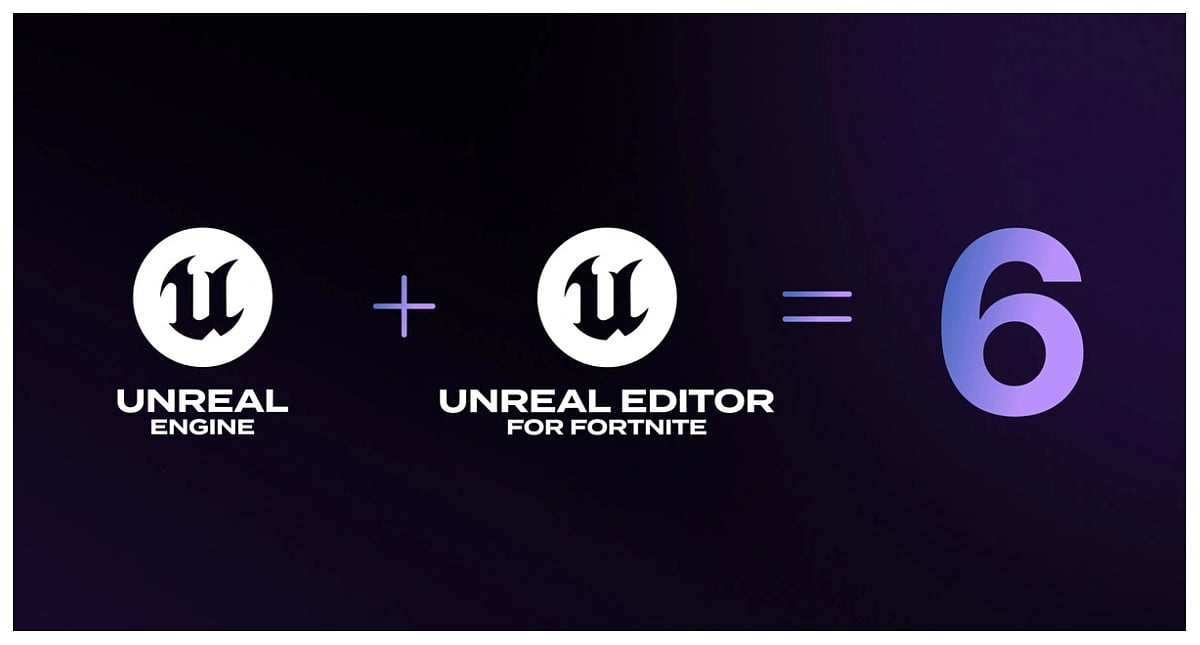
This ambitious vision, which echoes the "metaverse" concept he pitched to The Verge back in 2024, relies heavily on Epic’s upcoming game development software, Unreal Engine 6. Announced earlier this month and slated for an early access release at the end of 2027, the new engine will transition onto a framework called "Verse."
Ultimately, Sweeney is urging the entire industry to rethink its approach. He is calling on major game developers, including Xbox, Riot Games, Electronic Arts, and Tencent, to stop building isolated products and instead join what he calls "Team Open." He heavily contrasts this cooperative vision with competitors like Roblox, which he describes as a closed, centralized platform that controls 450M users and takes over 70% of creator revenue.
By natively connecting their ecosystems, Sweeney argues the gaming industry can finally give players the safety net they need to try new releases and survive the brutal war for user attention against entertainment giants like YouTube and TikTok.

Author
Krishna Goswami is a content writer at Outlook India, where she delves into the vibrant worlds of pop culture, gaming, and esports. A graduate of the Indian Institute of Mass Communication (IIMC) with a PG Diploma in English Journalism, she brings a strong journalistic foundation to her work. Her prior newsroom experience equips her to deliver sharp, insightful, and engaging content on the latest trends in the digital world.
Krishna Goswami is a content writer at Outlook India, where she delves into the vibrant worlds of pop culture, gaming, and esports. A graduate of the Indian Institute of Mass Communication (IIMC) with a PG Diploma in English Journalism, she brings a strong journalistic foundation to her work. Her prior newsroom experience equips her to deliver sharp, insightful, and engaging content on the latest trends in the digital world.