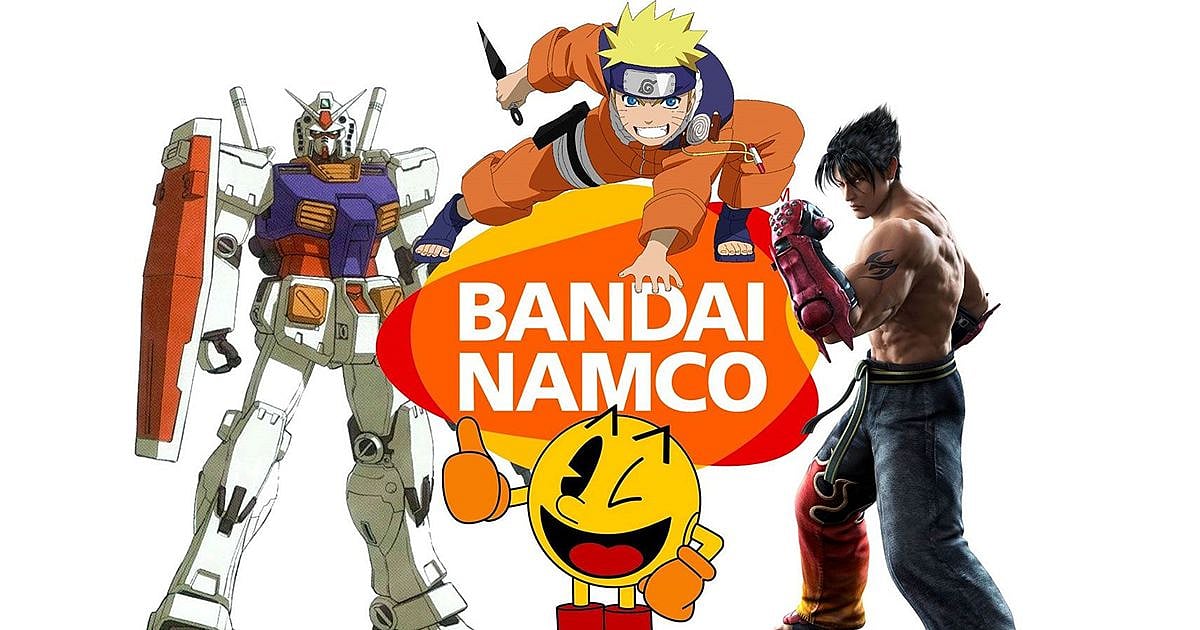
Bandai Namco's IP portfolio, from Gundam to Naruto to Tekken, anchor its push into locally manufactured anime merchandise in India.
Bandai Namco to Launch Made-in-India Anime Merchandise
Locally manufactured t-shirts, India-exclusive designs, and new retail spaces are on the roadmap as Bandai Namco deepens its bet on the country.

Highlights
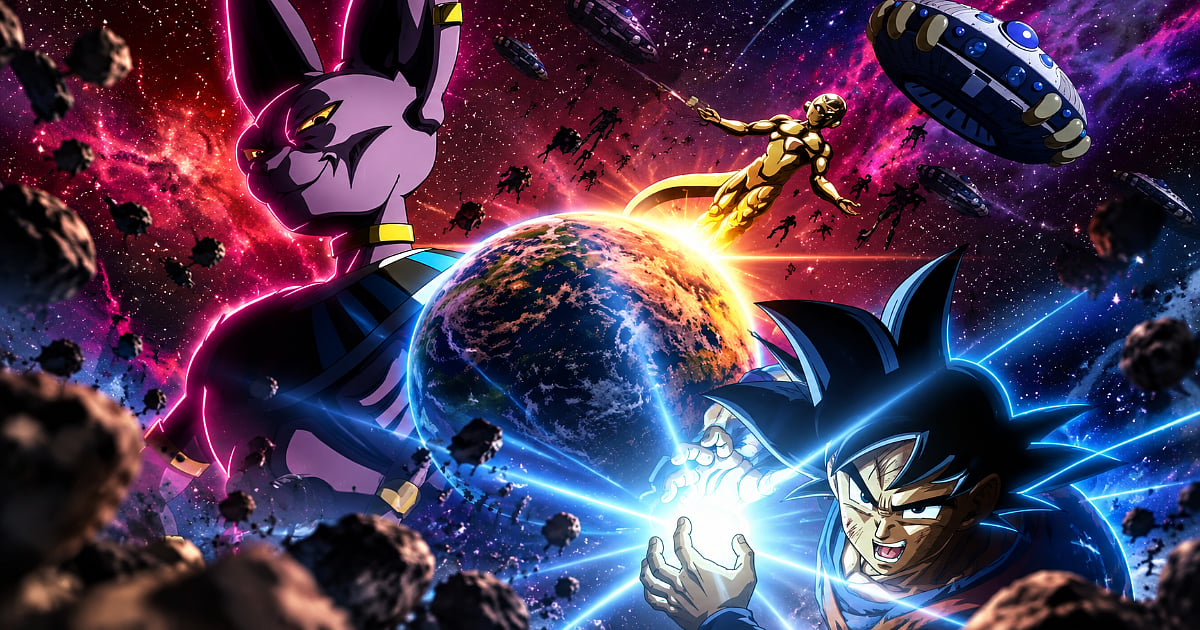
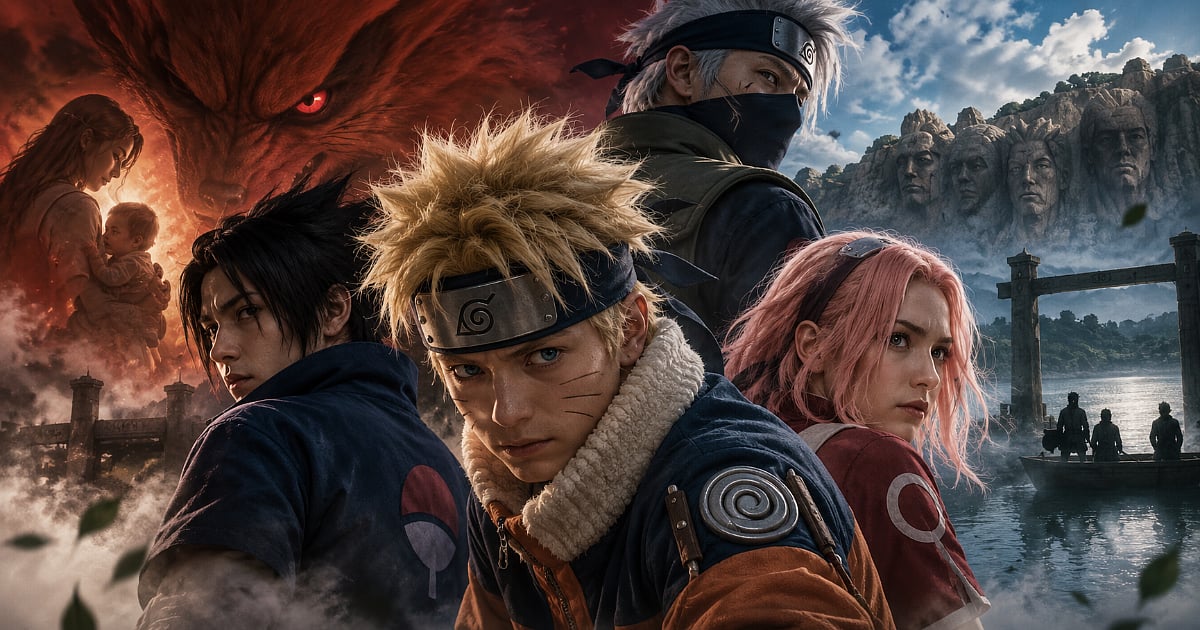
- Bandai Namco is widening its India catalogue to include locally manufactured anime t-shirts and apparel featuring franchises such as One Piece, Dragon Ball, and Naruto.
- The company is building on its existing Mumbai play centres, pop-up stores, and franchise model, with new retail spaces planned for tier-one cities.
- India ranks third globally in anime viewership penetration at 41%, with the country's anime market valued at $1.098 billion in 2024.
Bandai Namco Holdings is preparing to launch made-in-India anime merchandise, including t-shirts featuring One Piece, Dragon Ball, Naruto, and other franchises in its catalogue. The Tokyo-based entertainment conglomerate plans to manufacture apparel locally, introduce India-exclusive designs, and open additional retail spaces for fans, according to people familiar with the company's plans.
The shift marks a change for Bandai Namco India Pvt. Ltd., the Indian subsidiary established in 2015, which has so far relied largely on imported figurines, Gunpla model kits, and collectibles distributed through partners such as Fat Cat Collectibles and Wizplex. Director and COO Takeo Yagi had flagged apparel as an opportunity in a 2023 interview with Animehunch, saying the company would consider entering the category if customer demand justified it.
That demand has since arrived. India ranks third globally in anime viewership penetration at 41%, behind only Japan and China, according to GEM Partners' Anime Global White Paper 2026.
Why India matters for Bandai Namco
Bandai Namco's India push tracks with the country's rapid emergence as a priority anime market. In the past, Crunchyroll has named India its second-largest market, and Hindi dubs of titles like Jujutsu Kaisen and Chainsaw Man have overtaken their English versions on the platform. Younger urban audiences, the same demographic that buys character apparel, sit at the centre of that growth.
Local manufacturing also addresses a pricing problem that has driven Indian fans toward counterfeit goods. Import duties currently push the retail price of imported anime figurines and apparel well above international levels, a gap that has hurt licensed sellers competing against grey-market alternatives.
Retail and franchise expansion
The company is also extending its physical footprint. Bandai Namco operates a large indoor amusement and prize game centre in Mumbai and has run pop-up stores at Nexus Seawoods Mall and Mumbai Comic Con. The Indian subsidiary is currently open to franchise partners, mirroring the Cross Store model the company has rolled out in London, Brooklyn, and other cities.
The India apparel rollout follows the corporate restructuring Bandai Namco announced in March, which consolidated the group's licensing and overseas brand operations to support global IP expansion. The company has also been deepening its India footprint through an investment in Pune-based SuperGaming, the studio behind Indus Battle Royale.

Author
Outlook Respawn is Outlook's newest vertical covering the business of gaming and digital pop culture in India. We bring trusted journalism to an economy that traditional media overlooks, one where gaming studios command billion-dollar valuations and and pop culture drives massive economic ecosystems. Our veteran team tracks investments, valuations, and market movements across gaming, esports, anime, live events and all things pop culture. While others treat these sectors as entertainment, we deliver serious economic analysis on everything from IPOs to licensing deals, understanding that today's pop culture phenomena are tomorrow's blue-chip companies.
Outlook Respawn
Author
Outlook Respawn is Outlook's newest vertical covering the business of gaming and digital pop culture in India. We bring trusted journalism to an economy that traditional media overlooks, one where gaming studios command billion-dollar valuations and and pop culture drives massive economic ecosystems. Our veteran team tracks investments, valuations, and market movements across gaming, esports, anime, live events and all things pop culture. While others treat these sectors as entertainment, we deliver serious economic analysis on everything from IPOs to licensing deals, understanding that today's pop culture phenomena are tomorrow's blue-chip companies.

Related Articles