
Japan's Anime Industry Turns to Co-Production Model
Japan's Anime Industry Eyes Co-Productions Amid Profit Crisis
Record global revenues mask a domestic production crisis, and now Japan’s anime industry is vying for an international co-production model.

Highlights
- Japanese producers are pushing for anime co-production models to expand globally and diversify storytelling.
- While global anime revenue continues to rise, only 40% of studios reported profits.
- Industry leaders emphasize anime international collaboration as key to securing funding and creating original IPst.
At a panel discussion in the 30th Hong Kong International Film and TV Market (Filmart), Japanese producer Noriko Matsumoto argued why co-production is no longer an optional model for Japan's anime industry. “Japanese animation only thinks about Japanese people,” said Matsumoto, co-founder of stop-motion specialist Dwarf Studios, while emphasizing that “now it's time to think about the global market.”
The producer highlighted that most of Japan’s anime industry is unaccustomed to European animation. “It’s a weak point in Japan,” she conveyed. Her arguments centered on Japanese anime’s over-reliance on pre-existing IPs, such as manga and video games, and how it is lessening the opportunity of original creation in the case of anime.
Other industry leaders at Filmart, such as France’s Sacrebleu Productions’ Ron Dyens, echoed Matsumoto’s sentiment and pointed out that “Japan is in a situation to collaborate.” He believes that collaboration and co-production can bring out the full potential of animated productions.
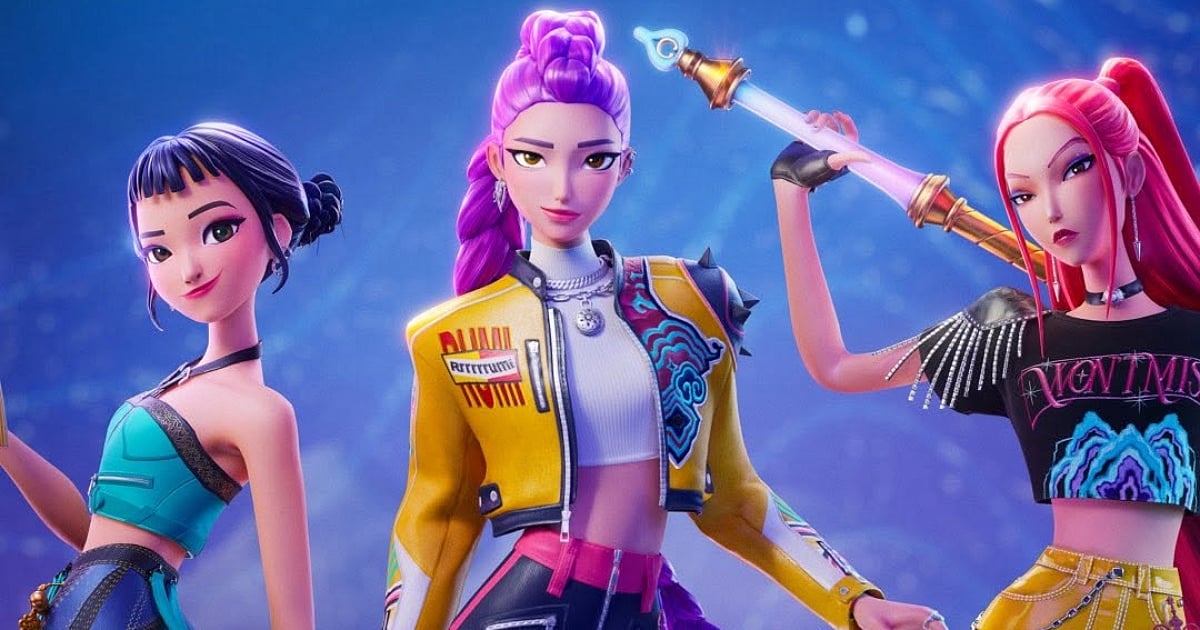
Locus Animation CEO Handae Rhee drew an example from the Oscar-winning movie KPop Demon Hunters, which combined South Korea’s K-Pop culture with Western storytelling and became a global phenomenon. Rhee further stated, “if a project mixes K-pop with French animation, maybe it can persuade the investors [to back it],” highlighting the commercial appeal of cross-cultural productions.
Japan’s Anime Industry and its Shortcomings
The co-production enthusiasm follows a recent surge in anime consumption in the overseas market. According to the Association of Japanese Animations’ (AJA) latest financial report, almost 56% of the total anime sector revenue came from international markets.
“We believe it has potential to expand to even more markets,” emphasized AJA committee member and HumanMedia CEO Megumi Onouchi while discussing the growth of overseas revenue.
On the other hand, despite record revenue, only 40% of anime production companies reported profit in 2024. Even the number of production companies in Japan dropped by 8%. In such a time period, a co-production model could increase funding, diversify storytelling, and alleviate production pressures.
At Filmart, Dyens highlighted the economic viability of co-productions. He stated that Japan and Europe have distinct models when it comes to the distribution and production of animated content. Dyens mentioned that while Europe typically funds the productions, the Japanese government uses cultural media as soft power.
Earlier, Bushiroad’s 2026 Anime Industry Trend Forecast also highlighted how over-reliance is creating similar content and themes across various anime productions, which is also taking Japanese youth away from anime. The growth of animation in Southeast Asia and growing competition from non-fiction content and other productions are also threatening anime’s engagement pipeline.
Japan’s current push toward international co-productions marks a significant evolution in how the anime industry operates. While the country has historically kept the production pipeline and narratives to themselves, producers like Matsumoto and Dyens are suggesting a different co-learning model that could bring together the best of both.
“Animation is one of the most exciting and borderless creative industries today,” said Gabriel Pang, chairman of the Hong Kong Digital Entertainment Association. He also highlighted that “through smart financing, innovative monetisation and truly international partnerships,” original IPs can turn into global success.
Whether Japan's anime industry, which is still criticizing globalization, can restructure enough to benefit from co-productions remains an open question.

Author
Kamalikaa Biswas is a content writer at Outlook Respawn specializing in pop culture. She holds a Master's in English Literature from University of Delhi and leverages her media industry experience to deliver insightful content on the latest youth culture trends.



Related Articles