



Highlights
- Fans accuse WIT Studio of using generative AI for backgrounds in Ascendance of a Bookworm Season 4's opening.
- Producer Keita Yoshinobu credited human staff but avoided a direct denial regarding AI-assisted assets.
- The controversy reflects rising industry tensions as publishers like Kadokawa fought OpenAI to protect human artists.
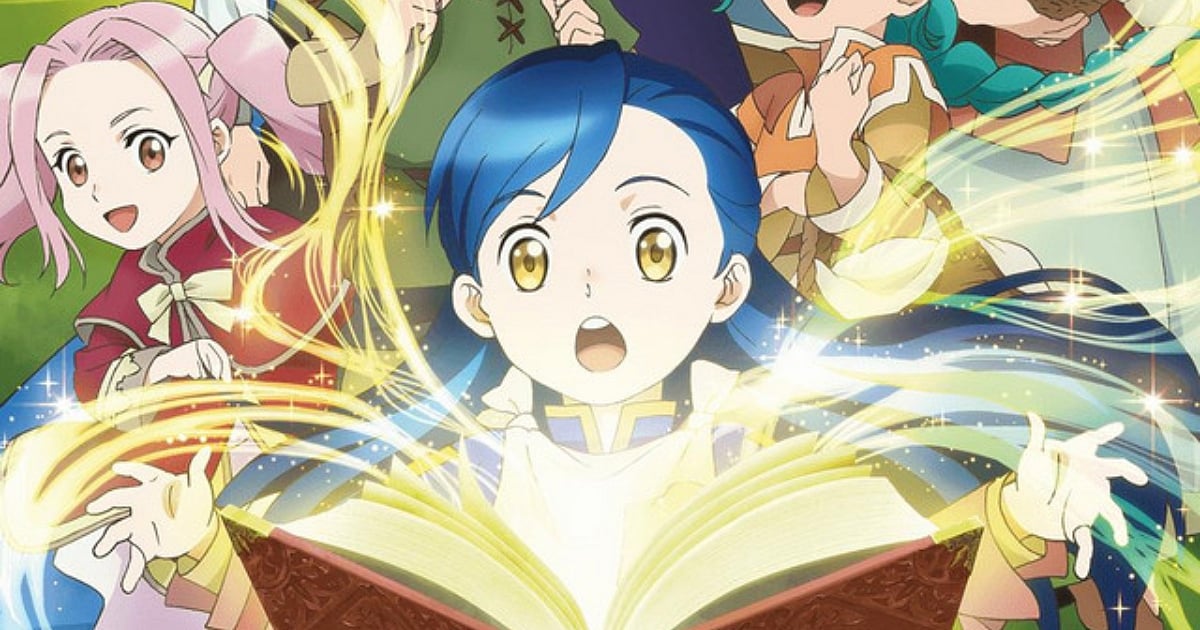
The Spring 2026 anime season is finally here. With the Winter lineup officially wrapped up, fans were more than ready for a fresh slate of releases and major sequels. Leading the pack was the highly anticipated return of Ascendance of a Bookworm, continuing Myne’s lighthearted yet deeply compelling journey to bring books back to life. It’s currently streaming on Crunchyroll, which continues to dominate as the largest anime platform globally. But what should have been a celebrated homecoming for the beloved isekai has quickly morphed into one of the season's biggest controversies, as fans accuse the powerhouse production team of using generative AI.
The backlash kicked off almost as soon as the Season 4 premiere dropped. While the actual episodes look to be up to standard, the opening sequence tells a different story. Fans pointed out glaring visual red flags that are notoriously common with AI generation, including random color smudging, incongruous linework, and bizarre, nonsensical shapes where detailed nature backgrounds should have been.
What makes this outrage sting even more is the studio behind it. WIT Studio is an industry titan, renowned for delivering visually breathtaking, meticulously hand-drawn hits like the first three seasons of Attack on Titan, Spy x Family, Vivy: Fluorite Eye’s Song, Moonrise, and Love Through a Prism. Seeing weird, automated "mush" in a flagship project from a studio with this kind of pedigree completely blindsided the fanbase.
Keita Yoshinobu Responds to the Outrage
Trying to put out the fire, WIT Studio animation producer Keita Yoshinobu jumped on X to defend the team and break the studio's silence. He directly credited the human artists behind the sequence, stating that Kazuto Nakazawa handled the storyboards and key animation, Saki Fujii took on directorial duties, and animation director Minowa-san finalized the group illustration at the end, as per CB.
However, Yoshinobu never explicitly denied the use of AI tools for the background assets. Without a hard denial from him or an official statement from WIT Studio itself, fans remain highly skeptical and are demanding a straight answer.
This whole situation didn't just happen in a vacuum; it’s the boiling point of a massive, growing anxiety within the entertainment industry. Anime fans are incredibly vigilant right now because the threat of generative AI feels closer than ever. Just recently, major Japanese publishers like Kadokawa, Kodansha, and Shueisha—the giants behind staples like KonoSuba and Re:Zero—issued strict warnings to OpenAI. They made it clear that training models like Sora 2 on their manga and anime content is a severe violation of Japanese copyright law and the WIPO Treaty.
A Divisive Stance on Automation
The community has also proven it won't just sit back and watch automation take over. Organized fan uproar recently forced Amazon to completely scrap planned AI dubs for massive shows like Banana Fish, Vinland Saga, and No Game No Life. Even Toei Animation caught heavy heat in 2025 over rumors of AI use in the storyboards and backgrounds for Precure, though they were quick to clarify that no such tools were actually used.
Behind the scenes, the animation industry is caught between a rock and a hard place. A recent Luminate report highlighted just how divisive AI has become. For some executives, automation looks like a desperately needed lifeline to fix the industry's brutal labor shortages and chronic overwork.
But for the artists actually doing the work, it’s a direct threat to their livelihoods, with VFX professionals and storyboard artists feeling particularly vulnerable. Add in a recent Nikkei Asia investigation that found over 90,000 AI-generated images of anime characters flooding the internet, and it is easy to see why fans are demanding total transparency.
For now, Myne's story continues on Crunchyroll, but the conversation surrounding the show has definitely shifted. As audiences tune in every week, the ethical debate over automation in art continues to loom large, testing the anime community's faith in the human-led projects they love.