Finji Alleges TikTok Ran Racist GenAI Ads Without Consent
Finji Alleges TikTok Ran Racist GenAI Ads Without Consent
Finji says TikTok used Smart Creative and catalog ads format to run unauthorized GenAI ads.

Highlights
- Finji alleges unauthorized GenAI ads on TikTok, including altered Usual June artwork.
- Smart Creative and Automate Creative were disabled, per support screenshots reviewed by IGN.
- TikTok cited a catalog ads format initiative, offering opt-out without guaranteed approval.
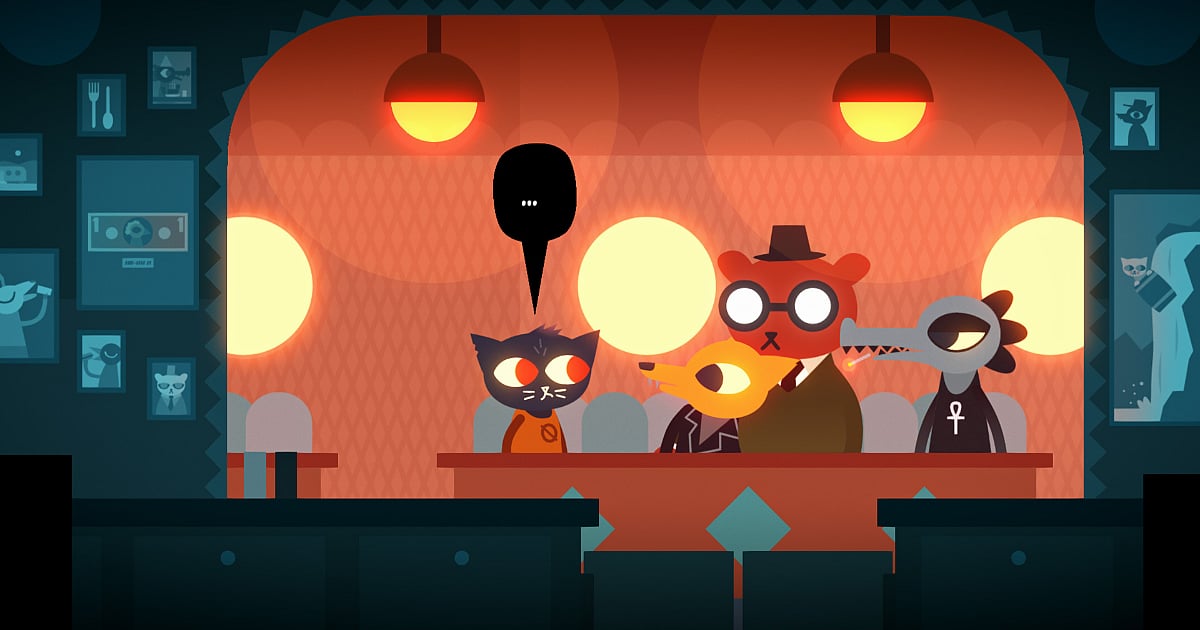
Indie publisher Finji, known for Tunic and Night in the Woods, says TikTok generated and distributed AI-modified ads for its games without authorization. One of those altered ads allegedly depicted a racist and sexualized stereotype of a character from Usual June. The studio says it had AI ad tools disabled and only discovered the altered ads through user reports.
TikTok declined to comment on the record when contacted by IGN.
Finji CEO and co-founder, Rebekah Saltsman, raised the issue publicly on Bluesky on Feb 5, 2026. She wrote, “If you happen to see any Finji ads that look distinctly UN-Finji-like, send me a screencap.”
She later told IGN that Finji’s TikTok account runs official video ads with “AI turned all the way off,” including both Smart Creative and Automate Creative disabled. Screenshots reviewed by the publication show TikTok support confirming that Smart Creative was turned off for the ads in question.
Users reported slideshow-style ads appearing from Finji’s official account. One image reportedly showed altered cover art from Usual June. The modification extended June’s body and added exaggerated features and clothing not present in the original. Finji says it cannot view or edit the AI-generated versions and suspects another altered ad involving the character Frankie, based on audience comments.
TikTok Smart Creative and Automated Creative Under Scrutiny
In support exchanges dated Feb 3 and Feb 6, TikTok initially stated there was “no evidence” of AI-generated content.
It later acknowledged the seriousness of the issue and said it would escalate internally. On Feb 10, support attributed the changes to a “catalog ads format” initiative aimed at combining carousel and video assets. It claimed the format could deliver a 1.4x return on ad spend lift and offered to add Finji to an opt-out blocklist, though approval was not guaranteed.
Finji ended the affected campaigns, calling it the only way to stop circulation.
In a statement to IGN, Saltsman said she was “shocked” by TikTok’s response and expected “a proper apology” and systemic changes. The dispute underscores growing concerns over automated ad tools, consent, and reputational risk for small studios operating on large platforms.

Author
Probaho Santra is a content writer at Outlook India with a master’s degree in journalism. Outside work, he enjoys photography, exploring new tech trends, and staying connected with the esports world.