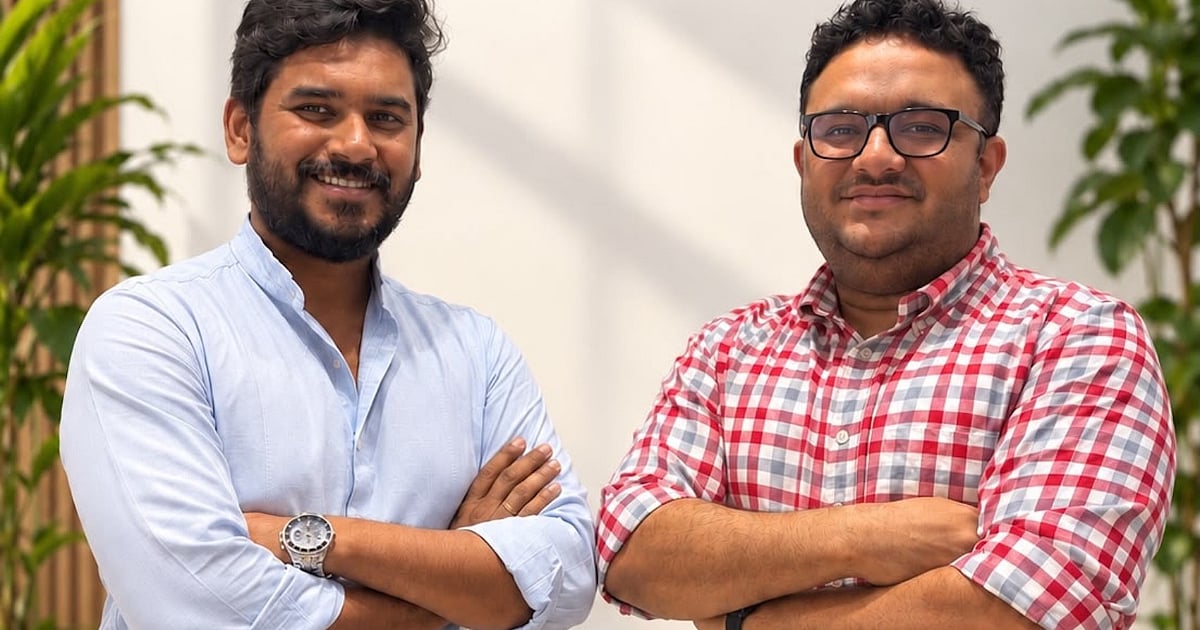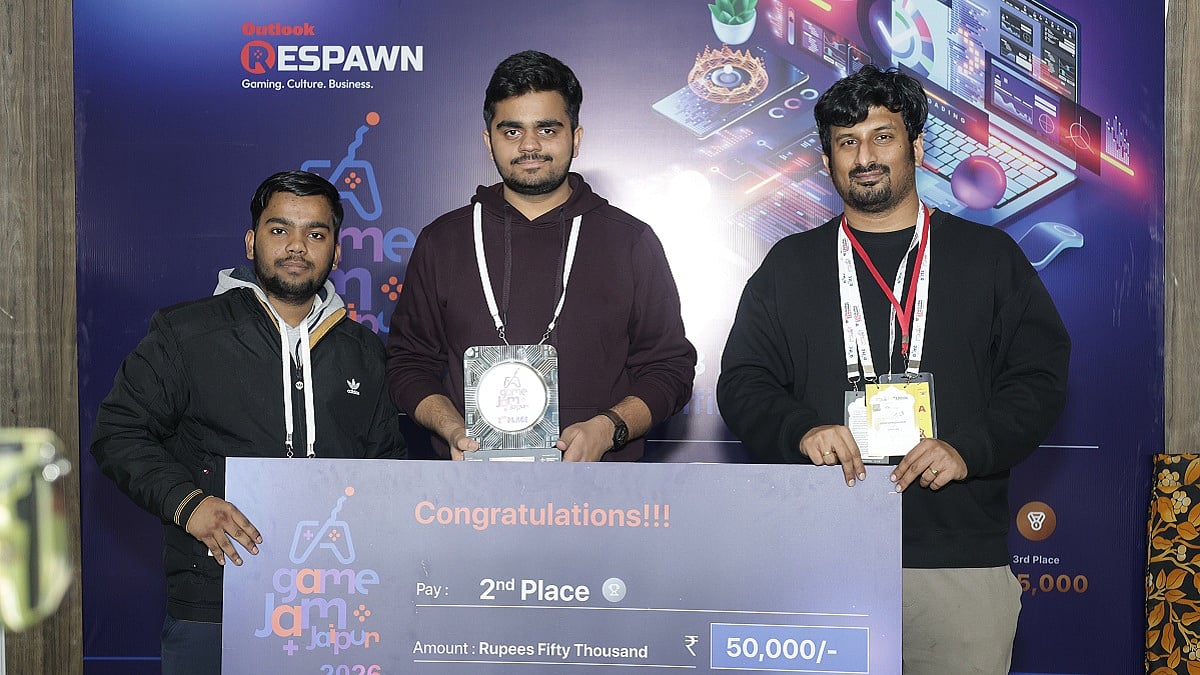
Vansh Singla and Dev Garg at Game Jam Jaipur 2026
How a Rookie Team Built an Award-Winning Indie at Game Jam Jaipur
At Game Jam Jaipur 2026, two Delhi students built a real-time trading game, learning game design, scope control, and collaboration under pressure.

- First-time participants Vansh Singla and Dev Garg stepped into game development at Game Jam Jaipur 2026.
- Their project, Caravan Crossroads, explored real-time trading and player-driven journeys.
- The jam helped them understand rapid iteration, teamwork, and design clarity under deadlines.
For many student developers in India, game development often begins as curiosity rather than career ambition. Game Jam Jaipur 2026 offered a space where that curiosity could be tested through real constraints, limited time, and constant iteration.
Among the participants were Team Phoenix's Vansh Singla and Dev Garg, B.Tech pre-final Computer Science students from Maharaja Agrasen Institute of Technology, Delhi. Coming from a traditional software development background, the duo entered their first-ever game jam not knowing what to expect, only that they wanted to build something different. What followed was a crash course in decision-making and creative problem-solving.
They ended up securing second place and ₹50K for their innovative concept and execution for indie game Caravan Crossroads. Their experience reflected a growing pattern across India’s indie development scene, where students are learning by building first and defining direction later.
Game Jam Jaipur 2026 as a First Step Into Game Development
Singla and Garg discovered Game Jam Jaipur 2026 while browsing through technology events and decided to participate as an experiment. For both, the appeal lay in doing something unfamiliar rather than polishing existing skills.
As they explained, “For us, it was a challenge—to step out of our comfort zone, learn something completely new in a short time, and turn an idea into a meaningful game. That curiosity and passion to experiment is what brought us here.”
Both developers came from a problem-solving mindset, but game development challenged them in ways traditional software projects rarely do.
They described their motivations, stating, “We come from a problem-solving and development background, and game development felt like the perfect space. What inspired us was the idea of building something interactive from scratch— where design, storytelling, and technology come together.”
Game Jam Jaipur 2026 tested Singla and Garg’s skills with player experience in mind. Features were not judged only on correctness, but on whether they felt intuitive and engaging instead of just technical expertise. For first-time jammers, that shift proved demanding, but also rewarding. The ability to experiment freely, fail fast, and iterate without rigid expectations made the process feel less academic and more creative.
Building Caravan Crossroads at Game Jam Jaipur 2026
Their game, Caravan Crossroads, was designed as a fast-paced trading and travel experience. Players control a moving caravan, navigating trade routes while interacting with passengers, traders, and unfolding encounters. Rather than relying on static menus, Singla and Garg wanted the world itself to handle transactions. Movement became the core mechanic through which decisions unfolded.
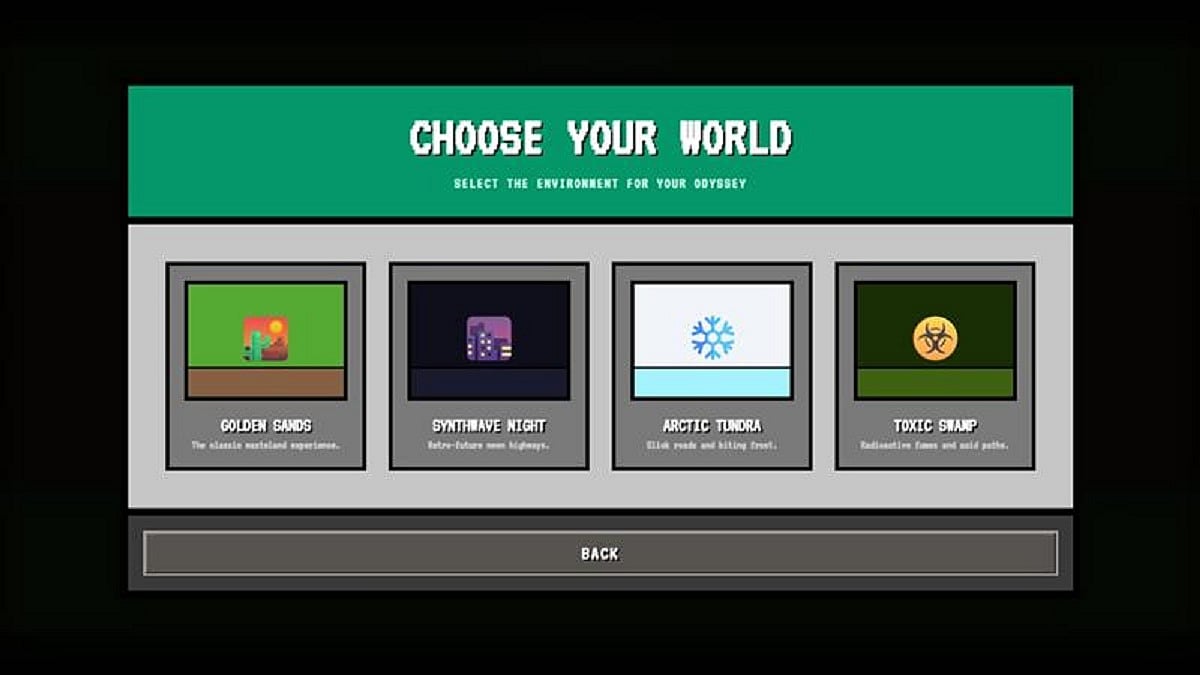
Team Phoenix
The concept was shaped by their interest in player freedom and systemic design. Every choice, from whom the player trades with to how they approach the road ahead, influences the journey’s direction. However, the limited timeline forced them to re-evaluate priorities. Rather than stretching systems thin, they focused on making the core loop playable and understandable.
As they explained, “Due to time constraints, we focused on getting the core mechanics right—real-time movement-based trading, multiple vehicles, passengers, and meaningful choices.”
Larger maps, faction-based trade routes, and advanced AI behaviors were acknowledged as future possibilities but intentionally cut. For a first game jam, finishing mattered more than feature depth.
The pace of Game Jam Jaipur 2026 differed sharply from their usual workflow. There was no extended planning phase and no room for perfection. Mentors played a crucial role in the development process. Their feedback helped the duo identify what truly mattered in a jam environment, pushing clarity over complexity and experience over simulation.
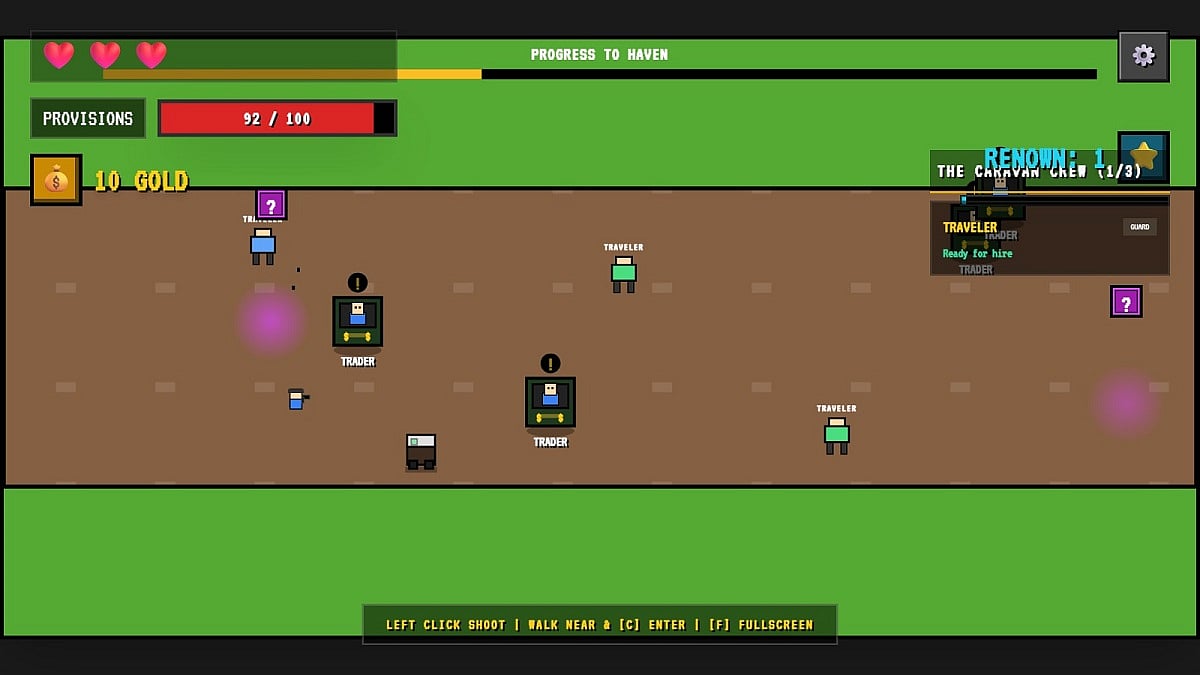
Team Phoenix
By the end of the event, Singla and Garg walked away with more than a prototype. They gained a first-hand understanding of collaboration under pressure and the discipline required to finish interactive systems on time.
For two students entering game development for the first time, Game Jam Jaipur 2026 was not about mastery. The duo managed to get a glimpse of what game development feels like under pressure and delivered exemplary results.
Author
Abhimannu Das is a web journalist at Outlook India with a focus on Indian pop culture, gaming, and esports. He has over 10 years of journalistic experience and over 3,500 articles that include industry deep dives, interviews, and SEO content. He has worked on a myriad of games and their ecosystems, including Valorant, Overwatch, and Apex Legends.
Abhimannu Das is a web journalist at Outlook India with a focus on Indian pop culture, gaming, and esports. He has over 10 years of journalistic experience and over 3,500 articles that include industry deep dives, interviews, and SEO content. He has worked on a myriad of games and their ecosystems, including Valorant, Overwatch, and Apex Legends.