





Japan’s mobile gaming sector faces rising regional competition amid rising costs and innovation slowdown.
Japan’s Mobile Gaming Market Faces Rising Global Pressure
With competition from China and South Korea, Japanese studios struggle with declining revenues, gacha fatigue, and innovation slowdowns.

- China and Korea’s anime-style, live-service games set new quality and content standards.
- Japanese studios face steep development costs, font licensing issues, and slow pipelines.
- Only top-tier companies like CyberAgent, DeNA, and Wright Flyer are expected to sustain growth.
Japan's mobile gaming market is undergoing one of its most difficult periods in a decade, hampered by increased overseas competition, declining revenues, and internal structural issues. While Japanese developers formerly dominated Asia's smartphone gaming boom, studios are now trying hard to keep up with China and South Korea's high-budget pipelines, according to industry discussions on Reddit and other local forums.
Foreign Competition Reshapes the Japan's Mobile Gaming Market
A wave of sophisticated, anime-style games from China and South Korea has altered player expectations around the world, noted a Reddit forum. Titles like Genshin Impact have established a new production standard, blurring the distinction between console and mobile quality.
Japan, historically strong in handheld (like Nintendo Switch, Steam Deck) and mobile entertainment, is now facing a quality gap. Many domestic studios still prioritize minimalist, bite-sized gameplay loops. Such design choices have begun to feel a bit outdated in an era where players seek open worlds, cinematic combat, and long-term content support.
Mobile Games Face Monetization & Model Fatigue in Japan
Japan's major internal problem is its monetization culture, according to industry observers on social media. Many Japanese titles continue to rely heavily on aggressive gacha monetization, with gameplay frequently feeling secondary. This, reportedly, reflects a belief that Japanese mobile games are becoming low-effort cash grabs based on established IPs.
Furthermore, Chinese studios have enormous live-ops teams capable of delivering new content frequently. This advantage is bolstered by a domestic player base that eclipses Japan's population (~ 124 million).
As stated in a Reddit thread, Chinese studios can also apparently handle development budgets of more than $200M USD and substantial service infrastructure. While Japanese enterprises struggle with risk-averse management, conventional hiring and monetization methods prioritize high-spending consumers over wide engagement.
Production Constraints Slow Innovation in Gaming
Japan's mobile gaming market confronts other fundamental challenges, apart from monetization issues. Industry insiders point to delayed development, restrictive structures, and reluctance to update outdated pipelines. These problems, combined with China's rapid game creation, have caused Japan to fall behind.
In addition, something as simple as font licensing has become a source of tension. Following the U.S. takeover of a major domestic provider, Japanese game companies may face exorbitant font license prices. According to AUTOMATON media, live-service games would mostly be affected by it, as annual licensing fees increase from $380 USD to over $20,800 USD.
Layoffs Signal Contraction in Japan’s Mobile Gaming Market
Layoffs are unusual in Japan's typical steady employment system but have started to arise in mobile game companies. The country is also experiencing a personnel shortage. Collectively, these problems indicate a financial strain and impending consolidation, with only heavyweight groups like CyberAgent Group (Umamusume: Pretty Derby, Fate/Grand Order), DeNA (Pokémon Card Pocket), and Wright Flyer Studios (Heaven Burns Red) sustaining the phase, along with their titles.
Umamusume: Pretty Derby spotify
Console Gaming vs. Mobile Gaming: Japan's New Path Forward
With increasing market competition, many feel that Japan must reinvent itself to survive. Several industry observers suggest the Japanese gaming market should return to premium console development, where Japanese craftsmanship has long thrived. Monster Hunter, Final Fantasy XIV, and Elden Ring are among Japan's most popular console and PC titles.
According to recent industry data, the Monster Hunter series has sold more than 100M units, with Monster Hunter: World alone topping 25M. Elden Ring has sold about 30M copies, making it a defining action-RPG of its generation. The Final Fantasy franchise has sold over 200M units worldwide.
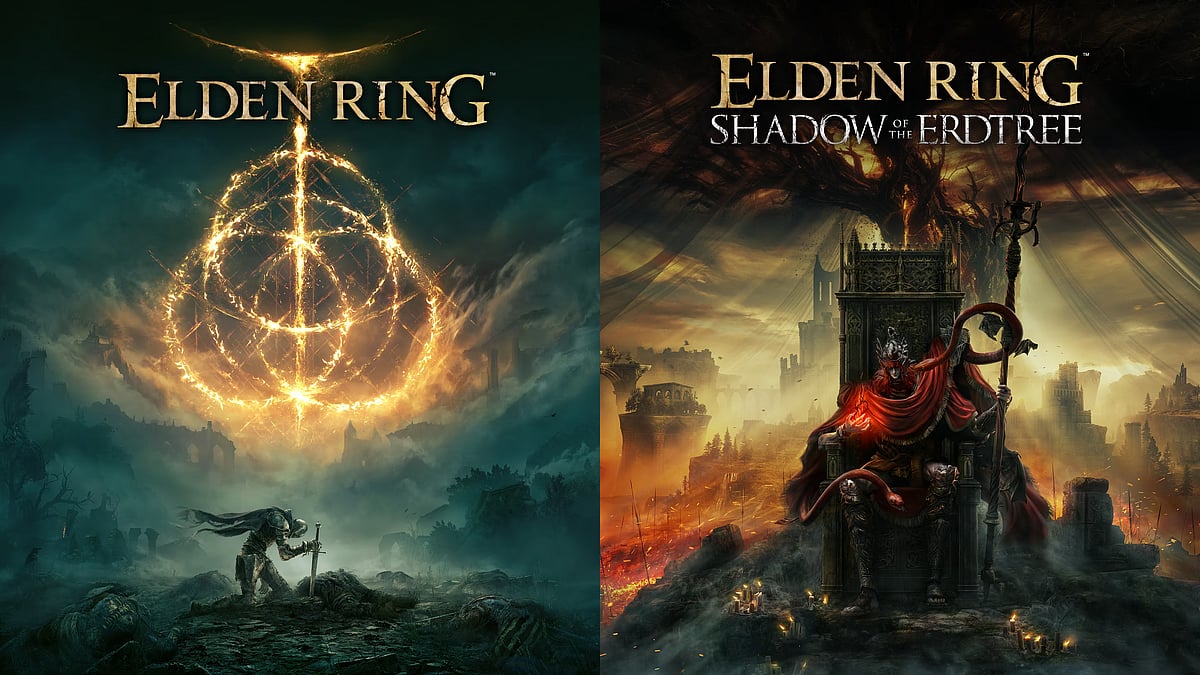
Elden Ring - PlayStation
However, console pivots have high costs. High-fidelity 3D creation necessitates higher budgets, larger teams, and worldwide marketing strategies, investments that many mid-tier mobile studios cannot currently afford.
Mid-tier mobile studios typically operate on smaller budgets, with fewer employees and inadequate infrastructure, making it impossible for them to compete on this scale. The contrast emphasizes the resource disparity between Japan's mobile industry and the high-end console market.
Nonetheless, switching away from mobile service games is neither quick nor certain to succeed, as Japan’s competing Chinese companies typically adopt a free-to-play (F2P) structure due to their large market.
This essentially means that Japanese businesses should now manufacture Hoyoverse-like games, like Genshin Impact, Honkai: Star Rail, Tears of Themis, and the recent Zenless Zone Zero (ZZZ). The games involve RPG and novel elements combined with gacha mechanics. Due to the immediate success of these games, the company now controls a significant chunk of the Asian mobile gaming market.
Japan's mobile gaming sector is at a watershed point. With rivals defining new global norms, the sector must create a space where scale, innovation, and engagement are more critical to success. The response of Japanese studios, whether it is through selective reinvention, strategic investment, or a fresh focus on premium experiences, will determine if the country can retain its influence in the global mobile gaming ecosystem.

Author
Diya Mukherjee is a Content Writer at Outlook Respawn with a postgraduate background in media. She has a passion for writing content and is enthusiastic about exploring cultures, literature, global affairs, and pop culture.