





Gaming on console
The Future of Gaming Jobs in an AI-Driven Industry
Game industry leaders say AI cannot replace developers and think that game careers remain secure despite rising AI adoption.

Highlights
- Industry leaders reject the idea that AI can independently create games.
- Developers remain central to design, storytelling, and player experience.
- AI is reshaping how the industry operates, but it is not replacing core game careers.
The fear that artificial intelligence will replace game developers has spread quickly across the industry, and recent statements from studio leaders have pushed back just as strongly. Executives have called the idea that AI can create full games unrealistic, even laughable. Their response reflects how game development actually works.
Artificial intelligence is entering game developer studios everywhere. Developers use it for testing, iteration, and asset support. That visibility has created the impression that AI is moving toward full ownership of development.
However, the reality is a little different. Games rely on direction, cohesion, and intent. These are not automated processes, and the people are making thousands of connected decisions to create enjoyable experiences for games.
Industry Leaders Reject the Idea of AI-Made Games
Recent comments from major publishers set the tone for the debate. Take-Two Interactive CEO Strauss Zelnick continues to take a measured stance on generative AI, supporting its use as a productivity tool while rejecting the idea that it can independently create successful games.
In a recent interview with The Game Business, he pushed back on projects like Google’s Genie, arguing that while technological advancements can streamline development and improve workflows, they cannot replace the human creativity required to build compelling hit titles.
Zelnick emphasized that AI may assist with tasks like asset creation, but the notion of generating a blockbuster game at the push of a button is unrealistic. However, despite his confidence in AI’s limitations, ongoing industry layoffs alongside increased AI adoption suggest that its impact on jobs remains a valid concern.
Similar views have come from across the industry. Developers and studio heads continue to emphasize that AI lacks intent. It can generate outputs, but it does not understand why those outputs matter. These statements do more than defend jobs. They remind the industry that AI can assist with production, but it cannot direct it.
Why AI Isn’t Taking Control
Studios have already started using artificial intelligence in their development workflows, mainly to handle repetitive tasks and speed up production. Teams use it for things like code assistance, early asset creation, and parts of quality assurance, which helps developers save time and focus on more important work. While these tools improve efficiency, they do not replace decision-making. Developers still design systems, balance gameplay, and shape the story, while AI works within the limits they set.
This difference is important because the growing presence of AI can make it seem like developers are being replaced. In reality, AI is only supporting the process. It helps teams work faster, but developers still control the final outcome. Game development is a connected process where mechanics, art, story, and pacing all need to fit together smoothly. Making that happen requires constant judgment and careful planning.
Developers make choices based on how players think, how games keep people engaged, and how systems work over time. They test, adjust, and improve their ideas step by step. They also fine-tune tone and pacing to make the experience feel right. AI, on the other hand, does not think this way. It works by recognizing patterns and producing results, but it does not understand how one change affects the whole game.
This gap is why AI cannot create a full game on its own. It can help with parts of development, but it cannot bring everything together into a complete, meaningful experience. That job still falls to human developers.
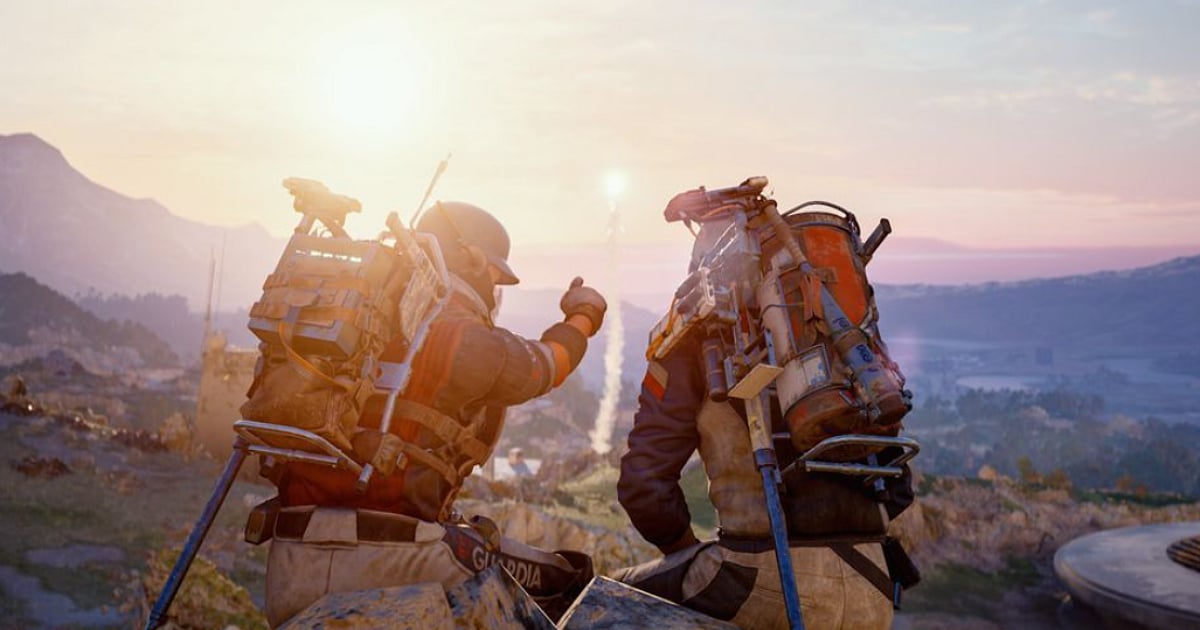
Some games, like Arc Raiders, are also dialing back on their AI usage. The game recently decided to remove all AI voicelines, and it will be using human voices hereon. This is not a one-off incident either. Most developers are against the use of AI tools in creative processes. According to a survey conducted at the Game Developer Conference 2026, over 50% of developers think that generative AI is harmful for the industry.
Resistance to AI in gaming extends beyond technical limitations. Players and developers have grown cautious about how AI is used in creative fields. The rise of low-quality generated content has reinforced this skepticism.
Many players now associate AI with inconsistency and lack of polish. The term “AI slop” reflects frustration with outputs that feel generic or unfinished. This perception affects how new tools are received.
The Role of Developers is Becoming More Important
As tools evolve, the role of developers becomes more defined. Teams now focus more on direction, integration, and refinement. AI can assist with execution, but it still requires guidance. Developers act as decision makers. They determine how systems interact, how stories unfold, and how players engage with the game. This responsibility increases as tools become more complex.
The DLSS 5 controversy reinforces why developers remain essential to the creative process, even as AI tools become more advanced. NVIDIA’s neural rendering can directly influence a game’s final visuals in real time, enhancing lighting, materials, and detail. However, early demos showed noticeable changes to character faces, textures, and overall tone, which led to backlash from players and creators. Many argued that these changes go beyond technical improvement and start to interfere with the original artistic direction.
This debate highlights the importance of developer control. While AI can assist and enhance, it cannot decide how a game should look or feel. Developers must define how much influence these systems have, ensure consistency with the intended art style, and maintain the overall identity of the game. In practice, this means AI remains a tool within the pipeline, while developers retain full responsibility for the final creative outcome.
The Future of Game Careers Will Be Defined by Adaptation
Game careers are shifting alongside the tools developers use every day. As workflows evolve, the demand is increasingly leaning toward developers who can balance creative thinking with AI-related skillsets. Knowing how to design systems, shape player experience, and also work efficiently with emerging tools is becoming a key part of the role, rather than something optional.
At the same time, the industry still revolves around originality and player connection. These are not things that can be automated or generated on demand. They come from intent, experience, and a clear understanding of what makes a game engaging. AI can support parts of this process, helping teams move faster or test ideas more efficiently, but it does not replace the thinking behind those decisions.
What is more likely is a hybrid approach, where developers use AI to handle production-heavy tasks while staying fully in control of creative direction. This kind of balance allows studios to improve efficiency without losing the identity that makes their games stand out. It also ensures that technology serves the project, rather than shaping it on its own.
Game development has always adapted to new tools, whether it was new engines, better hardware, or online infrastructure. Artificial intelligence is simply the next step in that progression. The foundation, however, remains unchanged. Games are still built on human choices, and players continue to respond to the ideas, risks, and creativity behind those decisions.

Author
Abhimannu Das is a web journalist at Outlook India with a focus on Indian pop culture, gaming, and esports. He has over 10 years of journalistic experience and over 3,500 articles that include industry deep dives, interviews, and SEO content. He has worked on a myriad of games and their ecosystems, including Valorant, Overwatch, and Apex Legends.
Abhimannu Das is a web journalist at Outlook India with a focus on Indian pop culture, gaming, and esports. He has over 10 years of journalistic experience and over 3,500 articles that include industry deep dives, interviews, and SEO content. He has worked on a myriad of games and their ecosystems, including Valorant, Overwatch, and Apex Legends.



Related Articles